



Kutai National Park Uses High-Tech Tools to Save 324 Species
- 12 Jun 2026 09:29 WIB
- Voice of Indonesia
Key Points
- Kutai National Park (TNK) in East Kalimantan officially protects 324 recorded fauna species, which includes 90 mammal species, 196 butterfly species, and 38 unique cave fauna species.
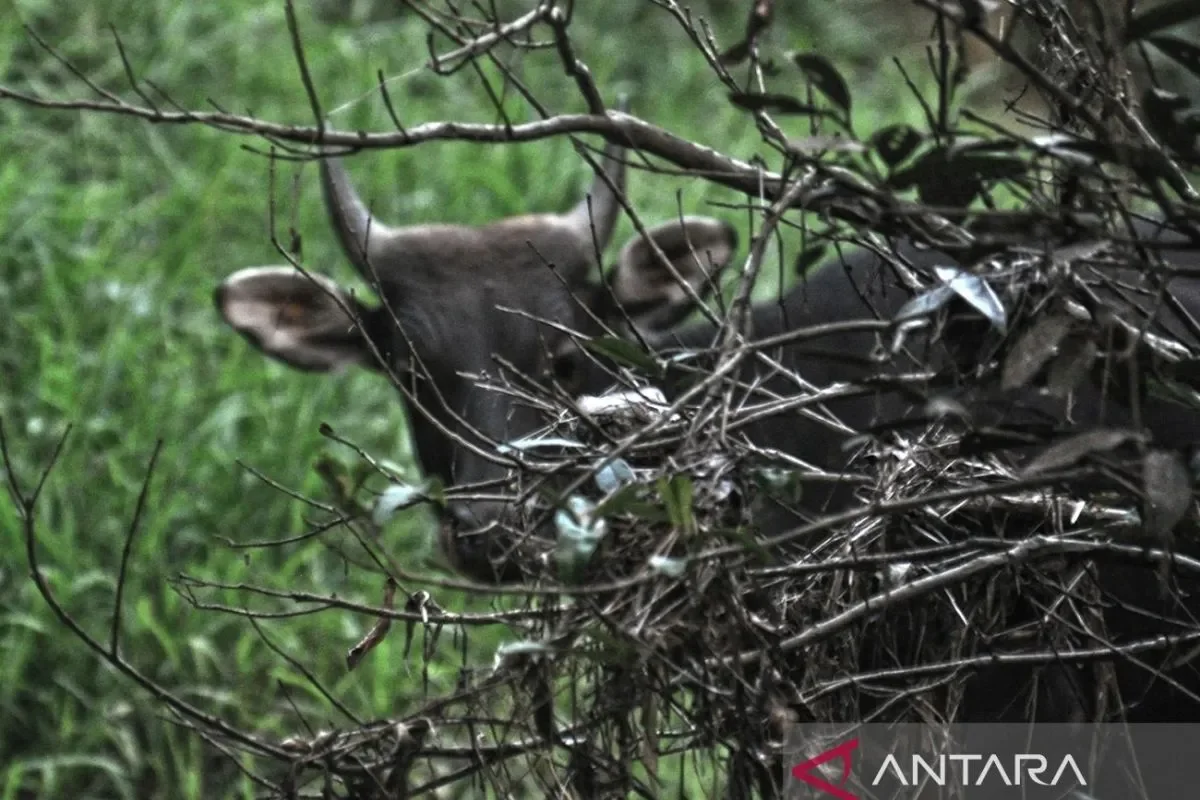
- High-priority conservation efforts are explicitly directed toward saving three endangered endemic species: the northeastern Borneo orangutan, the proboscis monkey (bekantan), and the Bornean banteng.
RRI.CO.ID, Samarinda - Kutai National Park in East Kalimantan is strengthening its role as a conservation stronghold to protect 324 recorded animal species, park officials said. To achieve this, they are adopting modern monitoring tools and deepening partnerships with conservation groups to counter growing pressures on wildlife habitats.
"We have recorded fauna diversity in Kutai National Park totaling 324 species, consisting of 90 mammal species, 196 butterfly species, and 38 cave fauna species," said Head of the Kutai National Park Center, Syaiful Bahri, in Samarinda on Thursday, June 11, 2026.
The park prioritizes the protection of three endangered endemic species, which is the northeastern Borneo orangutan (Pongo pygmaeus morio), the proboscis monkey or bekantan (Nasalis larvatus), and the Bornean banteng (Bos javanicus lowi). To improve surveillance and reduce risks to those populations, managers have introduced thermal drones and camera traps across the reserve.
"Although it takes up to three months for animals to become accustomed and start being recorded, those camera-trap instruments are very helpful in rediscovering rare animals. For example, the tool managed to detect a leopard cat type known as the clouded leopard that was previously thought to be gone," said Syaiful, as quoted by Antara.
He added that monitoring lenses have also captured movements of the Bornean trogon and confirmed the presence of the great argus pheasant previously sighted in Rantau Pulung Subdistrict, East Kutai Regency.
Recognizing the complexities of on-the-ground conservation, the park authority has forged cooperation with non-governmental organizations. One such partnership is with the Samboja-based Jejak Pulang Foundation to bolster orangutan conservation measures.
"The main focus of that collaboration now is conducting studies on the habitat suitability in the park forest as potential release sites for orangutans ready to be returned to the wild," explained Syaiful.
Further steps include partnering with the Indonesian Orangutan Foundation (Yayorin) for support in safeguarding the remaining population of Bornean banteng within the park.
Park managers stress that such conservation efforts require local community awareness and participation, given the park’s wide coverage from Bontang City through Kutai Kartanegara Regency to East Kutai Regency.
"Community involvement is realized through developing niche tourism that works with tourism awareness groups. This aims to make residents the frontline protectors of the forest while boosting local economies through Social Forestry programs," said Syaiful.
Kutai National Park covers 193,753.42 hectares and includes seven ecosystem types. Dipterocarp forest dominates the area, spanning 145,745.46 hectares. ***
Source: https://www.antaranews.com/berita/5604401/taman-nasional-kutai-jadi-wadah-pelestarian-324-fauna
News Recomendation
Loading latest news.....