



Indonesian Youth Generate IDR 1.08T from Eco-Friendly Innovations
- 20 Mei 2026 16:30 WIB
- Voice of Indonesia
Key Points
- Non-timber forest products (such as honey, coffee, bamboo, rattan, and spices) managed by young Indonesian eco-entrepreneurs have generated IDR 1.08 trillion (USD 61.15 million) since 2023.
- This achievement was highlighted at a Ministry of Forestry exhibition alongside the premiere of the documentary film Merawat Esok on May 20, 2026.
- The Ministry of Forestry emphasizes that university students and young mobilizers are becoming pioneers in sustainable social forestry, utilizing forest resources effectively without cutting down trees.
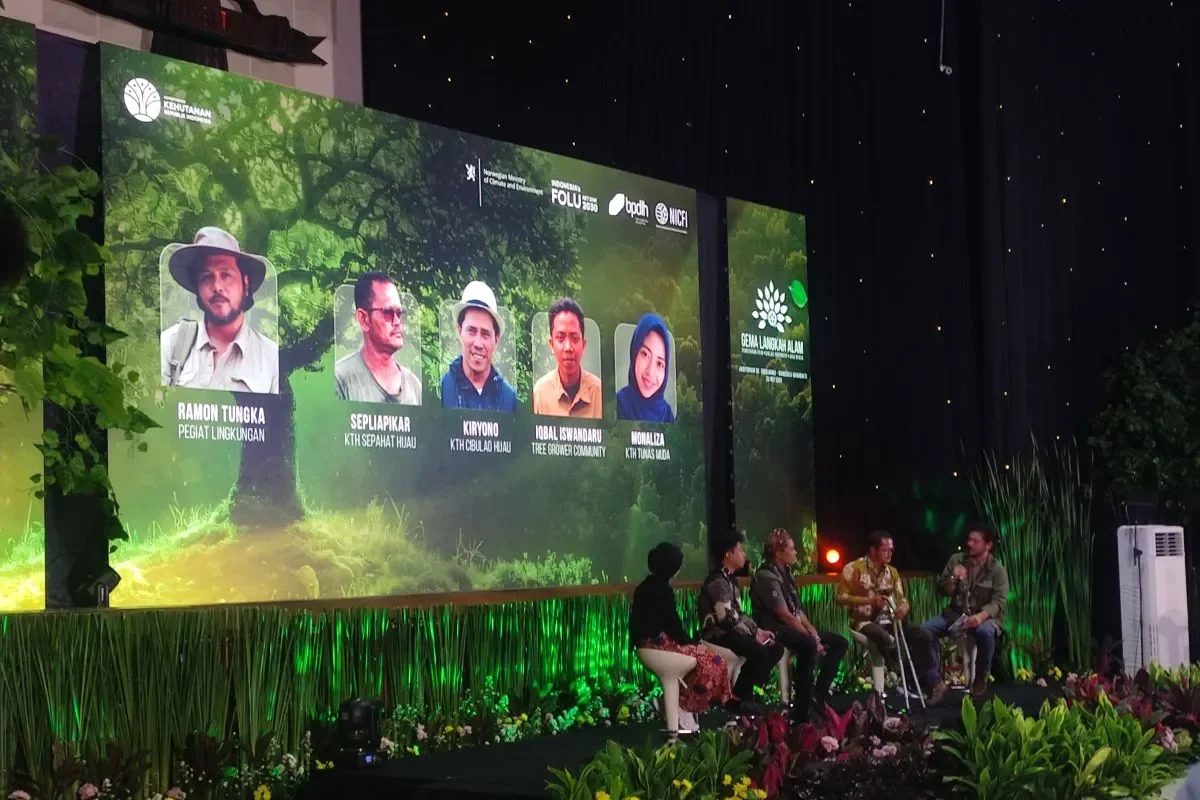
RRI.CO.ID, Jakarta - Indonesia's youth are proving that environmental conservation can be a highly lucrative venture, as non-timber forest products managed by young eco-entrepreneurs have generated a staggering IDR 1.08 trillion (USD 61.15 million) since 2023. This economic milestone took center stage at the Ministry of Forestry's exhibition on Wednesday, May 20, 2026, held alongside the premiere of the documentary film Merawat Esok (Caring for Tomorrow).
The event highlighted a shift toward a green economy, where the younger generation is leading the charge in turning sustainable forest management into a major revenue driver while combating climate change.
Speaking after the film launch, Head of the Extension and Human Resources Development Agency (BP2SDM) at the Ministry of Forestry, Indra Exploitasia Semiawan, emphasized that high-value commodities like honey and coffee were developed under the guidance of the Center for Forest Conservation Generation Development. He noted that these products demonstrate the vast potential of Indonesia's social forestry.
The initiative allows university students and young mobilizers to utilize forest resources effectively without cutting down trees, turning them into pioneers of the green economy.
"The stride made by the younger generation is quite significant. In addition to watching an inspiring film, friends can see booths showcasing the innovative works of these young people, including honey and coffee. This proves they are capable of nurturing nature while utilizing it sustainably," said Indra, as quoted by Antara.
Ministry data reveals that the multi-trillion-rupiah revenue from the social forestry program has been predominantly driven by non-timber forest products, including bamboo, rattan, honey, spices, and environmental services. This tangible economic impact has garnered international attention, drawing praise from global partners who see it as a viable blueprint for climate action.
Among those impressed was Norwegian Ambassador to Indonesia, Rut Krüger Giverin, who toured the exhibition to witness these eco-innovations firsthand. She lauded the creativity of Indonesia’s youth in implementing nature-based solutions and agroforestry systems to tackle global climate challenges.
"It is very inspiring to be here and see the role of young people in creating innovative solutions through agroforestry. I have had many interesting conversations with students who produce honey, delicious coffee, and various other innovative products," said the Norwegian Ambassador.
According to him, these efforts reflect the readiness of the younger generation to address global climate change through practical actions that simultaneously uplift the economy of communities living near forests.
She expressed hope that the exhibition would spark a nationwide wave of environmental entrepreneurship among youth, ultimately supporting Indonesia’s ambitious climate targets.
This grassroots movement aligns closely with Indonesia’s Forestry and Other Land Uses (FOLU) Net Sink 2030 targets, which aim to drastically reduce greenhouse gas emissions in the forestry and land sectors. To help achieve this, Norway has committed substantial international backing, providing a result-based contribution of USD 216 million to support Indonesia's green initiatives.
The funding serves as crucial capital for the FOLU Net Sink program, which strives to slash projected emissions from 2.8 billion tons of CO2 equivalent down to 1.2 billion tons by 2030.
Indonesia's core strategy to meet this target rests on massive tree-planting campaigns to boost carbon sequestration and strict preservation of national parks and protected forests as carbon stocks. Additionally, the strategy includes the vital protection of peatlands, which hold an emission risk 20 times higher than regular soil. ***
Source: https://www.antaranews.com/berita/5574537/kemenhut-pamerkan-produk-inovasi-ramah-lingkungan-karya-generasi-muda
News Recomendation
Loading latest news.....