



East Kalimantan Tightens Waste Permits to Protect River Ecosystems
- 10 Mei 2026 12:36 WIB
- Voice of Indonesia
Key Points
- East Kalimantan’s Environmental Agency has tightened technical wastewater discharge permit evaluations to prevent industrial pollution in river ecosystems.
- The stricter process includes detailed reviews of treatment systems, discharge points, monitoring methods, and spatial planning compliance.
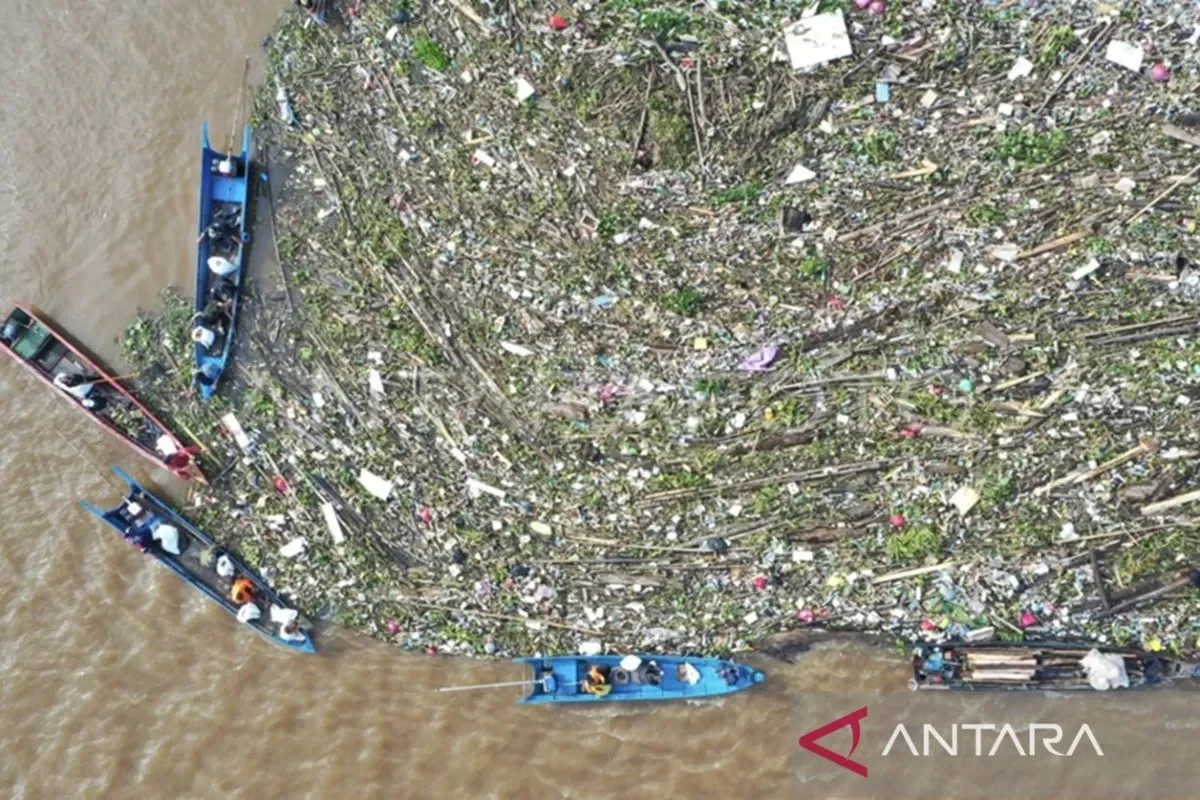
RRI.CO.ID, Samarinda - The East Kalimantan Environmental Agency (DLH) has announced a more stringent evaluation process for technical wastewater discharge permits, aiming to safeguard the province's vital river ecosystems from industrial pollution.
The move reflects a growing provincial commitment to ensuring that rapid economic growth does not come at the expense of environmental sustainability. Head of the Pollution Control and Environmental Damage Division at DLH East Kalimantan, Doni Fahroni, emphasized that river protection is a non-negotiable priority for the region.
“Rivers are the source of life, so every wastewater discharge activity must be strictly controlled and meet quality standards to avoid damaging the environment or negatively impacting public healtht,” Fahroni said in Samarinda on Sunday, May 10, 2026, as quoted by Antara.
The agency is shifting its focus from mere administrative compliance to comprehensive technical scrutiny. According to Fahroni, the evaluation of permit documents is a crucial stage to ensure that corporations are operationally ready to manage their waste effectively.
The detailed review process currently covers several critical technical areas to ensure environmental safety. This includes infrastructure design, where authorities scrutinize the blueprints of production residue treatment systems to verify their reliability.
The agency also focuses on effluent quality prediction, assessing the projected quality of the water before it is discharged, and point of discharge analysis to strategically determine the exact locations where treated water enters river bodies. Finally, the process involves developing monitoring methods by formulating periodic environmental protocols to ensure ongoing compliance with safety standards.
In addition to chemical and biological standards, DLH Kaltim is highlighting the importance of spatial mapping. The provincial administration now requires all spatial plans within permit applications to be consistently drafted according to strict cartographic guidelines.
Fahroni noted that by intervening during the licensing and planning phases, the environmental agency aims to minimize the risk of aquatic disasters caused by operational negligence. This proactive approach is intended to protect local flora, fauna, and the livelihoods of residents who depend on the rivers.
DLH East Kalimantan remains committed to ensuring that industrial activities operate in harmony with the principles of sustainable development, striking a balance between economic interests and ecological preservation. ***
News Recomendation
Loading latest news.....