



Two Sumatran Tiger Cubs Born to Snare-Survivor Parents in Lampung
- 04 Mei 2026 16:40 WIB
- Voice of Indonesia
Key Points
- The birth of two Sumatran tiger cubs at the Lembah Hijau Conservation Institution marks the first successful breeding of the species outside their natural habitat in Lampung Province.
- The cubs were born to Kyai Batua and Sinta, both of whom are permanent amputees and survivors of illegal poacher snares in West Lampung and Bengkulu.
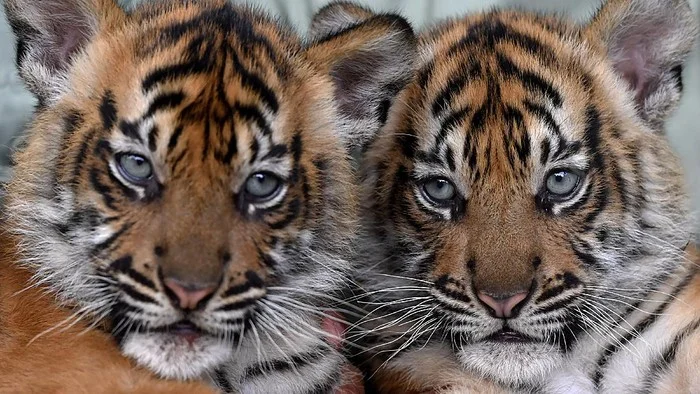
RRI.CO.ID, Bandarlampung - Two Sumatran tiger (Panthera tigris sumatrae) cubs have been born to a pair of survivors, both of whom suffered permanent disabilities from illegal poacher snares. The birth, which occurred at the Lembah Hijau Conservation Institution in Lampung, marks the first successful ex-situ breeding of the critically endangered species within the province.
The cubs were born on February 14, 2026, though the news was officially shared by the institution on Monday, May 4, 2026. Their arrival is being hailed as a symbol of hope, proving that physical trauma from human-wildlife conflict does not necessarily end a protected species' ability to contribute to its global population.
"This birth holds a very deep meaning for us. These two cubs were born to a pair of parents, Kyai Batua and Sinta, both of whom were victims of poacher snares and live with permanent physical disabilities," said M. Irwan Nasution, Commissioner of LK Lembah Hijau Lampung, as quoted by Antara.
The male parent, Kyai Batua, was rescued by the Bengkulu-Lampung Natural Resources Conservation Center (BKSDA) in July 2019 after being found ensnared in West Lampung.
"Due to the severity of the wounds, the medical team had to perform an amputation on his front right leg to save his life," Irwan noted.
Similarly, the female tiger, Sinta, lost her back right leg to a snare in Bengkulu in late 2024 before being transferred to Lembah Hijau for specialized rehabilitation.
The successful breeding is part of a strategic national program led by the Ministry of Forestry through the Global Species Management Plan (GSMP) and the Indonesian Zoo and Aquarium Association (PKBSI). By following controlled breeding recommendations and identifying the tigers via their specific Studbook IDs, which are SB 1886 for Kyai Batua and SB 1998 for Sinta, the institution ensured the genetic integrity of the offspring.
"This success proves that physical limitations caused by conflict with humans do not prevent animals from contributing to the sustainability of their species if managed with high conservation standards," Irwan added.
The management credited this milestone to a collective collaboration involving field rescue teams, veterinarians, the Bukit Barisan Selatan National Park (TNBBS) Authority, and the BKSDA Bengkulu-Lampung. To ensure the family’s well-being, the institution has designed specialized enclosures that mimic natural habitats to support the cubs' optimal growth.
Beyond increasing the population of the critically endangered endemic cat, the birth serves as a powerful educational tool regarding the lethal dangers of forest snares. "We are grateful for the trust placed in us by the administration. Moving forward, we are committed to supporting wildlife preservation plans and safeguarding the genetic reserves of the Sumatran tiger to prevent extinction," Irwan concluded. ***
News Recomendation
Loading latest news.....