



Centella Asiatica: Miracle Herb for Wound Healing, Skincare, and Memory Enhancement
- 20 Jul 2026 17:01 WIB
- Voice of Indonesia
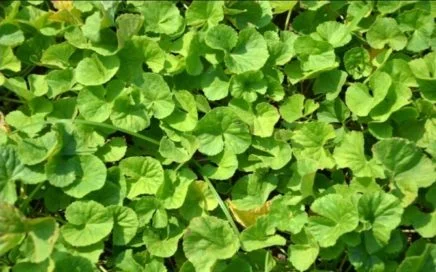
RRI.CO.ID, Jakarta - The popularity of gotu kola, or centella asiatica, has skyrocketed in recent years as a leading active ingredient in the skincare and wellness industry. This Asian climbing plant has been clinically proven to accelerate wound healing, reduce skin inflammation, and even improve cognitive function, thanks to its four main bioactive compounds: asiaticoside, madecassoside, asiatic acid, and madecasic acid.
Currently, gotu kola extract has been formulated into various dosage forms, from facial serums and moisturizing creams to wound ointments and capsule supplements. According to a study published in the journal Evidence-Based Complementary and Alternative Medicine, the combination of these four active compounds in this plant has been shown to increase the activity of the body's natural antioxidant enzymes, making it one of the herbs with the broadest range of pharmacological benefits.
The most widely recognized benefit is its ability to accelerate wound healing and reduce the appearance of acne scars. The triterpenoid content in gotu kola works by increasing blood flow to the wound area and encouraging the formation of fibroblast cells, so the wound healing process occurs more quickly with minimal scarring.
Besides being used for wound healing, gotu kola is also known as a natural anti-aging ingredient because it can stimulate collagen production while inhibiting the action of the enzymes elastase and hyaluronidase, two enzymes that are often the culprits of sagging skin and the appearance of fine lines with age. For those with sensitive skin, eczema, or rosacea, the madecassoside content in gotu kola has also been shown to be effective in reducing redness and itching without the risk of skin thinning associated with corticosteroid creams.
In addition to its topical benefits, oral consumption of gotu kola extract is also said to improve blood circulation to the brain. Several studies, including one published in the Journal of Ethnopharmacology, demonstrate the extract's potential in improving working memory and aiding cognitive recovery in the elderly after a stroke. Gotu kola is also known as an adaptogen that can reduce anxiety through its effect on GABA receptors in the brain, as well as helping to treat chronic venous insufficiency such as varicose veins and swollen legs.
Although considered a natural ingredient, pegagan still requires careful attention to dosage and duration. Topical use is generally safe for most people, though a patch test is recommended first to avoid allergic reactions on sensitive skin. Meanwhile, oral consumption in high doses for more than six consecutive weeks without a break can potentially overload the liver.
Certain groups are advised to avoid oral pegagan consumption, including pregnant and breastfeeding women, people with chronic liver disease, patients undergoing surgery within the next two weeks because its sedative effects can interact with anesthetics, and people taking tranquilizers or antidepressants due to the risk of excessive drowsiness.
Historically, pegagan has long been known in Indian Ayurvedic medicine and Traditional Chinese Medicine as a brain tonic and blood circulation enhancer. Its nickname, tiger grass, is said to originate from the habit of wild tigers rolling on this plant to heal wounds after fighting—a local wisdom now proven true through various modern clinical trials.
News Recomendation
Loading latest news.....