



South Jakarta Introduces Jumbo Biopores to Tackle Organic Waste
- 30 Apr 2026 16:32 WIB
- Voice of Indonesia
Key Points
- The South Jakarta Environmental Sub-agency has introduced jumbo biopores and modern teba to handle organic waste more efficiently and sustainably within urban areas.
- An evolution of conventional biopores, this method uses 30-liter perforated containers buried underground to accommodate larger volumes of kitchen scraps and dry leaves.
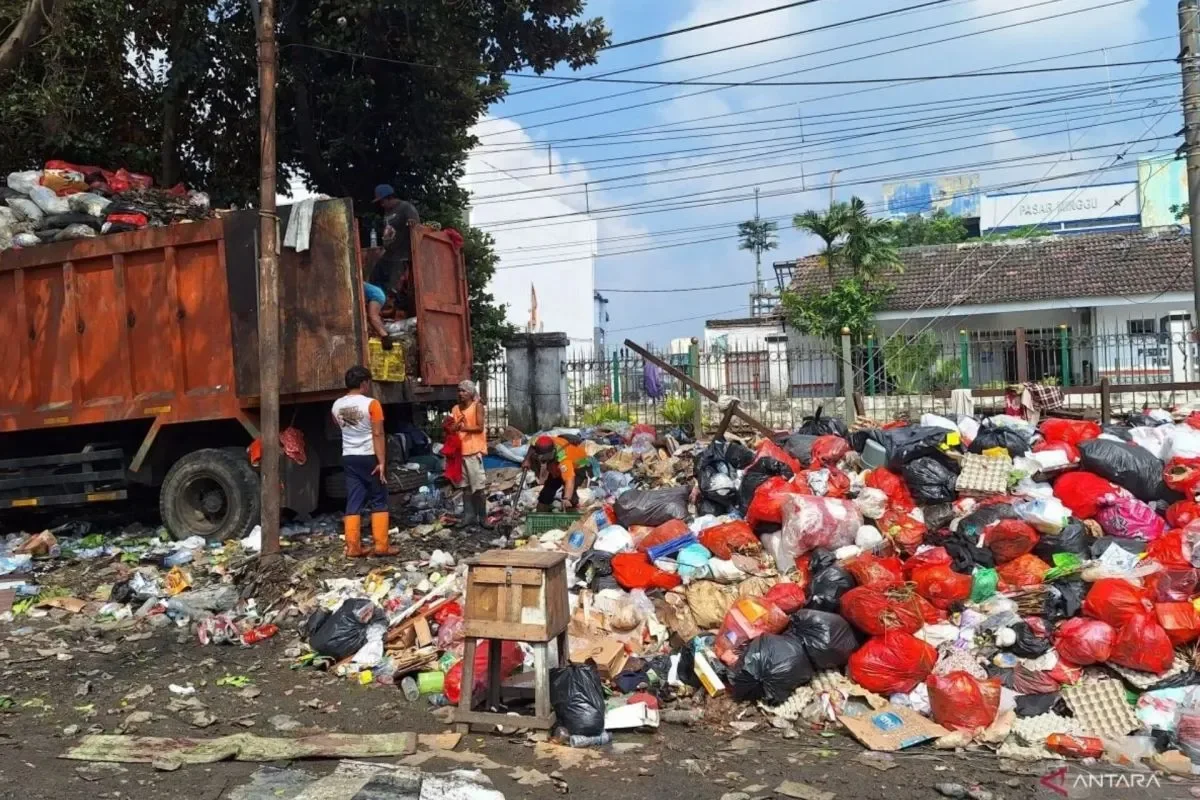
RRI.CO.ID, Jakarta - The South Jakarta Environmental Sub-agency is intensifying its efforts to divert organic waste from landfills by introducing high-capacity composting methods designed for urban efficiency.
By leveraging innovative techniques like jumbo biopores and modern teba, the administration aims to localize waste management and reduce the significant logistical burden on the Bantar Gebang Integrated Waste Treatment Site (TPST).
This strategic shift focuses on processing organic materials directly at the source. "We have developed various organic waste management innovations, including the jumbo biopore and modern teba methods," said Head of the South Jakarta Environmental Sub-agency, Dedy Setiono, in Jakarta on Thursday, April 30, 2026.
These methods are positioned as critical solutions for handling kitchen waste and foliage that typically dominate local waste streams. The jumbo biopore technique scales up conventional absorption holes by utilizing 30-liter perforated plastic containers buried underground.
Meanwhile, modern teba is a method of independent organic waste management based on local wisdom, consisting of a composting pit resembling a well, two to three meters deep, reinforced with concrete and equipped with a cover
"This method is an evolution of the conventional biopore, offering a much larger capacity to accommodate kitchen scraps and dry leaves," explained Dedy, as quoted by Antara.
Dedy noted that several areas across South Jakarta have already begun implementing these systems. The goal is to foster a culture of independence in waste management that can be replicated throughout the province.
To support this transition, he urged residents to adopt new habits at home. He encouraged citizens to begin sorting waste from the dining table as a practical step toward a zero-organic-waste South Jakarta, specifically targeting food waste and kitchen leftovers.
"We have directed all district-level officials to educate the public about these innovations. The objective is for organic waste to be processed into something useful, and perhaps even gain economic value," remarked Dedy.
By transforming waste into compost or other beneficial byproducts, the city hopes to turn an environmental challenge into a sustainable community asset. ***
News Recomendation
Loading latest news.....