



Illegal Palm Oil Cleared to Save North Sumatra’s Mangrove Sanctuaries
- 05 Apr 2026 09:24 WIB
- Voice of Indonesia
Key Points
- The government cleared 102 hectares of illegal palm oil plantations in the Karang Gading Wildlife Reserve to restore mangroves and protect the coast.
- The clearing involved the community and international support.
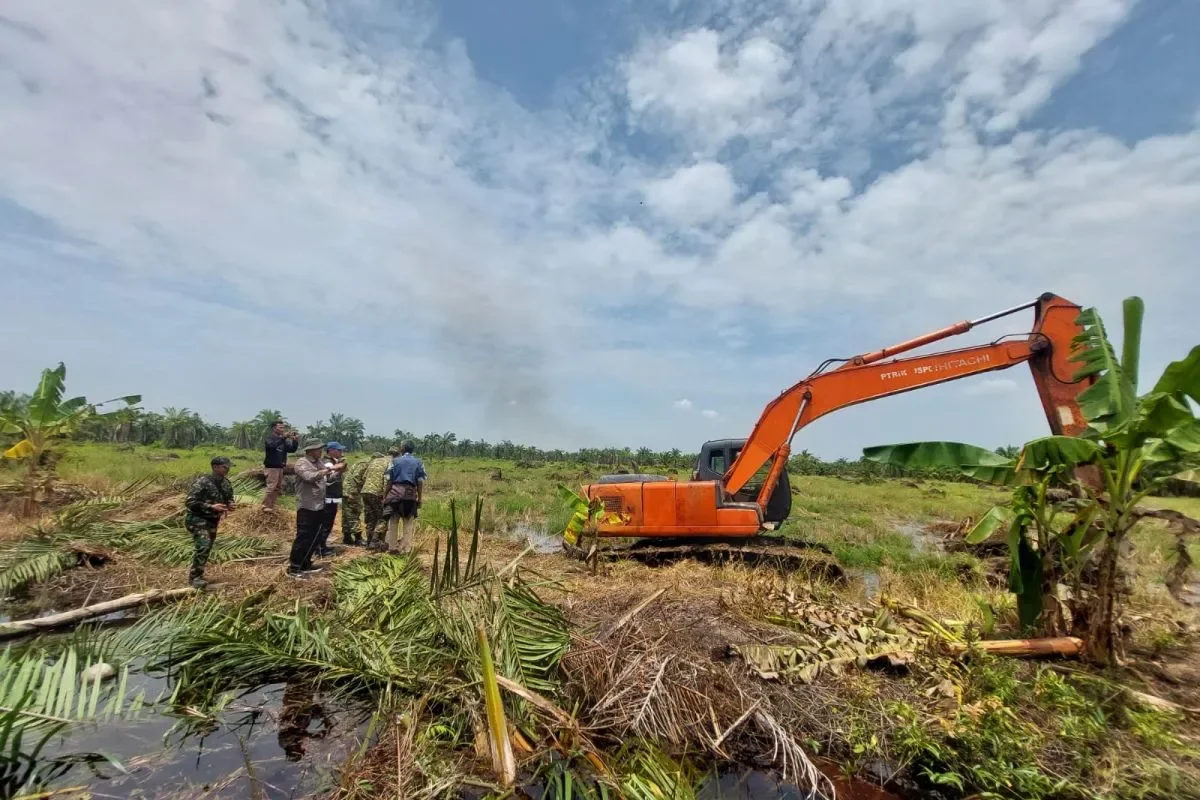
RRI.CO.ID, Jakarta - The Indonesian government has launched a major crackdown on illegal oil palm plantations encroaching upon the Karang Gading and Langkat Timur Laut Wildlife Reserves in North Sumatra. The operation signals a shift toward aggressive ecological restoration, prioritizing the recovery of vital mangrove biomes over unauthorized commercial interests.
The enforcement action, which commenced Thursday, April 2, 2026, aims to purge 102 hectares of illegal palm oil crops. This is the first phase of a broader strategic initiative to restore 389 hectares of mangrove ecosystems throughout 2025–2026. By removing the thirsty palm trees, officials hope to return the tidal balance necessary for coastal flora to thrive.
Director of Forest Crime Enforcement at the Ministry of Foresstry, Rudianto Saragih Napitu framed the operation as a non-negotiable assertion of state authority over conservation areas.
“We are not only taking firm action against illegal land occupation but also ensuring that the ecosystem recovery process goes hand-in-hand with community economic empowerment,” Rudianto said, as quoted by Infopublik.id, on April 4, 2026.
The restoration is not a solo effort by the Ministry of Forestry. It is backed by the Mangrove for Coastal Resilience (M4CR) program and international cooperation with the German Development Bank (KfW). To ensure the land is not re-occupied, the government has enlisted 14 local Forest Farmer Groups (KTH) as "guardians" of the newly cleared zones.
Commander of the Garuda Forest Area Discipline Task Force (PKH), Major General Dody Triwinarto, highlighted that local residents are now being treated as partners rather than bystanders.
“The presence of farmer groups proves that the community is a strategic partner in guarding the forest. We will continue to oversee the recovery process until the mangrove functions are optimized,” he said.
Ecologically, these wildlife reserves are critical biodiversity hotspots, acting as a natural shield against coastal erosion and a massive carbon sink. Director of Area Conservation at the Directorate General of KSDAE, Sapto Aji Prabowo emphasized that the removal of invasive palm trees is the only way to heal the landscape.
“Ecosystem restoration through the clearing of illegal crops is an essential step to return the area's original function as a life-support system, carbon absorber, and coastal protector,” Sapto explained.
This multi-agency synergy between law enforcement, local administration, and international donors aims to create a sustainable model where environmental law isn't just about punishment, but about returning the land to its natural, protective state. ***
News Recomendation
Loading latest news.....