



New Orchid Species Discovered on Mount Semeru’s Southern Slopes
- 27 Mar 2026 12:30 WIB
- Voice of Indonesia
Key Points
- The TNBTS Center in East Java has officially identified two new orchid species discovered on the southern slopes of Mount Semeru: Gastrodia selabintanensis and Gastrodia biruensis.
- Both species thrive in similar habitats, shady areas with thick humus and high humidity—at elevations ranging from 1,000 to 1,200 meters above sea level.
- The TNBTS now boasts a total of 309 orchid species.
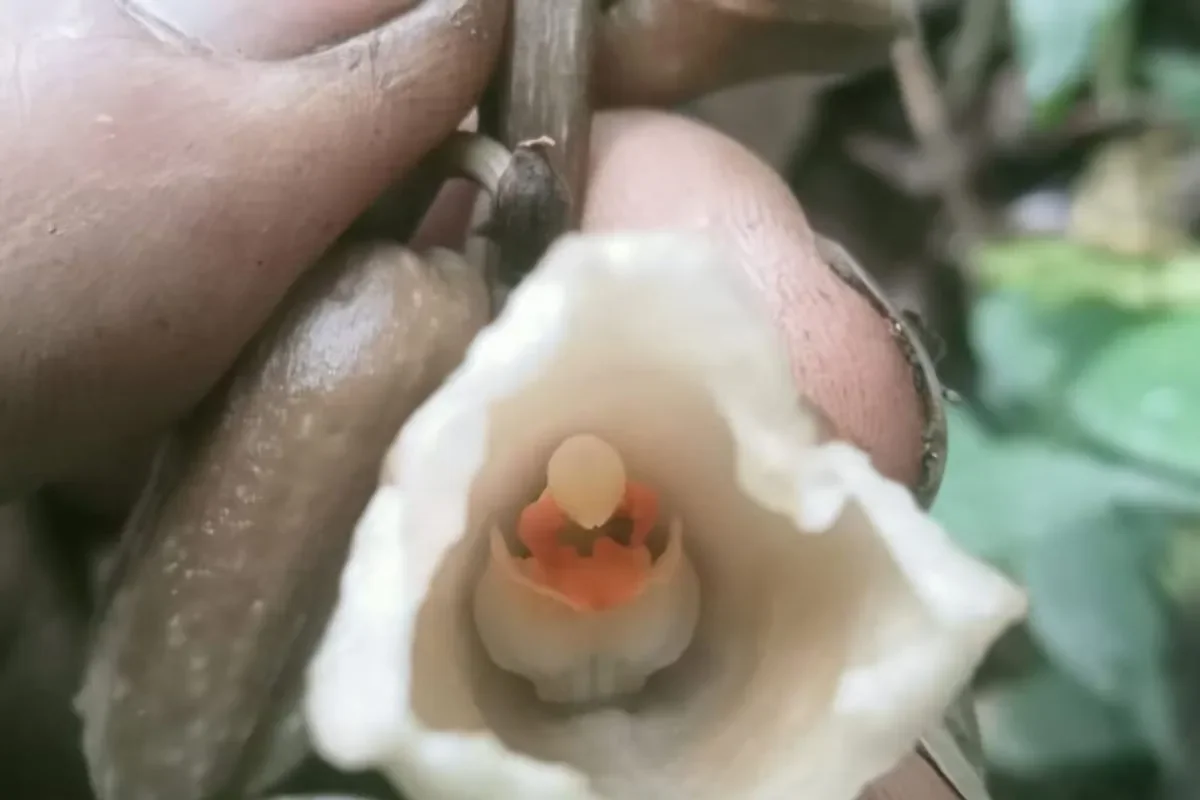
RRI.CO.ID, Malang - The Bromo Tengger Semeru National Park (TNBTS) Center in East Java has officially identified two new orchid species discovered on the southern slopes of Mount Semeru: Gastrodia selabintanensis and Gastrodia biruensis.
The discovery, made in early January 2026, adds to the rich biodiversity of the national park, which now boasts a total of 309 orchid species. Toni Artaka, Coordinator of Forest Ecosystem Control for TNBTS, announced on Friday, March 27, 2026, that the species were found by officers during routine patrols and biodiversity identification tasks.
"Both are new records or findings in TNBTS that have never been recorded before," Toni said in Malang, as quoted by Antara.
Both species thrive in similar habitats, shady areas with thick humus and high humidity—at elevations ranging from 1,000 to 1,200 meters above sea level (mdpI). Despite sharing a habitat, these two orchid species possess distinct physical traits that set them apart.
The Gastrodia selabintanensis features inflorescences, or flower clusters, that range from 15 to 25 cm in length and typically support two to four blossoms. Its sepals are characterized by a brownish-green color with a rough, warty texture, while the petals themselves display a mix of off-white and yellow hues.
In contrast, the Gastrodia biruensis boasts longer inflorescences of 18 to 32 cm and produces three to five blossoms per cluster. This species is distinguished by its smooth, yellowish-brown sepals and petals that display vibrant white and orange colors.
A significant characteristic of these orchids is that they are mycoheterotrophic. This means they do not perform photosynthesis; instead, they obtain nutrients through a symbiotic relationship with fungi.
"These two types... are highly dependent on their habitat and it is difficult to develop breeding outside their natural habitat," Toni explained.
Because they are so specialized, conservation efforts must focus on protecting their exact environment rather than attempting to grow them in nurseries.
While the Bromo Tengger Semeru National Park (TNBTS) has not yet assigned local names to these new species, it is already prioritizing their long-term survival through a series of strategic initiatives.
Moving forward, the park management plans to map population distribution by identifying other potential locations for these orchids during future flowering seasons. This effort will be paired with enhanced habitat protection, as officials look to strengthen conservation measures within the southern Semeru region.
Such protections are vital to ensuring the delicate ecological balance required for these mycoheterotrophic plants remains undisturbed, especially since they cannot survive outside their specific natural environment.
This discovery underscores Mount Semeru’s status as a vital sanctuary for rare flora and highlights the importance of continuous ecological monitoring in Indonesia’s national parks. ***
News Recomendation
Loading latest news.....