



Government Engages Campuses and Industry in Waste-to-Energy Development
- 25 Feb 2026 15:56 WIB
- Voice of Indonesia
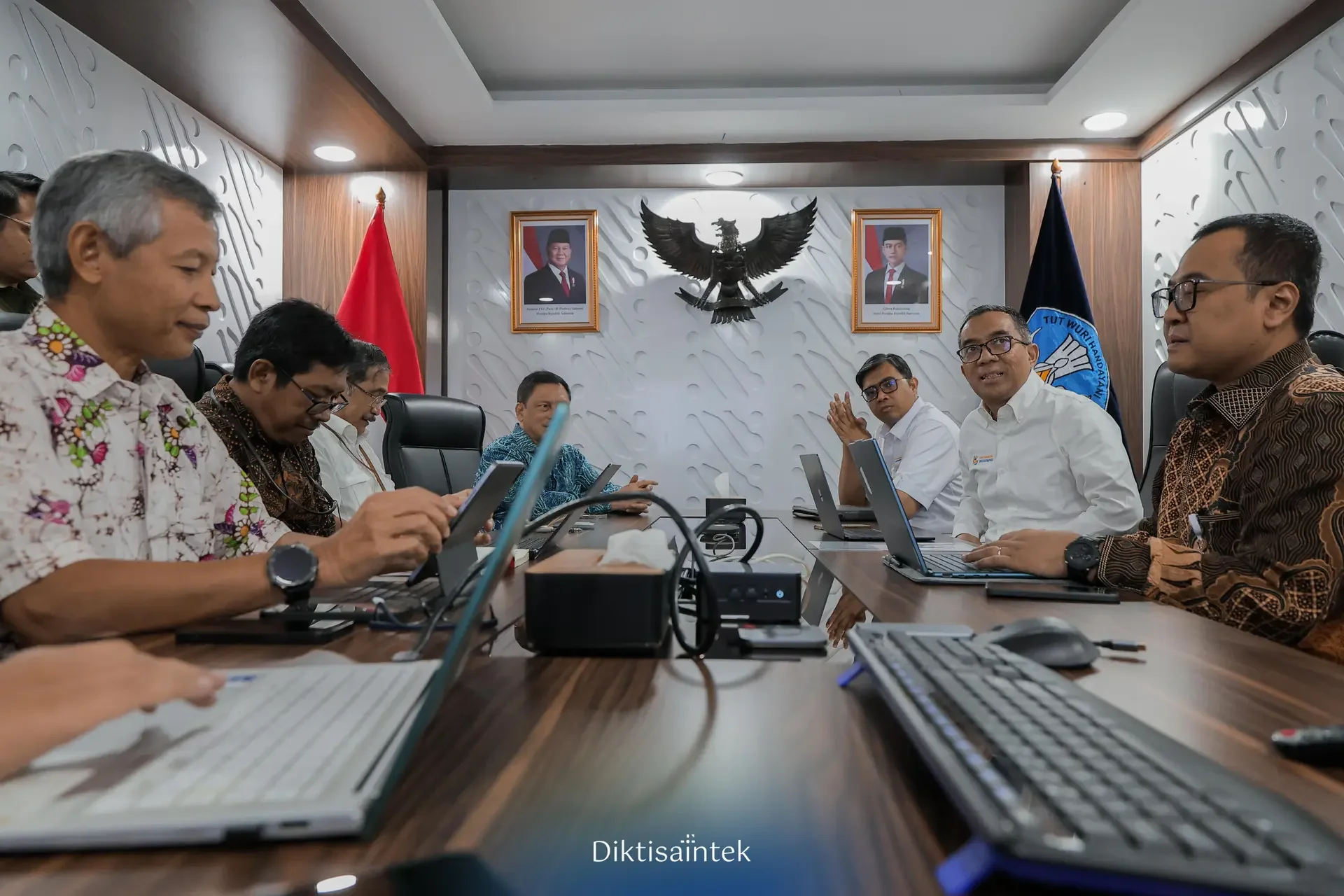
RRI.CO.ID, Jakarta – The Ministry of Higher Education, Science, and Technology is strengthening its strategic approach by encouraging the development of Waste-to-Energy Power Plants based on research and cross-sector collaboration. It is because the increasingly pressing waste emergency in several major cities in Indonesia.
Through synergy between universities and industry, the government emphasizes that future waste management solutions must be based on science, technology, and models. Those must be economically and environmentally sustainable.
Based on a press release received by RRI Voice of Indonesia on Tuesday, 24 February 2026, the Minister of Higher Education, Science, and Technology, Brian Yuliarto, emphasized the importance of a science-based approach and comprehensive technical studies. It is expected that the resulting solutions are not only technically effective but also economically and environmentally sustainable.
"What's important to us is how the design is based on clear and measurable calculations, both in terms of capacity, cost, and sustainability," Minister Brian stated.
The Ministry viewed strengthening the role of universities and research institutions as key to formulating an integrated waste management model, including a combination of micro-scale processing at the community level and larger, centralized facilities. This approach is considered to minimize waste mobility, increase the stability of Refuse Derived Fuel (RDF), and strengthen quality control and environmental impact aspects.
Regarding this integrated processing system, data shows that approximately 55 percent of waste generated is organic. Initial processing, both at the household and community level, is considered strategic for reducing the burden of transportation and storage at the final facility.
This model opens up opportunities for universities to contribute by developing data-based calculations regarding ideal capacity, regional typology, and logistics efficiency. Therefore, the system design can be tailored to the characteristics of each region.
News Recomendation
Loading latest news.....