



Hanjeli Seeds: Ancient Grain for Global Food Resilience
- 30 Sep 2026 16:24 WIB
- Voice of Indonesia
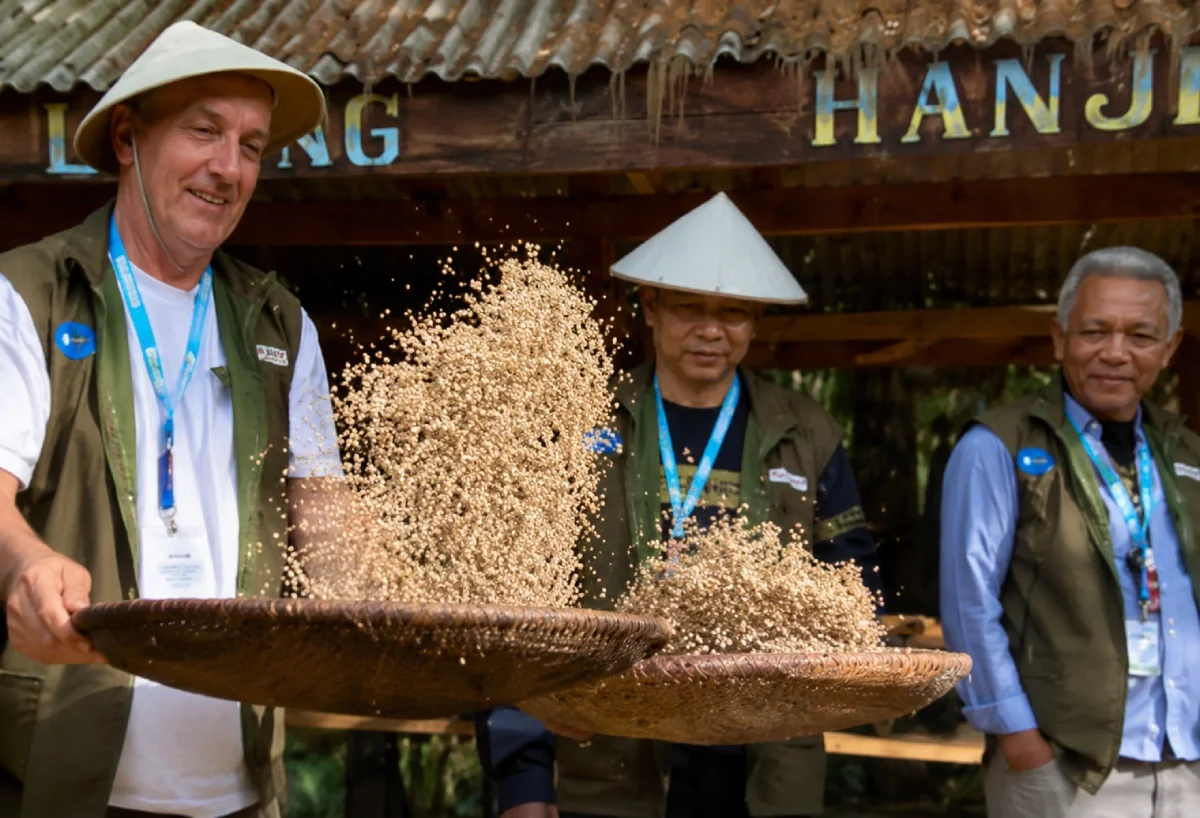
RRI.CO.ID, Jakarta - As the world grapples with the pressures of climate change and shrinking agricultural diversity, renewed attention is turning toward a resilient tropical grain long overlooked by modern food systems. Known in parts of Southeast Asia as hanjeli, this ancient crop is now being recognized for qualities that could make it a valuable answer to future food security challenges.
Based on information from the Ministry of Tourism, Hanjeli belongs to a family of grains that has been cultivated for centuries in tropical and subtropical climates, valued not only as a dietary staple but also for its use in traditional medicine. Rich in nutrients and naturally hardy, the plant requires minimal intervention to thrive, making it particularly suited to regions vulnerable to unpredictable weather patterns and soil degradation.
| Baca juga: Sekoteng: A Bowl of Warmth from Indonesia |
Despite its resilience and nutritional value, hanjeli gradually faded from everyday consumption as modern diets shifted toward rice, wheat, and other globally dominant staples. This pattern echoes a wider phenomenon seen across many parts of the world, where indigenous grains once central to local diets were displaced by crops favored by industrial agriculture and international trade.
The versatility of hanjeli extends far beyond the kitchen. Its grains can be processed into a range of dishes, from porridge and savory rice to fermented snacks, while also serving as raw material for natural soap and handcrafted goods. This adaptability highlights a broader lesson in sustainable agriculture, where a single crop can support multiple economic and ecological functions rather than being confined to one purpose.
Traditional methods of cultivating and processing hanjeli, passed down through generations using simple tools and manual techniques, further underscore the deep relationship between agricultural practices and cultural identity. Such knowledge systems, often dismissed as outdated, are increasingly being studied for the sustainable principles they embody, particularly their low environmental footprint compared to industrial farming methods.
Moreover, recent agricultural initiatives are pairing hanjeli cultivation with agroforestry systems and regenerative farming practices to restore depleted soils. Because the plant's robust root system helps prevent erosion and improves moisture retention, incorporating hanjeli into crop rotation cycles provides a practical model for sustainable land management in tropical regions.
As global food systems face mounting pressure from population growth and environmental instability, forgotten grains like hanjeli represent more than agricultural curiosities. They offer a glimpse into how traditional crops, once dismissed as relics of the past, may hold practical solutions for building more diverse, resilient, and sustainable food systems in the years ahead.
News Recomendation
Loading latest news.....