



Discover Kue Dongkal, Betawi's Traditional Cone-Shaped Cake
- 30 Jun 2026 11:56 WIB
- Voice of Indonesia
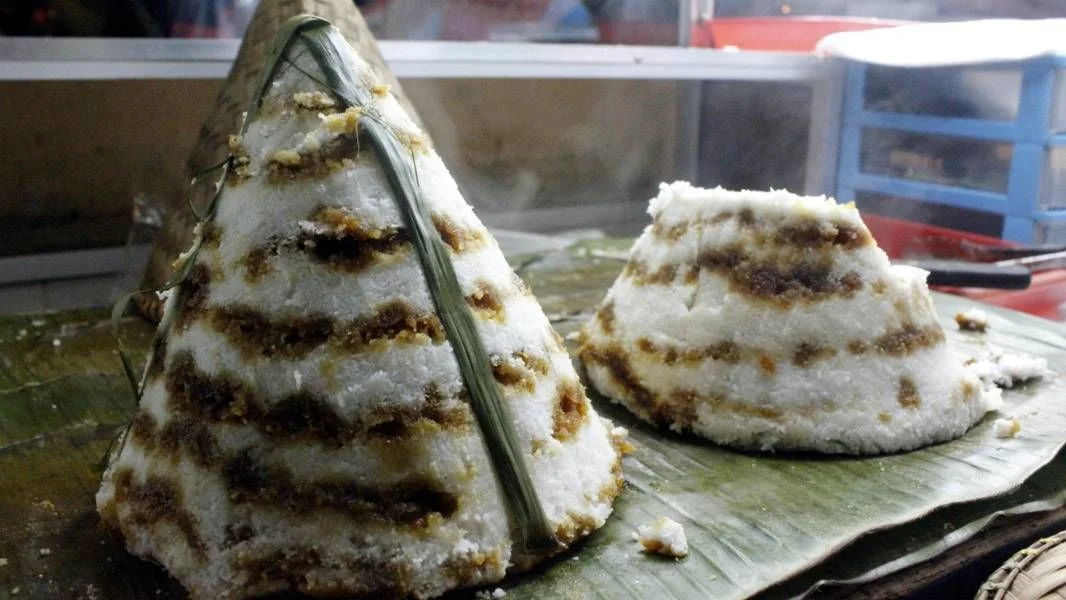
RRI.CO.ID, Jakarta – Do you know that Indonesia has a traditional cake shaped like a cone, resembling a pyramid? Known as Kue Dongkal, this traditional Betawi delicacy has become part of Indonesia's rich culinary heritage.
Kue Dongkal is made from finely ground rice flour filled with palm sugar before being placed in a cone-shaped mold and steamed. Once cooked, it is served on a banana leaf, cut into smaller pieces, and topped with freshly grated coconut, creating a distinctive combination of sweet and savory flavors.
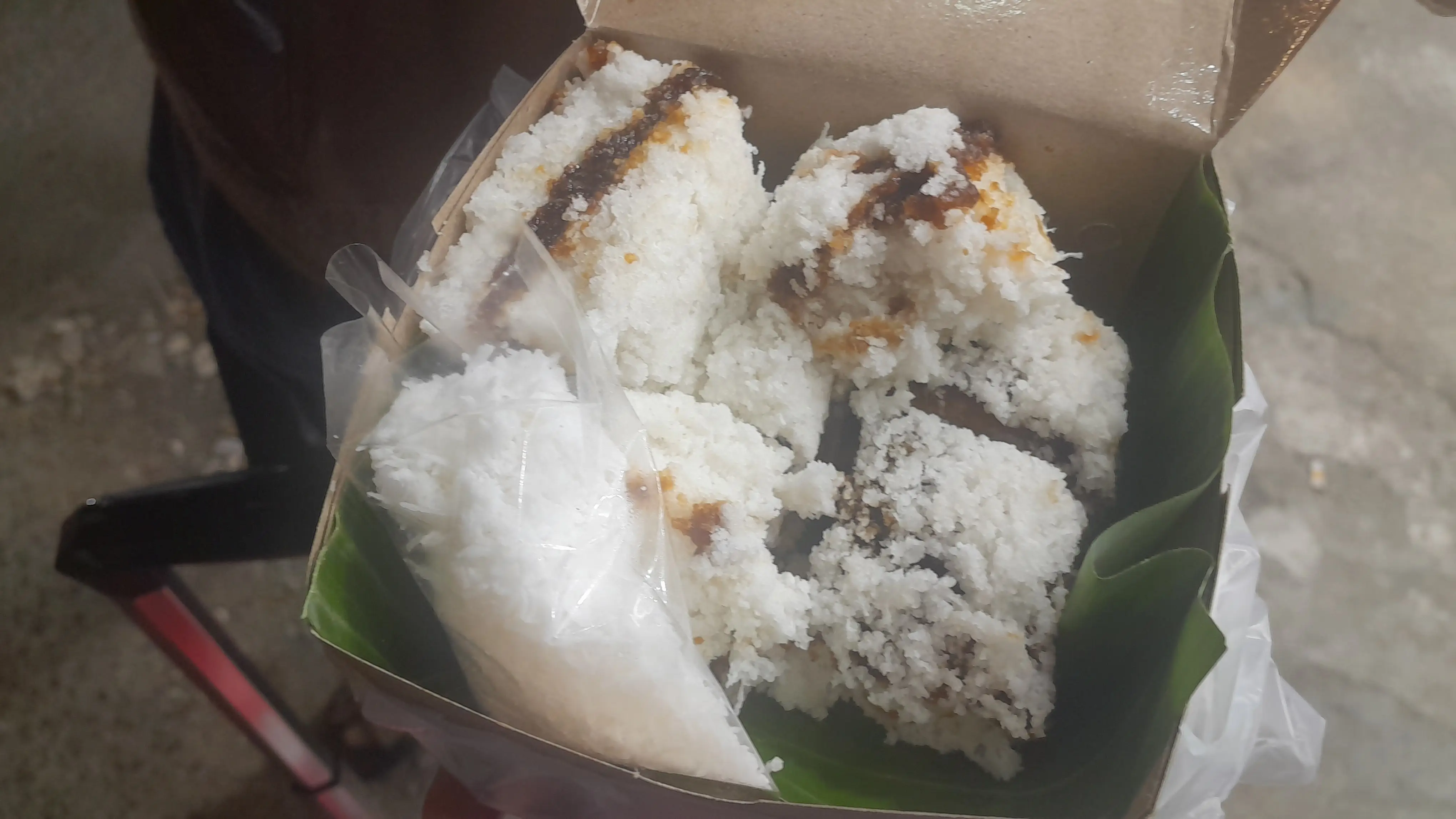
The name “Dongkal” is believed to have originated from the way the cake is served. According to local accounts, the cake is removed, or "scooped out," from its mold using a traditional rice ladle, known as a centong, before being sliced into portions and served.
The history of Kue Dongkal dates back to around the 1940s. Originally, it was made from gaplek, or dried cassava flour, and was widely enjoyed as a breakfast dish among the Betawi community. However, by the 1970s, gaplek had become increasingly difficult to find, prompting people to switch to rice flour, which remains the main ingredient today.
Beyond being an everyday dessert, Kue Dongkal has long been served during traditional Betawi ceremonies and community gatherings, including circumcision celebrations, weddings, housewarming ceremonies, and gotong royong, or communal work activities. Its presence has become a symbol of togetherness and an essential part of these special occasions.
Kue Dongkal is best enjoyed when it is still warm. For this reason, people usually prepare it in small batches to ensure every serving is freshly made. In the past, the cake was cooked over wood-fired stoves, giving it a distinctive smoky aroma.
Although Kue Dongkal is widely recognized as a traditional Betawi delicacy, it can also be found in several parts of West Java, including Bogor, Sukabumi, and Cianjur. In Bandung, a similar cake is known as Awug.
Its unique shape, traditional preparation, and long history have made Kue Dongkal one of Indonesia's culinary treasures that deserves to be preserved for future generations.
News Recomendation
Loading latest news.....