



Satu Cake, The Sweet Betawi Tradition That Melts in Every Bite
- 23 Feb 2026 13:05 WIB
- Voice of Indonesia
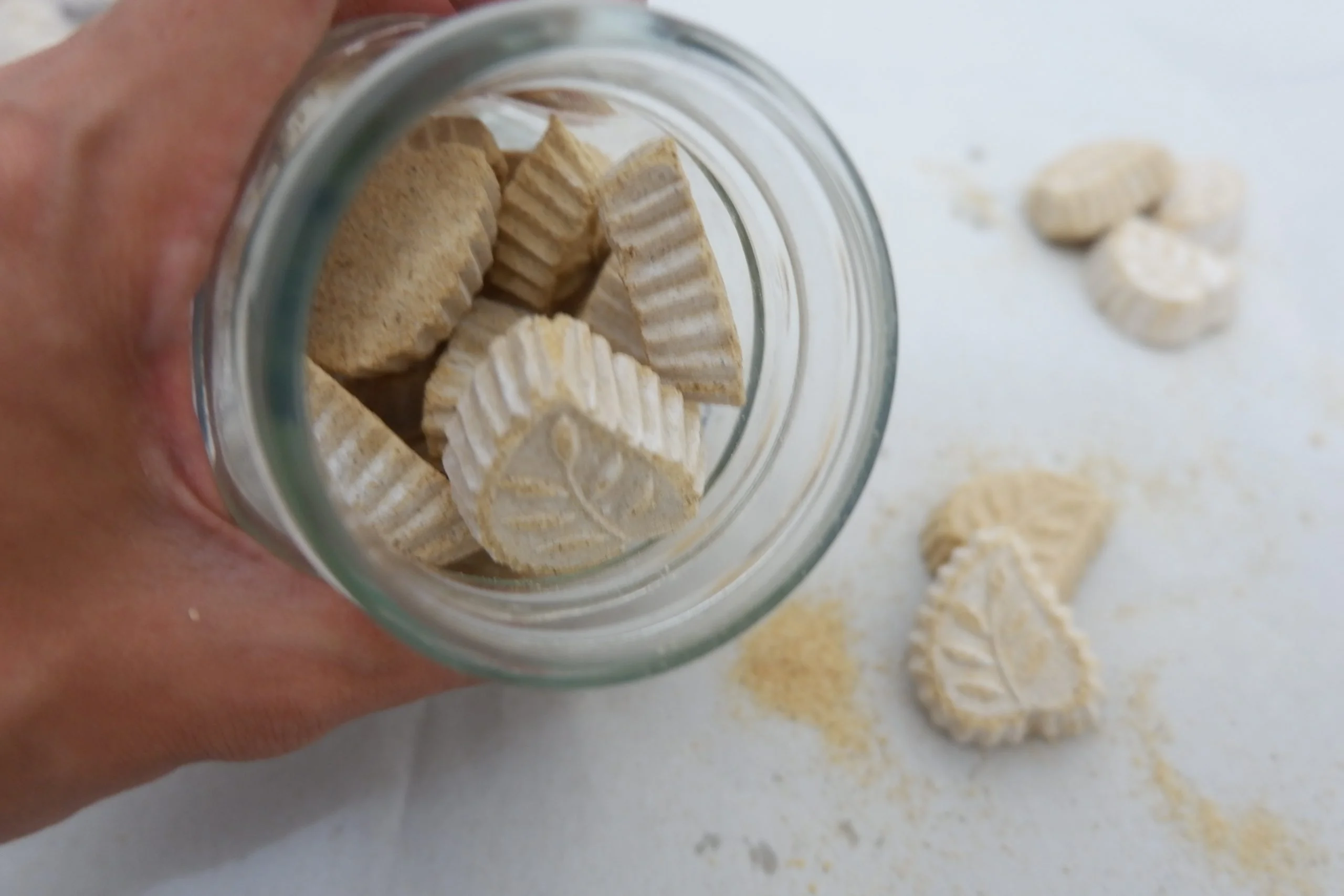
RRI.CO.ID, Jakarta — In the corners of Betawi homes in Jakarta, there is a familiar aroma that often wafts ahead of the festive season—the nutty fragrance, blended with the sweetness of sugar, from Satu. This simple, compact cake is more than just a snack; it is part of a tradition passed down through generations, especially during Ramadan and Eid.
Satu is made from only three main ingredients: mung bean flour, rice flour, and sugar. It demonstrates simplicity's appeal. At first glance, it looks firm, but once bitten, its texture crumbles softly like shortbread, leaving a distinctive sweet and savory flavor on the palate.
The preparation process is unique and requires patience. After the dough is pressed into wooden molds, the cakes must be dried under the hot sun until completely firm. This sun-drying determines both its density and its delicate crumbly texture. In some places, the process is followed by additional heating to make it last longer.
Interestingly, Satu is believed to have roots in the Chinese-Indonesian culinary tradition. The term “sa tu,” referring to flour and beans, reflects the cake’s main ingredient—mung beans processed into flour and compacted into shape. This reflects Indonesia’s fusion of culinary heritage, long known as a meeting point of diverse traditions.
Besides being delicious and melt-in-the-mouth, Satu is prized for its long shelf life. The mung beans in it are also high in fiber and reasonably nutritious.
Today, amid the rise of modern snacks, Satu continues to endure—even appearing in more attractive packaging from small and medium enterprises. Yet traditional character endures: a small cake that carries nostalgia, togetherness, and the warmth of tradition.
Ultimately, Satu is not just about taste—it is a story of cultural heritage that lives on, one bite at a time.
News Recomendation
Loading latest news.....