



Netflix's Culinary Shows Encourage Cultural Exploration and Tourism
- 05 Jun 2026 01:20 WIB
- Voice of Indonesia
Key Points
- Culinary narratives on streaming platforms like Netflix are shifting viewer habits, directly turning onscreen food discovery into real-world restaurant reservations and travel bookings.
- Netflix’s Malobika Banerji notes that audiences seek sensory engagement, with successful culinary content connecting traditions, communities, and behind-the-scenes kitchen experiences.
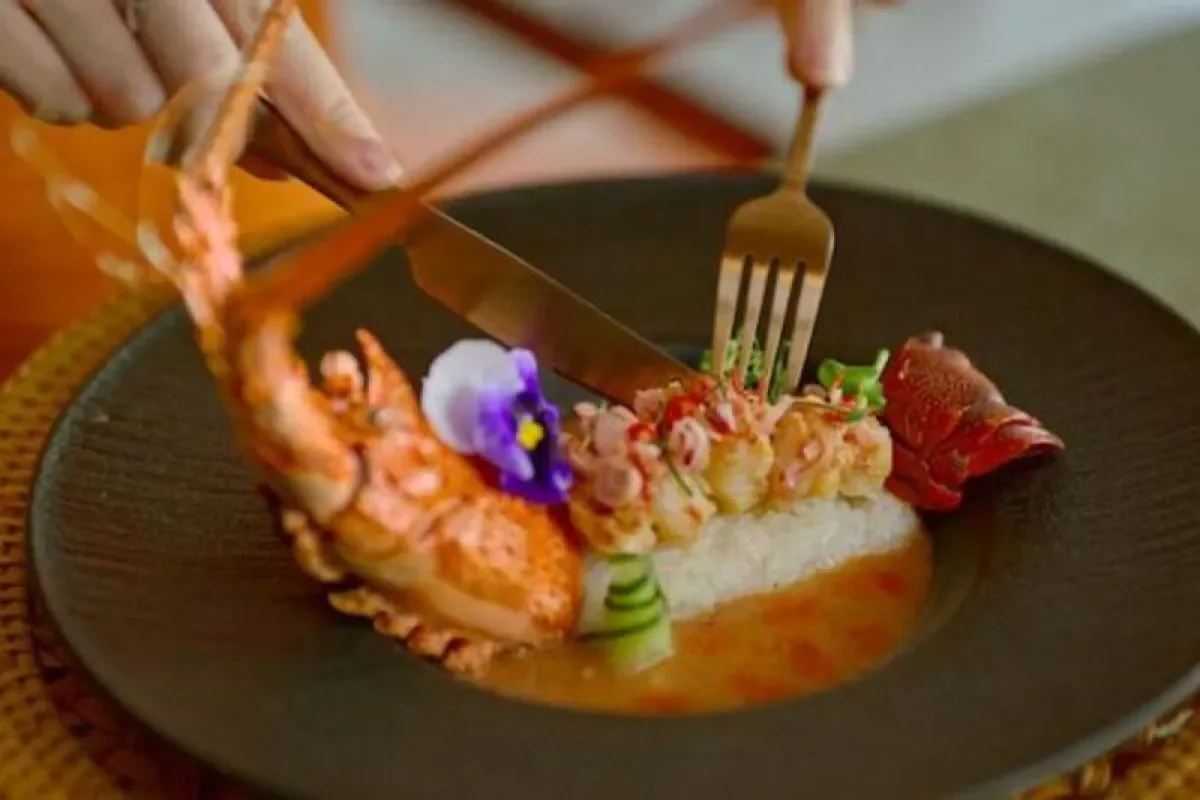
RRI.CO.ID, Jakarta - Gastronomy onscreen is fast becoming a powerful engine for global tourism and cultural exploration, proving that the way to a traveler’s heart is increasingly through their streaming queue.
Onscreen culinary narratives are systematically reshaping how audiences discover new dishes, engage with foreign cultures, and map out their next vacation destinations. Streaming giant Netflix has observed a major shift in viewer habits, where looking at food on a screen directly translates into booking tables and flights.
According to Netflix’s Senior Director of Content for Southeast Asia, Malobika Banerji, food content offers a compelling blend of entertainment, emotional connection, and cultural exploration that naturally attracts expanding audiences.
“A good story always sparks curiosity, and today, audiences look for shows that engage all their senses. There is a growing fascination with what happens behind a dish. That is where the power of culinary storytelling lies, where every dish holds a story of tradition, community, and the kitchen experience,” said Malobika in a press statement received on Thursday, June 4, 2026.
This phenomenon is vividly illustrated by the massive success of the Korean cooking competition show Culinary Class Wars. The unscripted smash hit has revitalized the South Korean food industry, driving an unprecedented surge in restaurant reservations and bringing newfound stardom to its participating chefs.
As reported by Antara, data from the Korean restaurant reservation platform Catchtable showed that restaurants helmed by contestants experienced an average booking increase of 148 percent during its debut season.
The momentum grew even stronger following the premiere of Season 2, which saw average bookings and waiting lists per participating restaurant skyrocket by approximately 303 percent in its first five weeks compared to the prior five-week period.
Globally, Season 1 made history as the first Korean unscripted series to top Netflix’s Global Top 10 Non-English chart for three consecutive weeks, while in Indonesia, it held the number-one spot and lingered in the Top 10 for eight straight weeks.
Indonesia itself boasts the deep-rooted traditional flavors, diverse food cultures, and evolving modern gastronomy needed to craft globally appealing culinary stories. The archipelago first caught the international spotlight in the 2019 documentary series Netflix Street Food: Asia, where the Yogyakarta episode featured legendary local culinary figures like Lupis Mbah Satinem, Gudeg Mbah Lindu, and Mie Lethek Cap Garuda.
The showcase successfully triggered international curiosity, drawing tourists and media attention directly to Yogyakarta and cementing its reputation as a premier culinary tourism hub.
Local storytelling has continued to ride this wave with the 2026 release of the Indonesian series Luka, Makan, Cinta (Pain, Food, Love). Set against the picturesque backdrop of Bali, the series blends romance and self-discovery with the high-stakes reality of the professional kitchen, introducing audiences to an artistic fine-dining reimagining of traditional dishes like lontong balap, lobster sambal matah, and es pisang ijo.
The show successfully entered Netflix’s Global Top 10 Non-English series chart with roughly 2.4 million views, securing a spot in the Top 10 across 30 countries and maintaining a five-week streak on Indonesia's Top 10 list. Other popular local titles like Aruna & Lidahnya and Rahasia Rasa further highlight how food serves as a medium to unpack identity, culture, and human relationships.
This shift from simple entertainment to deep emotional investment has altered the way people appreciate the culinary world. The Winner of MasterChef Indonesia Season 8 and a prominent culinary entrepreneur, Chef Jesselyn Lauwreen, noted that contemporary food shows have evolved into highly personal narratives that inspire younger generations to explore the culinary industry.
“The narrative of the story, passion, and struggle behind it makes the audience feel more connected to a dish and the chef behind it. At the same time, it helps them appreciate the entire process behind every serving, from the high pressure in the kitchen, teamwork, maintaining consistency, to the hard work that is often invisible to customers,” said Lauwreen, who counts herself a fan of Netflix titles like Culinary Class Wars and Street Food: Asia. ***
News Recomendation
Loading latest news.....