Beyond Steamed Rice: Indonesia’s Diverse Rice Creations

  • 31 Mar 2026 11:17 WIB
  •  Voice of Indonesia

RRI.CO.ID, Jakarta - The sentence “you’re not truly full until you’ve eaten rice” is widely familiar among many Indonesians. Rice, when cooked into steamed rice, is indeed the staple food of Indonesian society. However, besides being prepared as plain rice, it can also be transformed into a variety of other dishes.

One example is ketupat or kupat, a traditional Indonesian food made from rice wrapped in woven young coconut leaves (janur) and boiled. It is a typical dish served during Eid, usually accompanied by dishes such as opor ayam (chicken in coconut milk), spicy stir-fried liver and potatoes (sambal goreng hati), curry and other vegetables.

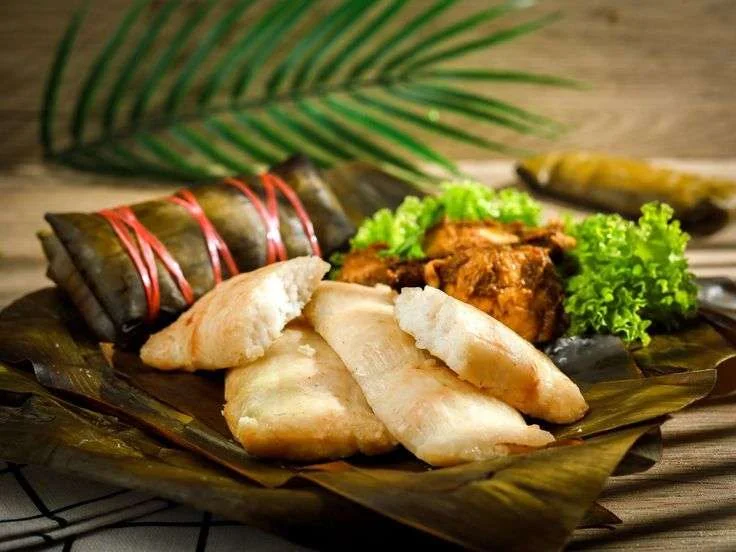
In addition to ketupat, there is also burasa. At first glance, burasa looks similar to ketupat. However, the difference lies in its flatter, shorter shape and its wrapping, which uses banana leaves. Burasa is a traditional Eid food from Makassar, commonly enjoyed with various dishes such as curry, stir-fried chili paste, opor ayam or coto Makassar aromatic beef soup.

To make burasa, rice is cooked with coconut milk until soft. It is then wrapped in banana leaves and tied using raffia string or strips of banana leaf. After that, it is boiled until fully cooked.

In Ternate, there is also a rice-based dish called pali-pali. It is shaped like a long oval, similar to lontong. It is made from rice and wrapped in woven lontar leaves before being steamed. Pali-pali is often served during festive occasions or sacred ceremonies. It is generally eaten with vegetable soups or stir-fried dishes.

Rice is not only a staple food for Indonesians but also a versatile ingredient that can be transformed into a wide variety of traditional dishes.

From ketupat and burasa to pali-pali, each region in Indonesia showcases its own unique way of processing rice, often shaped by local traditions, ingredients, and cultural values. These dishes are especially significant during special occasions such as Eid and other ceremonial events, where food becomes a symbol of togetherness and gratitude.

Beyond their taste and presentation, these rice-based delicacies reflect the richness and diversity of Indonesian culinary heritage. They also highlight the deep cultural connection Indonesians have with rice, not just as a source of sustenance but as an integral part of their identity, traditions, and everyday life.

google-preference

News Recomendation

Latest News

Loading latest news.....