


From Kolak to Fritters: Popular Iftar Dishes in Indonesia
- 25 Feb 2026 11:37 WIB
- Voice of Indonesia
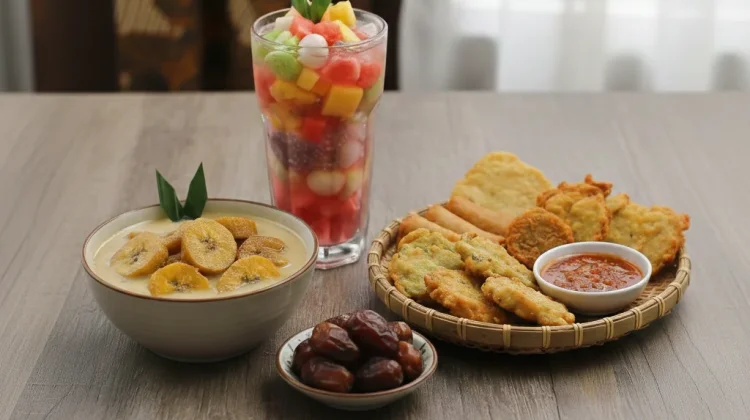
RRI.CO.ID, Jakarta - As the sun begins to set and the time for iftar approaches, streets across Indonesia turn into lively food markets. Temporary stalls line the sidewalks, selling colourful drinks, sweet treats, and freshly fried snacks. These pop-up markets–known locally as takjil markets, become gathering places where people buy food for iftar while enjoying the warm and festive atmosphere of Ramadan.
As the country with the largest Muslim population in the world, Indonesia observes Ramadan not only as a spiritual journey, but also as a time to celebrate tradition. Iftar is more than simply eating after a long day without food and drink.
In addition, it is a meaningful moment to reconnect with family, friends, and the community. From Sabang in the west to Merauke in the east, regional specialties add unique flavors to the iftar table, blending religious values with Indonesia’s rich cultural heritage.
One of the most popular Ramadan dishes is kolak, a traditional Indonesian dessert. It is typically made of bananas cooked in coconut milk and palm sugar, often combined with sweet potatoes or jackfruit.
Its creamy texture and rich sweetness provide a comforting source of energy after a day of fasting. Although available throughout the year, kolak is especially associated with Ramadan and is widely considered a favorite iftar dish.
Another favourite is es buah, which literally means “fruit ice.” This refreshing drink consists of shaved ice, syrup, sweetened condensed milk, and a mix of tropical fruits such as papaya, melon, pineapple, and avocado. Light, colorful, and cooling, es buah is especially popular for quenching thirst at sunset.
Fritters, commonly called gorengan, are also a staple during iftar. These include vegetable fritters, stuffed tofu, fried tempeh, and banana fritters. Affordable and easy to find, gorengan are often the first bites people enjoy when breaking their fast, usually accompanied by tea or a sweet drink before the main meal.
Dates also hold special significance during Ramadan. Their consumption increases significantly during the holy month, as many Muslims begin iftar with dates and water, following a tradition rooted in Islamic practice. From traditional markets to modern supermarkets, various types of dates are widely available throughout Ramadan, symbolizing the connection between faith and daily life.
From sweet desserts to savory snacks, the variety of foods served at iftar reflects the richness of Indonesia’s culinary traditions. More than just nourishment, these dishes represent comfort, togetherness, and the preservation of cultural heritage.
For international readers, exploring Ramadan cuisine in Indonesia offers meaningful insight into how the holy month is celebrated across this diverse and vibrant archipelago. So, don’t wait too long, just hunt popular iftar dishes in Indonesia.