



Ministry Highlights Local Food as Cultural Heritage at Kenduri Nusantara
- 14 Okt 2025 14:10 WIB
- Voice of Indonesia
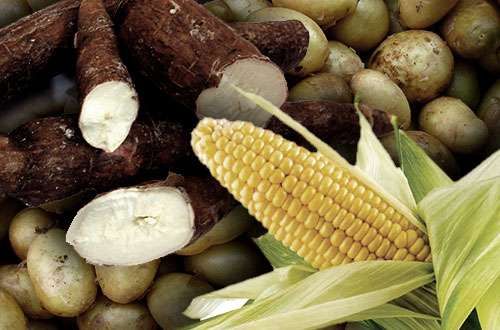
KBRN, Jakarta: Celebrating Indonesia’s rich culinary heritage, the Ministry of Culture emphasized the importance of local food not only as a physical necessity but as a reflection of national identity and cultural resilience.
At the Kenduri Budaya Pangan Lokal Nusantara event, Indonesian Minister of Culture Fadli Zon underscored that food traditions across the archipelago are deeply rooted in ancestral wisdom and the long-standing interaction between communities, nature, and belief systems.
“Local food is a cultural legacy that mirrors our identity, traditions, and local wisdom,” Minister Fadli said in a statement received in Jakarta on Tuesday, October 14, 2025, as quoted by antaranews.com.
“Each region has its own food culture shaped by generations of human-nature relationships and spiritual values,” he added.
The Kenduri event, inspired by the communal tradition of shared meals as a gesture of gratitude and unity, served as a platform to promote cultural values that strengthen social bonds, preserve indigenous food systems, and support public health.
Minister Fadli noted that under President Prabowo Subianto’s leadership, food has become a national development priority, with initiatives such as food self-sufficiency and the Free Nutritious Meals program aimed at building a strong generation toward Indonesia Emas 2045 (Golden Indonesia 2045).
The Ministry’s Nusantara Local Food Movement, launched to support these goals, aligns with several Sustainable Development Goals (SDGs), including Zero Hunger, Good Health and Wellbeing, Gender Equality, and Responsible Consumption and Production.
“By preserving local food traditions, we not only safeguard our heritage but also reinforce national food sovereignty and resilience amid global challenges like climate change and import dependency,” Minister Fadli said.
Curator Meilati Batubara highlighted that the Kenduri event featured exhibitions, workshops, local markets, and cultural discussions involving indigenous communities from across Indonesia.
She described it as both a celebration of culinary diversity and a knowledge-sharing forum to empower local communities in sustaining and evolving their food cultures. ***
News Recomendation
Loading latest news.....