



Pempek: from Srivijaya Heritage to Palembang's History
- 07 Sep 2026 09:09 WIB
- Voice of Indonesia
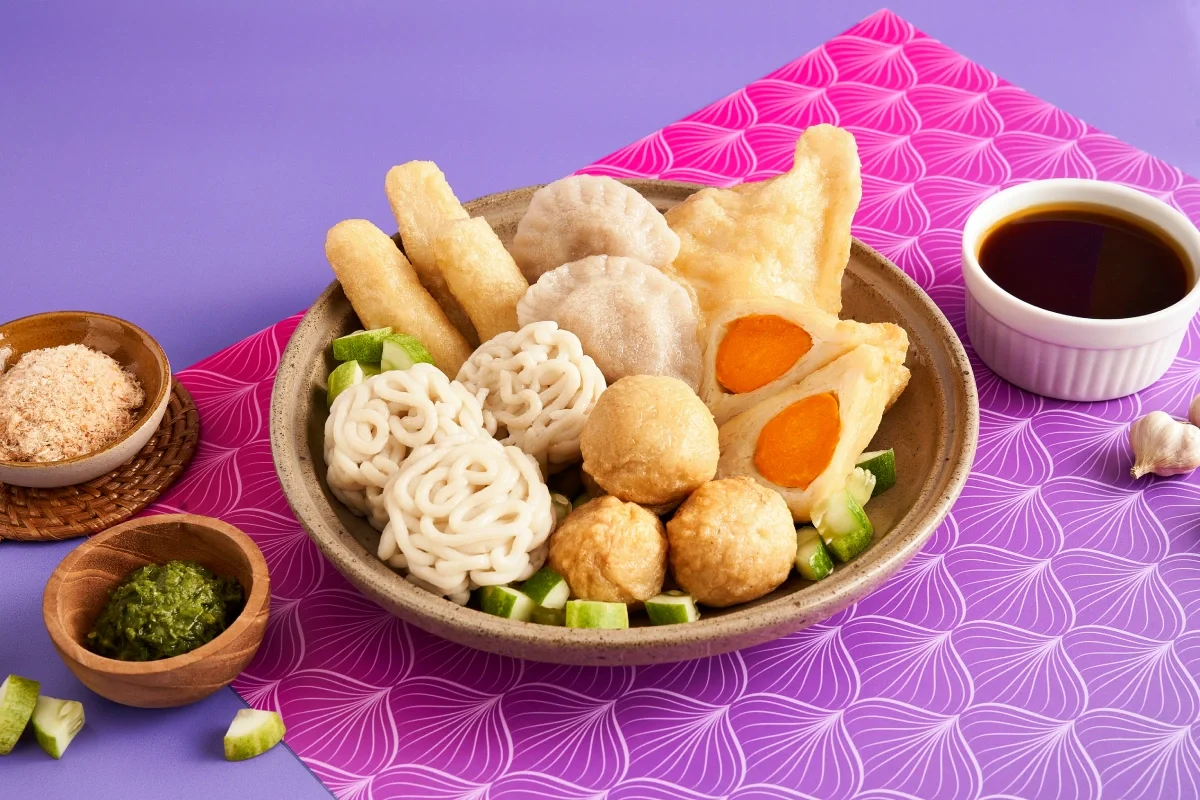
RRI.CO.ID, Palembang - A study published in the Journal of Ethnic Foods (2023) has found that pempek, long known simply as a popular street food, actually carries a historical lineage tied to the Srivijaya civilization and has grown into both a cultural identity symbol and an economic driver for the city of Palembang over the past century. The research, conducted by Farida Ratu Wargadalem together with Wasino and Leli Yulifar, used a historical approach that combined colonial archive research, in-depth interviews with 30 informants, and field observations at pempek production sites.
Tracing the dish's origins, the researchers found that pempek's roots can be linked to the Talang Tuo Inscription from the Srivijaya Kingdom, dated 684 AD. The inscription records the planting of coconut, areca nut, sugar palm, sago, and various fruit trees in the Criksetra garden by order of King Dapunta Hyang Srijayanasa.
These same plants later became the foundation for making pempek, which is why the dish's name still carries a reference to "sago" even though its main ingredient today is tapioca starch.
Before it was called pempek, the dish was known as "Kelesan," meaning cleaned fish meat that had been pounded or crushed using a tool called "Piri'an," then mixed with tapioca starch, salt, and water, shaped, and boiled. This tradition held a special place in Palembang households from the era of the Palembang Sultanate, spanning the 17th to 19th centuries, shaped in part by Chinese and Arab cultural influences that flourished within the palace.
The shift from "Kelesan" to "Pempek" came as the business of selling the dish expanded. Women who prepared Kelesan enlisted Chinese traders, known locally as "Apek," to sell the food door-to-door after their original selling grounds around the Guguk Pengulon area were affected by land reclamation efforts in the early twentieth century. Buyers calling out "Pek, empek" when they wanted to purchase the dish is said to have gradually given rise to the name "Pempek," or "Empek-empek," which endures today.
Pempek's existence is also closely tied to the geography of South Sumatra, a region crisscrossed by nine major rivers known collectively as Batanghari Sembilan, including the Musi, Klingi, Bliti, Lakitan, Rawas, Rupit, Batang Ari Leko, Ogan, and Komering rivers. This river network provided an abundant supply of fish alongside a steady flow of sago starch from sugar palm trees, the two key raw materials that allowed pempek production to flourish along the waterways.
A local social tradition called "Nginum," in which people gather to rest and chat around 10 a.m. and 4 p.m. while snacking, further cemented pempek's place as a daily staple thanks to its ease of preparation and affordability. Its flavor profile is completed by Cuko sauce, made from palm sugar, chili, garlic, and tamarind, giving rise to the local saying "cuko dak becuko, tengah duo," which affirms that Cuko is inseparable from pempek.
Over time, the dish diversified into 21 recorded varieties, ranging from Lenjer and Kapal Selem to Adaan, Tekwan, and Model.
Economically, the pempek industry has shown strong growth over the past two decades. Data from Indonesia's Ministry of Cooperatives and SMEs in 2021 recorded 3,006 pempek small and medium enterprises operating in Palembang, up from roughly 3,000 businesses before the Covid-19 pandemic, despite an 80 percent drop in sales turnover in 2020.
Major sporting events hosted in Palembang, including the 2004 National Sports Week, the 2011 SEA Games, and the 2018 Asian Games, have also helped boost the dish's popularity as a signature souvenir recognized well beyond South Sumatra.
The researchers concluded that the local availability of raw materials such as fish, tapioca, and palm sugar, combined with the community's cultural practices, gave rise to pempek as a culinary heritage that continues to endure today. Still, the study noted a limitation in that it lacked an in-depth analysis of the challenges faced by pempek business owners, leaving room for future research into the industry's development and its economic impact on South Sumatra.
Source: Wargadalem, F.R., Wasino, and Yulifar, L. (2023). Pempek Palembang: history, food making tradition, and ethnic identity. Journal of Ethnic Foods, 10(45).
News Recomendation
Loading latest news.....