



'Peyek', Old Indonesian Snack Closely Related to Javanese Traditions
- 19 Apr 2025 11:18 WIB
- Voice of Indonesia
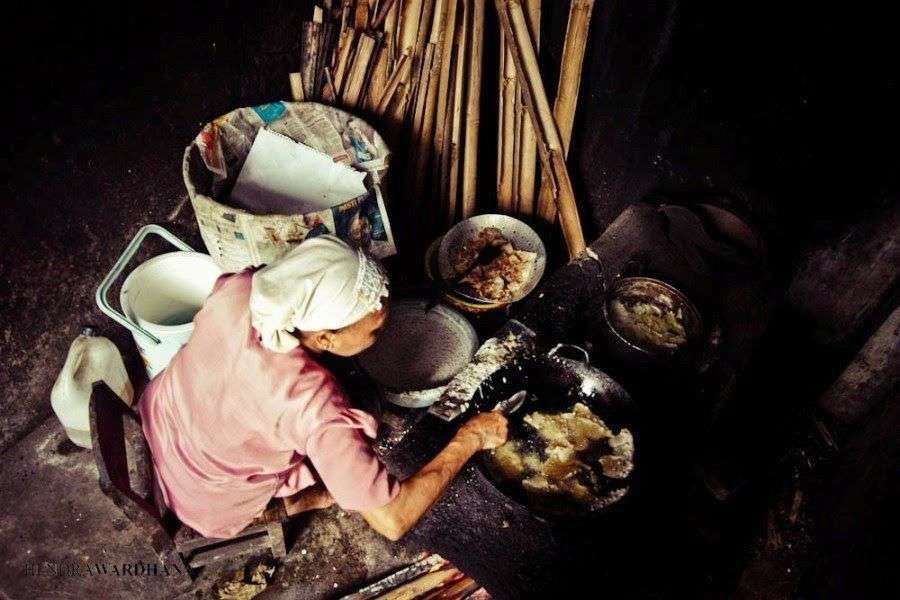
KBRN, Mataram: Peyek, or rempeyek, is a traditional Indonesian snack made from flour-based batter with various fillings such as peanuts, dried shrimp (ebi), anchovies, and others. Known for its savory and crispy texture, peyek is commonly served alongside dishes like pecel or gado-gado, mixed vegetable served with peanut sauce.
According to Indonesiakaya.com, rempeyek has been around since the era of the Mataram Sultanate in the 16th century. However, due to limited historical documentation, further research is needed to confirm its precise origins.
Peyek is often referred to as crispy crackers, made by deep-frying a thin batter of rice flour mixed with coconut milk, spices, and water, which is then topped with peanuts, dried anchovies, or small shrimp. It results a golden, crunchy cracker with a savory favor.
This treat is commonly enjoyed as a standalone snack or to accompany dishes like pecel. Its name is derived from the Javanese word 'peyek', which imitates the sound of the cracker breaking.
"In Yogyakarta, rempeyek has long been a traditional snack that has stood the test of time," authors Murdijati Gardjito et al. said in their book Culinary Yogyakarta: Worth Remembering for All Time, as quoted on Saturday April 19, 2025, by rri.co.id.
In Yogyakarta, various types of peyek are known, including peanut peyek, soy peyek, anchovy peyek, and jingking (baby crabs) peyek. Other variants include shrimp peyek, laron (winged termites) peyek, and rempeyek gereh pethek (made from small, salted fish).
Rempeyek sizes range from palm-sized to as large as a small motorcycle tire. More than just a crunchy side dish, peyek carries symbolic meaning in Javanese culture. For example, anchovy peyek is traditionally paired with sayur lodeh and symbolizes togetherness among the Javanese.
Meanwhile, rempeyek gereh pethek is commonly present during thanksgiving rituals, symbolizing mutual cooperation and unity, according to Gardjito.
Historically, rempeyek has been an essential part of offerings during Javanese traditional ceremonies tied to life events—birth, marriage, and death. For instance, it is featured in the mitoni (a seven-month pregnancy ceremony), brokohan or barokahan (post-birth thanksgiving), circumcision celebrations, weddings, and kenduri for mourning rituals.
In Kotagede, rempeyek was also traditionally included as part of offerings. As documented by Retno Widayanti in her 2007 thesis Traditional Food Profile in Kotagede (Yogyakarta State University), rempeyek is served with ruwahan rice in rituals to welcome Ramadan at the mosque. It was also served during weddings, circumcisions, and tahlilan (Islamic prayer gatherings for the deceased).
Today, rempeyek is more widely recognized as a snack or side dish. With its variety of fillings or topping, it appeals to many and is loved for its crispy texture and savory taste, derived from spices such as candlenut, coriander, garlic, and salt, which are ground and mixed into the batter before frying.
To keep it crispy and long-lasting, rempeyek is usually stored in jars. It is widely available from traditional markets and food stalls to modern supermarkets making this heritage snack both a cultural icon and a favorite treat across generations. ***
News Recomendation
Loading latest news.....