



Indonesia Promotes Green Technology for Small Industries
- 27 Agt 2026 19:29 WIB
- Voice of Indonesia
RRI.CO.ID, Jakarta: The Ministry of Industry is stepping up efforts to enhance the competitiveness of small and medium industries (IKM) through the adoption of adaptive, productive, and environmentally friendly technologies. One concrete initiative is the construction of a wastewater treatment plant (WWTP) for IKM at the Sasirangan Timbaan Center in Tapin Regency, South Kalimantan, under the Technology Utilization Acceleration Program through the Industrial Technology Improvement Partnership Fund (DAPATI).
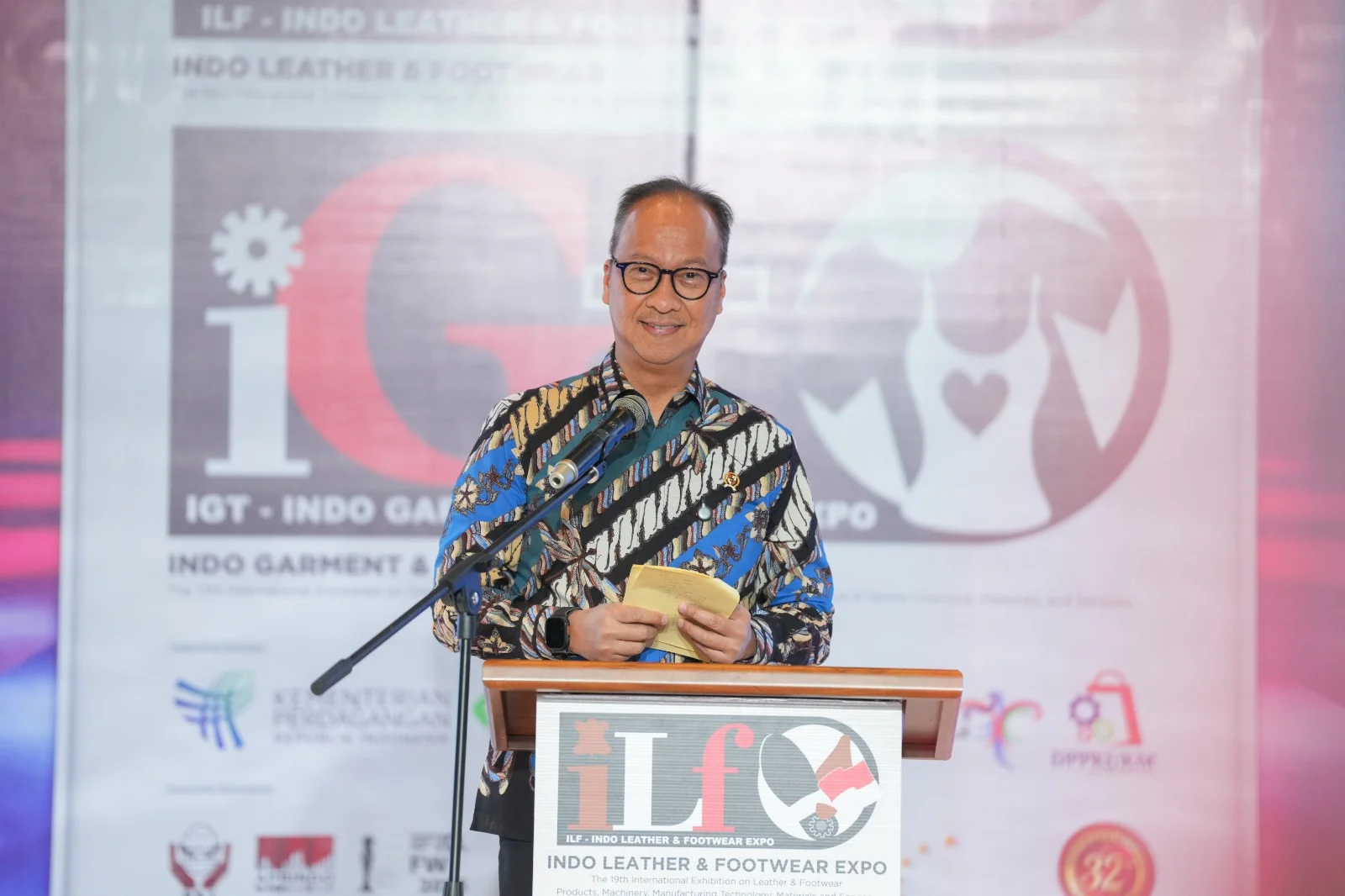
Minister of Industry Agus Gumiwang Kartasasmita emphasized that Indonesia’s industrial transformation is not only focused on increasing productivity and competitiveness, but also on establishing more sustainable and environmentally friendly production processes.
“The Ministry of Industry continues to promote appropriate technologies that can improve production efficiency while strengthening environmental sustainability. This effort is an important part of creating a more competitive, inclusive, and sustainable national industry in line with green industry principles,” the Minister said in a statement in Jakarta on Thursday, August 27, 2026.
In line with this policy direction, the Agency for Industrial Standardization and Services Policy (BSKJI) continues to strengthen its role in providing industrial technology services tailored to the needs of businesses across different regions. Through the DAPATI Program, BSKJI is accelerating the adoption of industrial technologies to boost productivity while improving environmental management, particularly among IKM.
BSKJI Head Emmy Suryandari said the DAPATI Program represents the government’s concrete efforts to accelerate the adoption of technological innovation in the industrial sector.
“The DAPATI Program not only produces practical innovations, but also strengthens human resource capacity so that industry players can operate the technology independently and sustainably. This ensures that the benefits of the technology can be sustained over the long term,” she said.
As the implementing agency, Head of BSPJI Banjarbaru Oktaviyanto Jimat Wibowo explained that the construction of the WWTP at the Sasirangan Timbaan Center was prompted by the continued practice of discharging liquid waste from the fabric-dyeing process directly into infiltration wells without prior treatment. If left unaddressed, this could potentially cause environmental pollution.
“Through the DAPATI Program, BSPJI Banjarbaru has introduced a simple and easy-to-operate technology that uses locally available materials and improves wastewater management among sasirangan IKM. We hope this technology can serve as an example of more environmentally friendly industrial practices for other IKM centers,” Oktaviyanto said.
The consultancy program was carried out over eight months, from March to October 2025. Activities included problem identification, field observations, WWTP design, partnership agreements, construction, technical training, as well as technology monitoring and evaluation. The project resulted in a WWTP with a capacity of approximately 3,500 liters, measuring 450 centimeters long, 200 centimeters wide, and 120 centimeters high. The facility consists of seven treatment tanks: one electrocoagulation tank using an inverter for the initial metal-settling stage; five filtration tanks using palm fiber, charcoal, broken roof tiles, coconut fiber, and purun plant waste; and one control tank before the treated water is discharged into an infiltration well.
The filtration materials were selected because they are readily available locally and capable of absorbing various pollutants. Laboratory tests showed that the technology significantly improved wastewater quality. Hydrogen sulfide (H₂S) levels were reduced by 98.75 percent, oil and grease by 97.33 percent, phenol by 91.66 percent, BOD by 81.77 percent, COD by 80.44 percent, and TSS by 40.74 percent.
Almost all parameters met the applicable quality standards under South Kalimantan Governor Regulation No. 36 of 2008 and Minister of Environment Regulation No. 12 of 2025. Meanwhile, oil and grease levels still require further optimization of the wastewater retention time within the treatment system to achieve better results.
News Recomendation
Loading latest news.....