



Indonesia Eyes Beverage Industry to Drive Green Growth
- 07 Agt 2026 16:40 WIB
- Voice of Indonesia
Key Points
- The government is leveraging the beverage industry’s potential to strengthen the circular economy, boost manufacturing competitiveness, and support national decarbonization targets.
- The Ministry has launched capacity‑building programs through workshops, industry mentoring, and policy recommendation development.
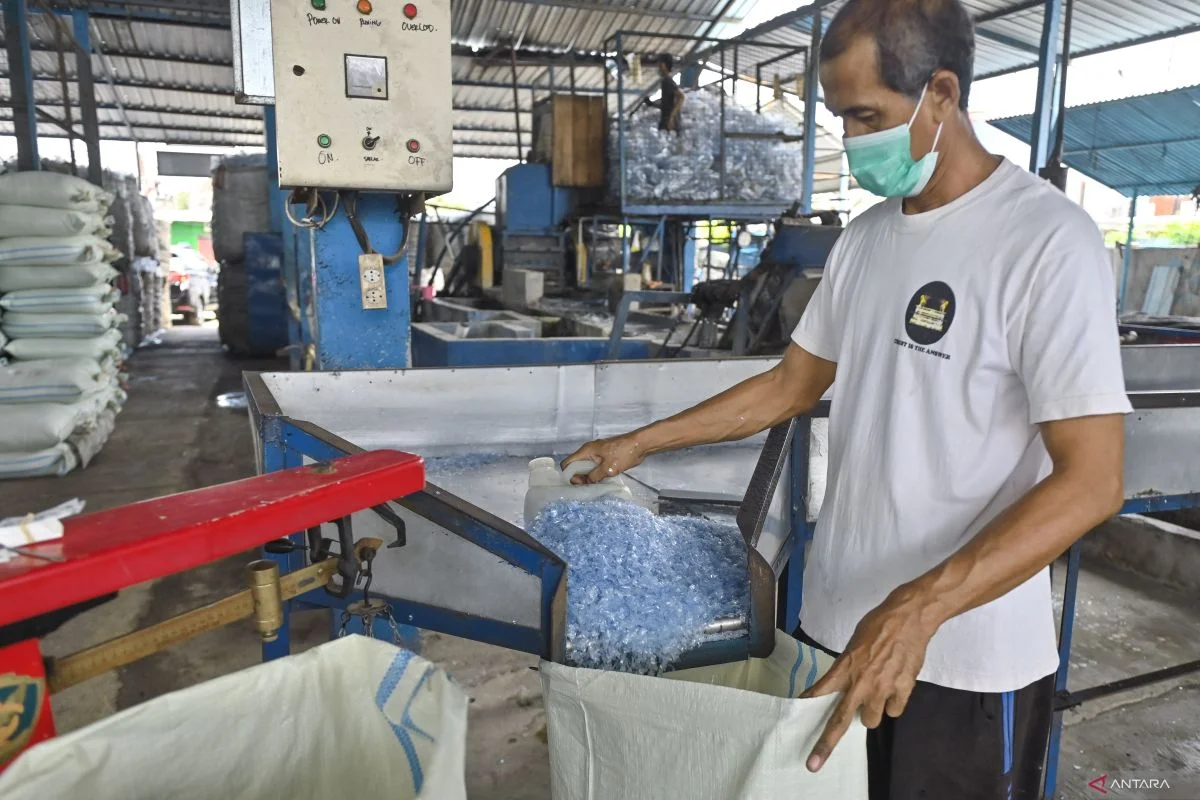
RRI.CO.ID, Jakarta - The beverage industry is projected to be one of the main drivers of green industry growth in Indonesia.
The government is leveraging the sector’s potential to strengthen the circular economy, boost manufacturing competitiveness, and support national decarbonization targets.
The Ministry of Industry is encouraging companies to adopt more efficient production processes by using renewable energy, conserving resources, and expanding the use of recycled plastic packaging. These measures are expected to meet rising global demand for sustainable products.
Industry Minister Agus Gumiwang Kartasasmita said the transformation toward a green industry is a strategic step to enhance national industrial competitiveness amid increasing global demand for sustainable products.
“Therefore, the implementation of the circular economy must continue to be strengthened through collaboration between the government, businesses, academics, and all stakeholders,” Minister Agus said in a statement in Jakarta on Friday, August 7, 2026, as quoted on the Ministry’s official website.
Minister Agus explained that these efforts also aim to support the industrial sector’s Net Zero Emissions (NZE) target for 2050 through production efficiency, technological innovation, and the strengthening of the circular economy.
This program aligns with Law No. 3/2014 on Industry. The Ministry has also prepared a decarbonization roadmap for priority manufacturing subsectors, including the food and beverage industry.
Acting Director General of Agro‑Industry, Putu Juli Ardika, stated that the growth of the food and beverage industry must be balanced by more efficient, low‑emission production processes.
“Through the implementation of the circular economy, the industry is expected not only to reduce its environmental impact but also to strengthen its competitiveness and meet global market demands that increasingly prioritize sustainability,” he said.
The Ministry views post‑consumer packaging management as one of the foundations of the circular economy. According to a study by Sustainable Waste Indonesia, Indonesia generates an estimated 435,000 metric tons of PET bottle waste annually, with around 307,000 metric tons successfully collected -- resulting in a recycling rate of approximately 71 percent.
Director of the Beverage, Tobacco Products, and Refreshment Ingredients Industry, Merrijantij Punguan Pintaria, said PET bottles demonstrate that waste can become a resource when managed properly.
“This is a valuable asset for Indonesia in building a stronger circular economy system while supporting emission‑reduction targets for the industrial sector, particularly the beverage industry,” she said.
As a follow‑up, the Ministry has launched capacity‑building programs through workshops, industry mentoring, and the development of policy recommendations. These initiatives are expected to accelerate the implementation of green industry practices while enhancing the competitiveness of Indonesia’s beverage industry in the global market. ***
News Recomendation
Loading latest news.....