



Government Strategy Boosts Indonesia’s Manufacturing PMI in July 2026
- 06 Agt 2026 11:11 WIB
- Voice of Indonesia
Key Points
- Indonesia's manufacturing Purchasing Managers' Index (PMI) jumped from 46.9 in June to 50.2 in July 2026.
- This recovery was supported by key government policies, including stable pricing for natural gas (HGBT) and import duty relief on plastic raw materials, which helped lower costs and boost business confidence.
RRI.CO.ID, Jakarta – The Indonesian government’s strategic policies have successfully supported an increase in the national manufacturing Purchasing Managers’ Index (PMI), bringing it back into the expansion zone at 50.2 in July 2026. This achievement, as reported by S&P Global, sends a positive signal of regional economic recovery that has caught the attention of international businesses, following a significant jump in the national industrial sector from 46.9 in June 2026.
The 3.3-point surge was driven by a rebound in production volume, the first since February, the stabilization of new orders, and the resurgence of employment growth. This development also places Indonesia’s manufacturing competitiveness on par with other countries in the region, such as Malaysia (50.2), and ahead of Myanmar (49.3).
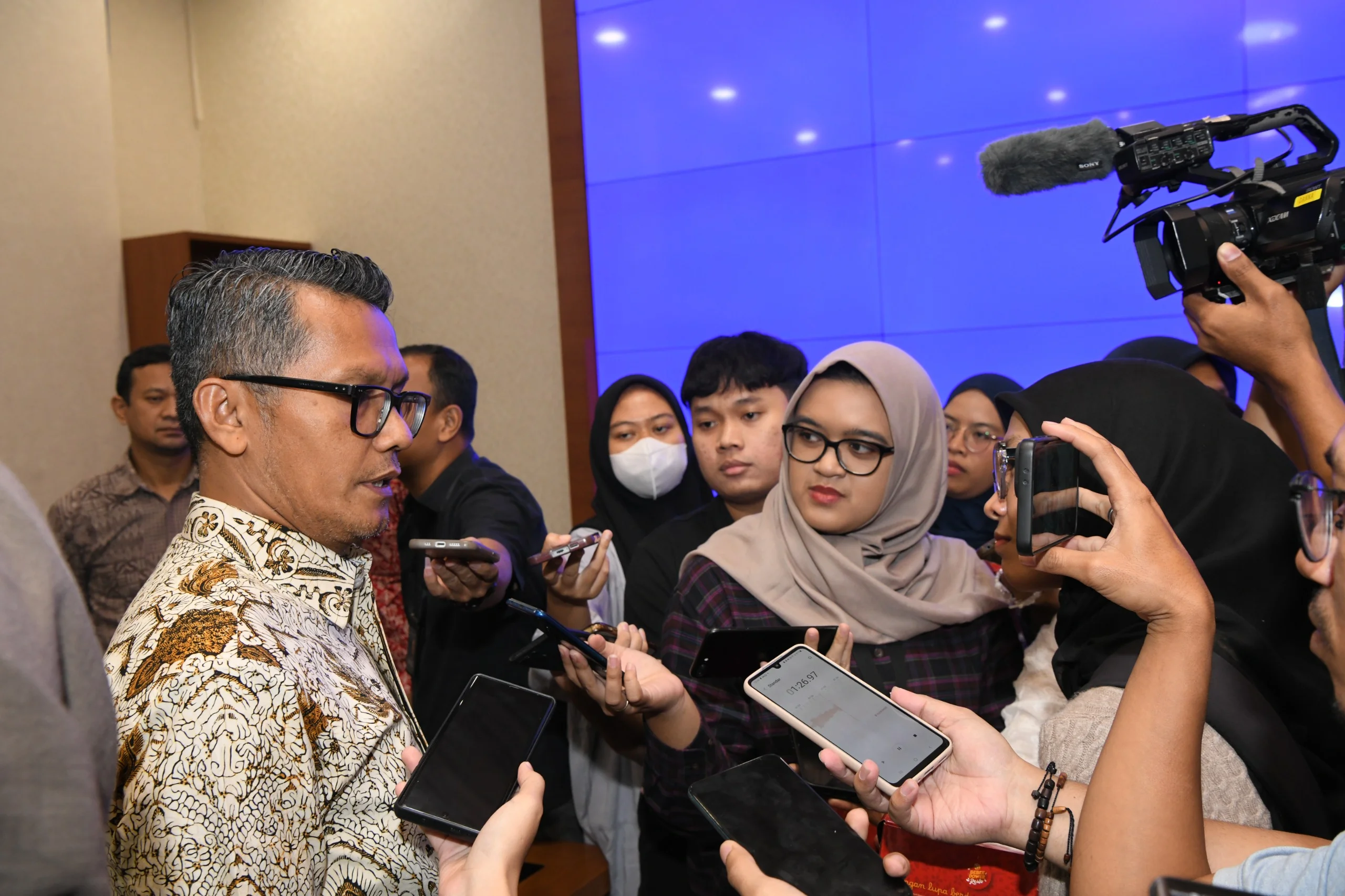
Ministry of Industry Spokesperson, Febri Hendri Antoni Arif, welcomed this positive trend amid fluctuations in raw material costs and global uncertainty. He noted that this demonstrates continued improvement in consumer confidence.
"We welcome the return of Indonesia’s Manufacturing PMI to the expansionary level of 50.2 in July 2026. This 3.3-point increase from June confirms that the manufacturing sector is once again gaining momentum. Increased output and the creation of new jobs indicate that consumer confidence and domestic market demand continue to improve," he said in Jakarta on Monday, August 3, 2026.
This strengthening of the manufacturing sector was driven by two major government stimulus measures, the assurance of a stable supply of Natural Gas at a Fixed Price (HGBT) and the implementation of import duty relief on plastic raw materials. This combination of policies is considered effective in bringing input cost inflation down to its lowest point in four months and boosting business optimism for the next 12 months to its highest level since the beginning of the year.
Regarding the direct impact of these regulatory interventions, Febri reaffirmed the government’s commitment to maintaining the cost efficiency of the national industry. “The combination of HGBT certainty and the implementation of the Minister of Finance Regulation (PMK) on import duty relief for plastic raw materials is tangible proof of the government’s presence in ensuring the industry’s cost structure remains efficient,” he stated.
To ensure this expansionary trend continues in the second half of 2026, the government continues to urge businesses to remain vigilant regarding fluctuations in global supply chains and exchange rates. The Ministry of Industry is committed to continuing to ensure the availability of raw materials and protect the domestic market in order to maintain the resilience of the national manufacturing industry.
News Recomendation
Loading latest news.....