



Promoting Authentic Batik to Protect Local Artisans
- 15 Jul 2026 08:19 WIB
- Voice of Indonesia
Key Points
- Kemenperin is educating consumers to distinguish authentic handcrafted batik from mass-produced printed fabrics to protect local artisans and SMEs.
- The ministry is expanding Batikmark certification and industry support to strengthen the competitiveness and authenticity of Indonesian batik.
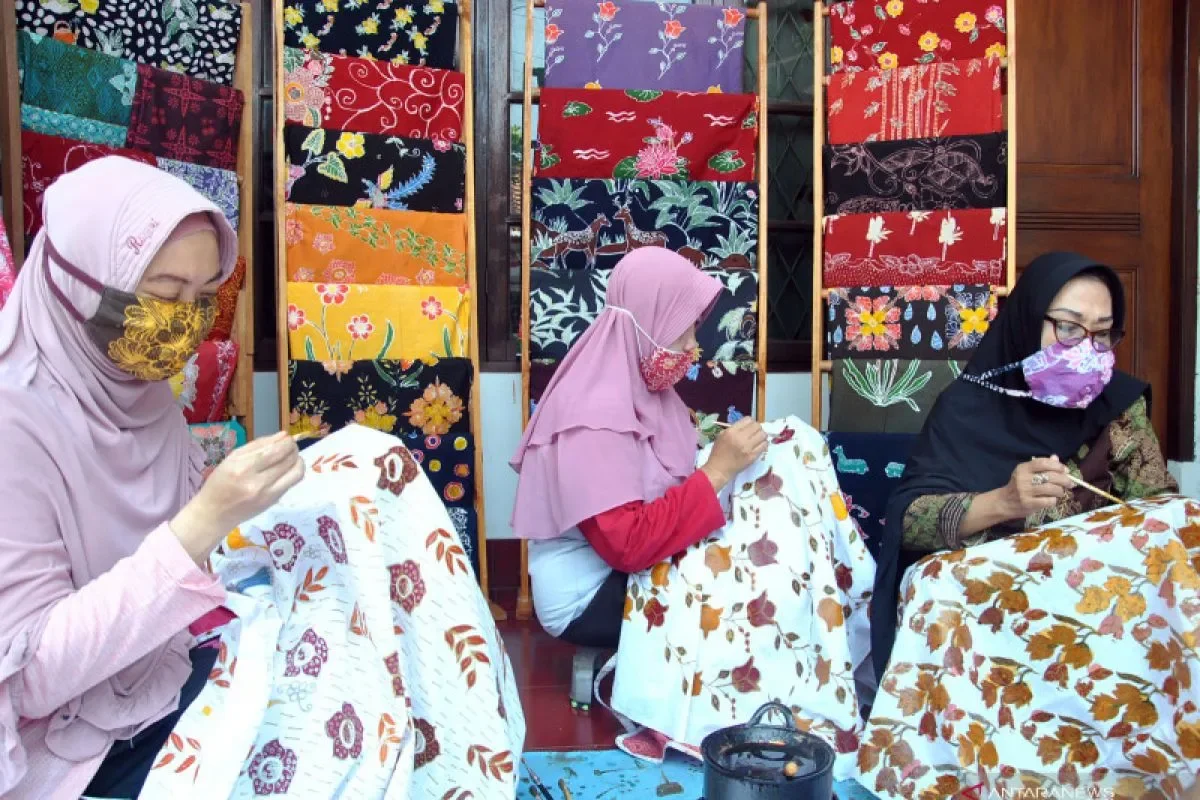
RRI.CO.ID, Jakarta - The Indonesian Ministry of Industry has launched an aggressive consumer education campaign to help the public differentiate between authentic, handcrafted batik and mass-produced batik-patterned printed textiles, a move designed to protect local artisans and elevate small and medium enterprises (IKMs).
The initiative comes as the national batik industry experiences a robust resurgence across both domestic and international markets, driven by a growing sense of cultural pride among the younger generation.
"Currently, the batik industry continues to show a positive trend in both domestic and international markets. Exports are rising, and the younger generation is increasingly proud to wear batik, which reflects the nation's cultural identity," Industry Minister Agus Gumiwang Kartasasmita said in an official release on Tuesday, July 14, 2026.
According to data from Central Bureau of Statistics (BPS), the strategy is backed by strong economic indicators, with Indonesian batik exports reaching US$30.62 million in 2025, marking a significant 13.03 percent year-on-year growth. However, Agus warned that the expansion faces severe headwinds from an influx of cheap, machine-printed fabrics featuring replicated batik motifs.
"These products are marketed at much cheaper prices and can be mass-produced in a short time. This condition has the potential to displace authentic batik from both the market standpoint and the appreciation of its cultural value," Agus cautioned.
To protect consumers, the Minister outlined the defining characteristics of genuine batik. Authentic pieces are meticulously crafted using hot wax (malam), which causes the dye to penetrate completely through the fabric, making the patterns visible on both sides.
"Authentic batik generally carries a distinctive aroma of wax, and the motif lines are not always perfectly precise because they are done manually. Furthermore, the price reflects the time and skill invested in its creation," Agus explained, urging the public to embrace the artisanal value of true craftsmanship.
To formalize these protection efforts, the Ministry's Director General of Small, Medium, and Miscellaneous Industries (IKMA), Reni Yanita revealed that the government is actively rolling out "Batikmark" certification assistance. The official seal serves as a legal stamp of authenticity for Indonesian batik products.
"With Batikmark, the products of our fostered IKMs have clear proof of authentication so that consumers can recognize their genuineness. Batikmark also provides the protection and added value they rightfully deserve," Reni said.
Beyond authentication, the IKMA Directorate General is reinforcing the trade ecosystem by providing technical guidance on production efficiency, securing Geographical Indications, structuring Domestic Component Level (TKDN) certifications, and modernizing production machinery.
Director of Chemical, Clothing, and Handicraft Industries at IKMA, Budi Setiawan added that cross-sector collaborations are underway to expand market access, highlighted by the upcoming Puspa Nuswantara 2026 Indonesian Batik Art Exhibition, which aims to bridge the gap between premium artisans and contemporary consumers to secure the industry's future. ***
News Recomendation
Loading latest news.....