



ADB Maintains Indonesia’s 2026 Growth Projection at 5.2 Percent
- 10 Jul 2026 15:46 WIB
- Voice of Indonesia
Key Points
- The ADB maintained Indonesia’s 2026 growth projection at 5.2 percent, according to the July Asian Development Outlook.
- The ADB raised Indonesia’s inflation forecast to 3 percent, still below the Southeast Asian average of 3.9 percent.
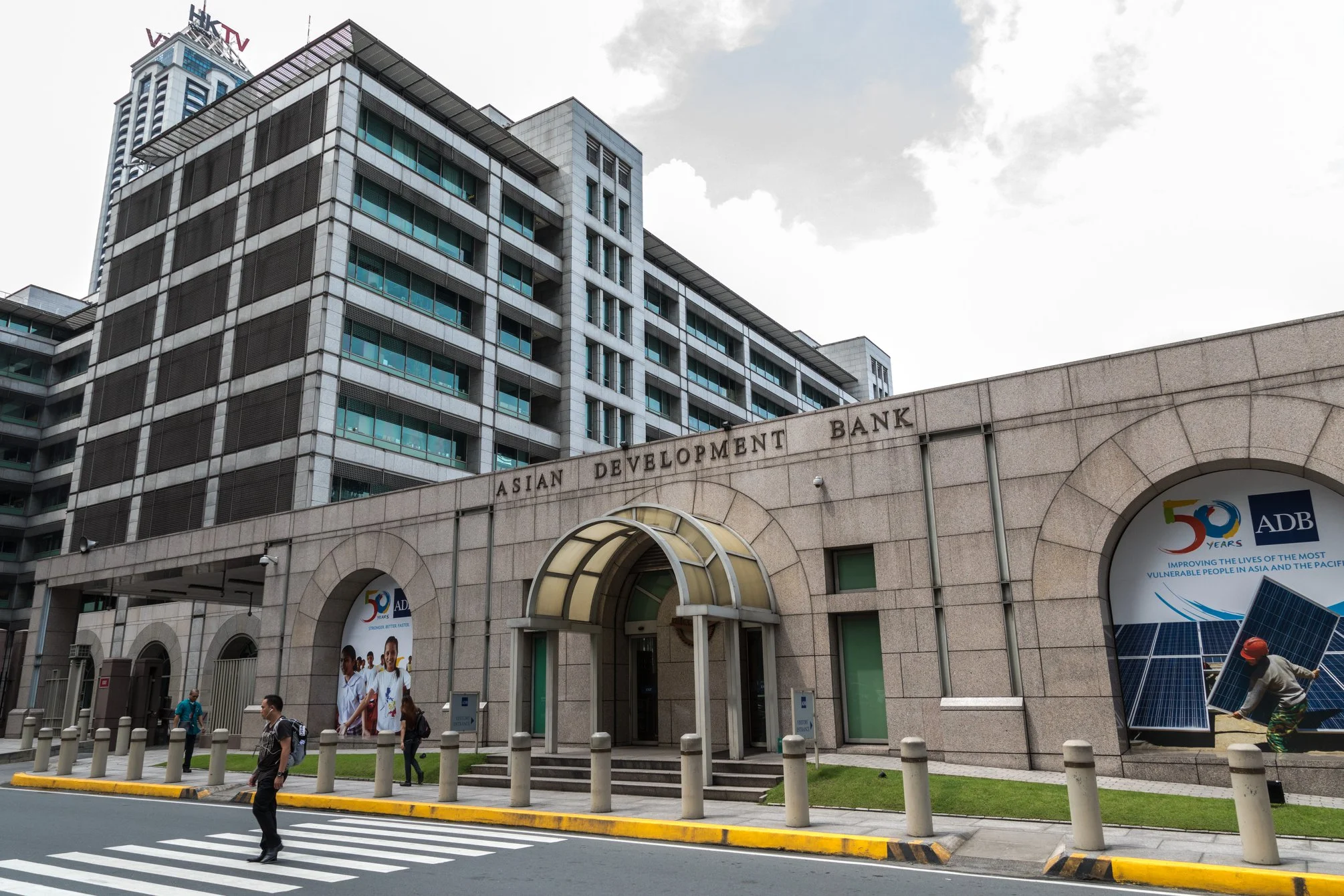
RRI.CO.ID, Jakarta - Indonesia’s economic growth outlook remains strong despite a slowdown in Southeast Asia, with the Asian Development Bank (ADB) maintaining its 2026 projection at 5.2 percent.
According to the July edition of the Asian Development Outlook (ADO), Indonesia is projected to record the second-highest growth rate in Southeast Asia, behind Vietnam at 7.2 percent. Indonesia’s projection is also higher than those of Malaysia, the Philippines, and Thailand.
“If all goes well, the implementation of the framework agreement will help normalize the global energy market, but how quickly that adjustment will occur remains highly uncertain, with significant risks of deterioration,” ADB Chief Economist Albert Park said in Jakarta on Friday, July 10, 2026, as quoted by Antara.
Park noted that developing economies in Asia and the Pacific remain relatively resilient despite geopolitical pressures. He added that governments need to balance efforts to promote growth with measures to control inflation.
The ADB revised its growth forecast for Southeast Asia down to 4.6 percent from 4.7 percent, while the Asia-Pacific projection was lowered to 4.9 percent from 5.1 percent in April.
These revisions reflect prolonged disruptions in the global energy market caused by conflict in the Middle East, which have affected energy, fertilizer, and commodity prices as well as supply chains. The ADB also raised its inflation projection for Indonesia to 3 percent, though this remains below the Southeast Asian average of 3.9 percent.
The ADB cautioned that risks of an economic slowdown persist, stemming from escalating geopolitical conflicts, global trade uncertainty, tightening financial conditions, and rising fertilizer prices that could disrupt food production. ***
News Recomendation
Loading latest news.....