



Indonesia’s Creative Industry Needs Stronger Human Resource Base
- 06 Jul 2026 12:25 WIB
- Voice of Indonesia
Key Points
- Improving the quality of human resources is considered a key factor in strengthening the competitiveness of Indonesia’s creative industries.
- Indonesia’s abundant workforce needs to be supported through education, training, and certification to align with the needs of the business world.
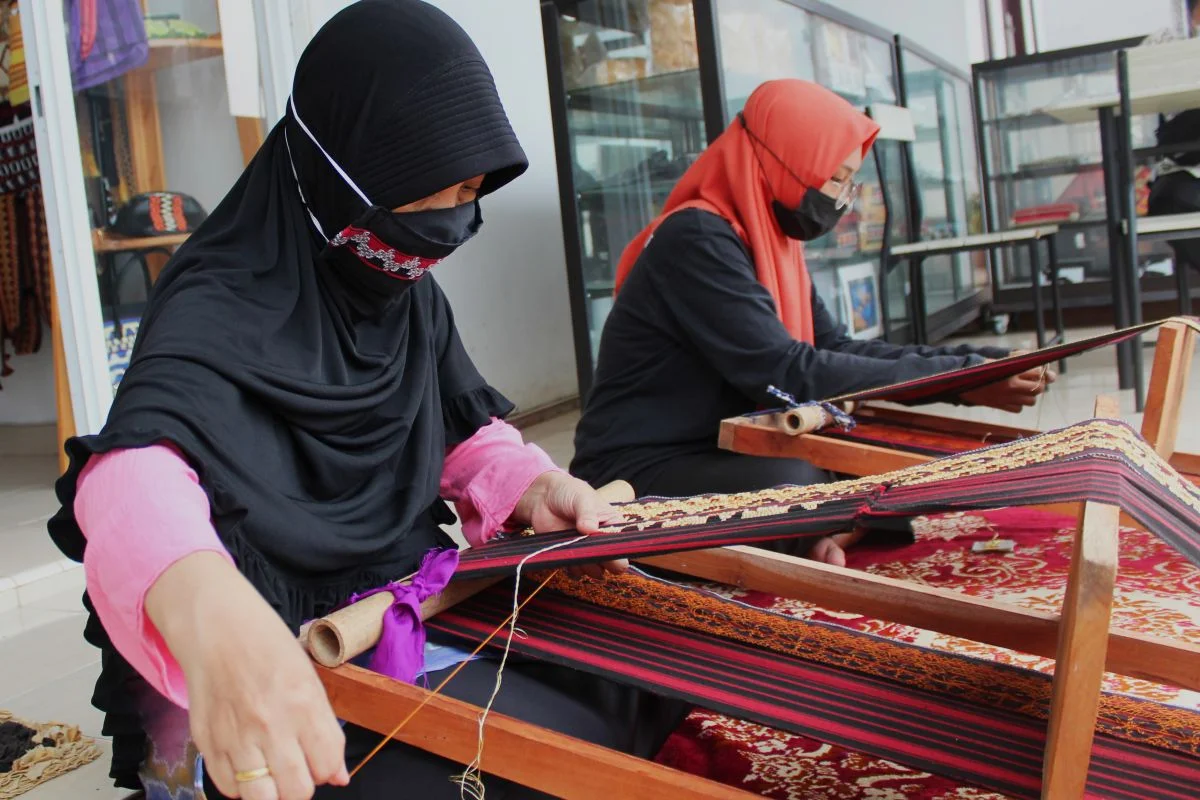
RRI.CO.ID, Jakarta - Improving the quality of human resources is seen as a key factor in strengthening the competitiveness of Indonesia’s creative industries. Such efforts are also expected to reduce the shortage of skilled workers that many sectors continue to face.
The Director General of the Center of Economic and Law Studies (Celios), Bhima Yudhistira, said Indonesia possesses a significant asset: a labor force of 153 million people, based on 2025 data from the Central Bureau of Statistics (BPS).
“However, only 12.66 percent hold a college degree, and more than 30 percent of companies struggle to recruit qualified talent,” Bhima said in Jakarta on Monday, July 6, 2026, as quoted by Antara.
He emphasized that this potential must be supported through education, training, and certification to align with industry needs.
Bhima noted that demand for skilled workers, particularly in the digital economy sector, will continue to rise through 2030. Without accelerating talent development, companies are expected to increasingly rely on artificial intelligence (AI) and machine learning to fill the gap.
He described this situation as an opportunity for the government, educational institutions, and industry players to accelerate the creation of digital talent. This step is crucial for Indonesia to meet domestic industry needs while capitalizing on technology-driven economic opportunities.
“The most critical issue is the disparity caused by geographic concentration. As much as 58 percent of the creative industry workforce is still concentrated in three provinces in Java, while in Eastern Indonesia the percentage is very small,” Bhima said.
He advocated aligning educational curricula with industry needs through internship programs and professional certification. Such policies are expected to accelerate the development of a ready-to-work labor force while strengthening subsectors such as gaming, animation, software, digital content, culinary arts, fashion, and crafts.
Bhima added that protections for workers in the creative economy -- especially those in the informal sector -- must be reinforced.
With improved skills, equitable talent distribution, and stronger labor protections, the creative industries have the potential to become one of the main drivers of national economic growth while creating quality jobs across regions. ***
News Recomendation
Loading latest news.....