



South Korea’s Demand for Indonesian Fashion MSMEs Rises
- 02 Jul 2026 22:14 WIB
- Voice of Indonesia
Key Points
- Indonesia’s ASEAN Panorama 2026 presence at Seoul ASEAN Hall attracted USD 1.95 million in transactions by May 2026.
- Indonesia–South Korea trade reached USD 7.61 billion from January to May 2026, according to Trade Ministry data.
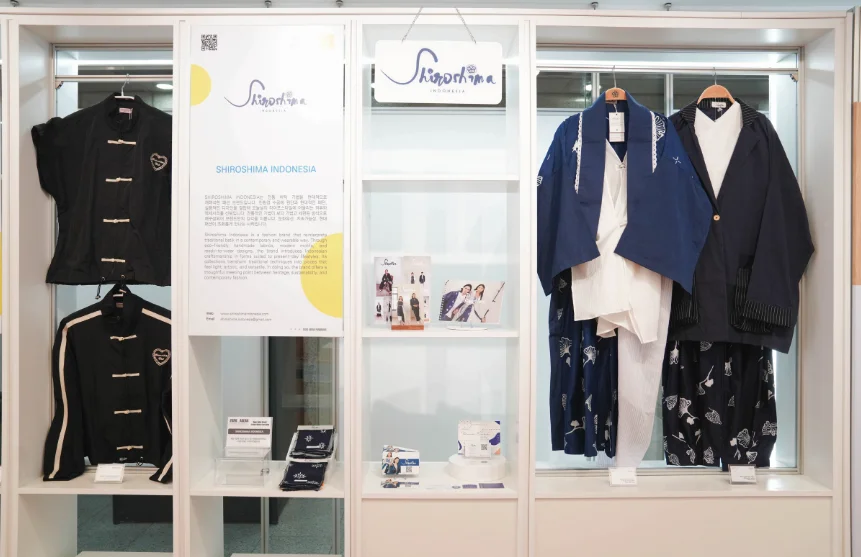
RRI.CO.ID, Jakarta - Indonesian MSME fashion products received positive responses from South Korean consumers.
By the end of May 2026, Indonesia’s participation in ASEAN Panorama 2026 at the Seoul ASEAN Hall, Korea Press Center, Seoul, recorded potential transactions worth USD 1.95 million. The exhibition runs for five months, from May to September 2026.
Indonesian Trade Attaché in Seoul, Roesfitawati, said the achievement reflects strong market interest in Indonesian MSME products, particularly fashion items that highlight quality, uniqueness, and cultural values.
“Through collaboration with the ASEAN-Korea Centre (AKC), we continue to connect Indonesian MSMEs with importers and potential buyers through promotional activities and business matching. Going forward, we will expand market access so more Indonesian MSMEs can enter the South Korean market,” Roesfitawati said, as quoted on the Trade Ministry’s website.
ASEAN Panorama 2026 is an annual trade promotion program organized by the ASEAN-Korea Centre. In addition to product exhibitions, it features business matching, export seminars, and visits to companies and business centers to connect ASEAN businesses with potential partners in South Korea.
This year, Indonesia and Brunei Darussalam opened the exhibition in May.
The Directorate General of National Export Development curated 10 Indonesian MSMEs: PT Alfazza, PT Kayo Hanania, Bali Glams, CV Gammara Jaya Mondial, PT Haidee Orlin Indonesia, IKIDS Indonesia, PT Porto Indonesia Sejahtera, CV Rumah Jeddiah, Shiroshima Indonesia, PT Tirta Arta Persada, and Zante. They showcased fashion and lifestyle products, including clothing, bags, footwear, and accessories, highlighting Indonesia’s creativity and cultural richness.
Participants also joined seminars on financing and market development, business matching with importers, including Jeongjin B2B, K-Networks, and Musinsa, and visits to Natural Week 2026 and Samsung C&T Fashion Group.
These activities provided deeper insights into market trends, consumer preferences, and requirements for entering the South Korean market.
Indonesian Ambassador to South Korea Cecep Herawan praised ASEAN Panorama 2026 as a catalyst for strengthening ASEAN–Korea economic cooperation. He said the event also supports Indonesia–South Korea bilateral ties, especially after President Prabowo Subianto’s state visit to Seoul in March 2026.
“ASEAN Panorama 2026 not only opens market access opportunities for Indonesian products but also strengthens soft power and ASEAN solidarity by bringing member countries together on a single promotional platform,” Cecep said.
IKIDS Founder Melati Nurani Nayu said the exhibition opened export opportunities, expanded networks with distributors, and provided insights into South Korea's fashion industry trends. “We also broadened our network with distributors and gained knowledge about industry developments through a visit to Samsung C&T Fashion Group,” she said.
Musinsa Marketing Manager Nara Kim noted that Indonesian fashion products have a strong character by combining craftsmanship and culture. She highlighted handmade processes, limited production, and product storytelling as added value that attracts South Korean consumers.
However, she stressed the importance of meeting product safety standards and using sustainable raw materials to boost competitiveness.
According to Trade Ministry data, Indonesia’s total trade with South Korea from January to May 2026 reached USD 7.61 billion, with exports valued at USD 4.05 billion and imports at USD 3.56 billion.
In 2025, total trade stood at USD 18.04 billion, with exports at USD 10.14 billion and imports at USD 7.90 billion.
Indonesia’s major non-oil and gas exports to South Korea included coal, bituminous coal, lithium-ion batteries, copper ore and concentrates, and fatty acids from refining. Imports included electronic storage devices, integrated circuit components, electronic processors, ferro-molybdenum, and cosmetics. ***
News Recomendation
Loading latest news.....