



Indonesia Sets July 2026 Reference Prices for Cocoa and Forestry Exports
- 01 Jul 2026 22:05 WIB
- Voice of Indonesia
Key Points
- Cocoa Bean Reference Price Rises in July 2026 to USD 3,969.56 per metric ton, up 3.59 percent from the previous month.
- Export Reference Prices for Forestry Products Vary, with increases in pine resin and natural forest veneer, but declines in plantation veneer and several processed wood products.
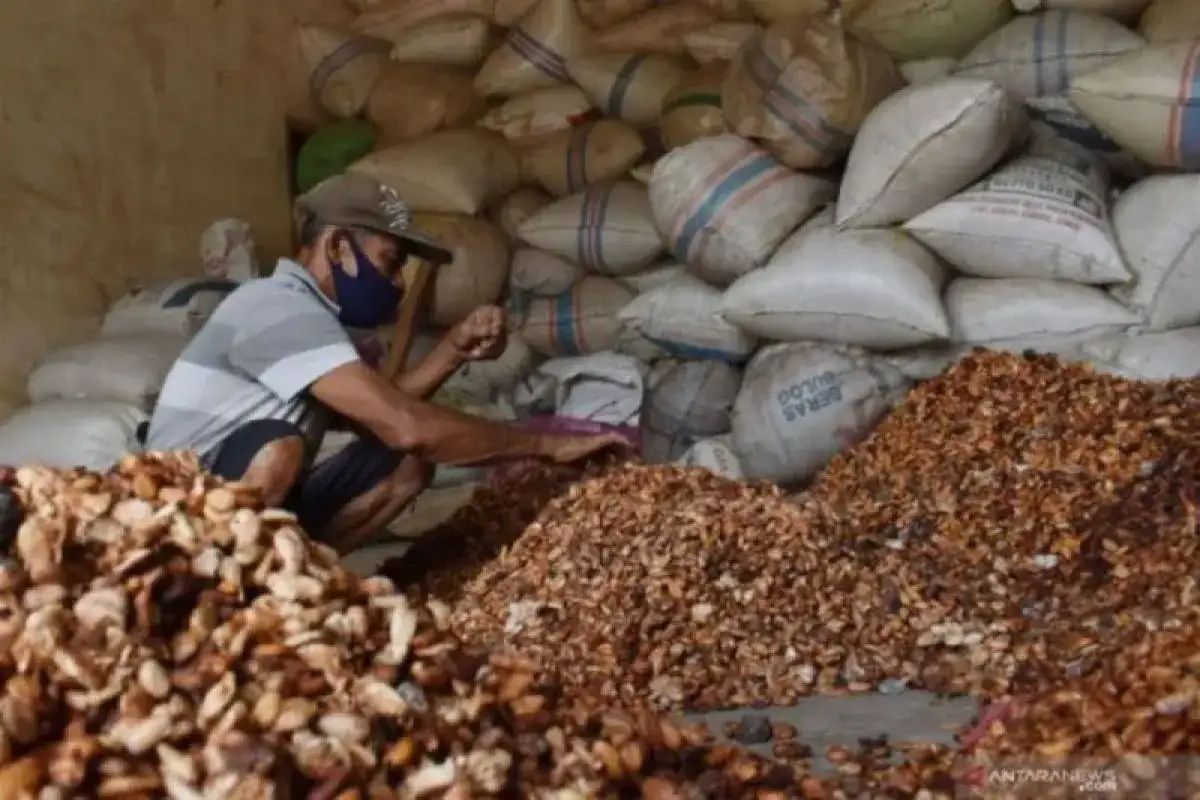
RRI.CO.ID, Jakarta - The Indonesian Ministry of Trade has set the Reference Price (RP) for cocoa beans for July 2026 at USD 3,969.56 per metric ton (MT), a 3.59 percent increase from the previous month. This increase pushed the Export Reference Price (ERP) for cocoa beans to USD 3,646 per MT.
“The rise in the RP and ERP for cocoa beans was driven by ongoing supply disruptions caused by adverse weather and declining production in major cocoa-producing countries in West Africa,” said the Ministry’s Director General of Foreign Trade, Tommy Andana, in a statement in Jakarta, as quoted on the ministry’s official website on Wednesday, July 1, 2026.
The export duty (BK) rate for cocoa beans this period is set at 7.5 percent, in accordance with Column 4 of Appendix B of Minister of Finance Regulation (PMK) No. 38/2024, as amended by PMK No. 68/2025. The Export Levy (PE) on cocoa beans is also 7.5 percent, in line with Appendix C of PMK No. 69/2025 in conjunction with PMK No. 9/2026.
For forestry commodities, the ERP for leather products in July 2026 remained unchanged from the previous month. Meanwhile, the ERP for pine resin rose to USD 1,002 per MT, up USD 22, or 2.24 percent, from June 2026.
In the wood products category, ERP rose for several commodities, including veneer from natural forests and processed wood products with a cross-sectional area of 1,000–4,000 mm² from assortments such as ebony, as well as plantation forests of pine, gmelina, and sengon.
Conversely, ERP prices declined for veneer from plantation forests, wooden sheets for packing boxes, wood chips or particles, and processed wood products with a cross-sectional area of 1,000–4,000 mm² from species such as meranti, mixed tropical hardwood, teak, and plantation forests of acacia, rubber, balsa, and eucalyptus.
Meanwhile, the ERP for chipwood, wood chips or particles, processed merbau wood, processed sungkai wood, and special-grade processed merbau wood with a cross-sectional area of 4,000–10,000 mm² remained unchanged compared to the previous period. ***
News Recomendation
Loading latest news.....