



Banyumas Businesses Strengthen Coconut Sugar Export Infrastructure
- 28 Jun 2026 18:38 WIB
- Voice of Indonesia
Key Points
- Banyumas Regency is a major producer of coconut sugar, supplying about 90 percent of global demand.
- Local administration supports cooperatives, supply chain monitoring, and organic certification, which provides incentives of IDR 5,000 per kilogram for members meeting organic standards.
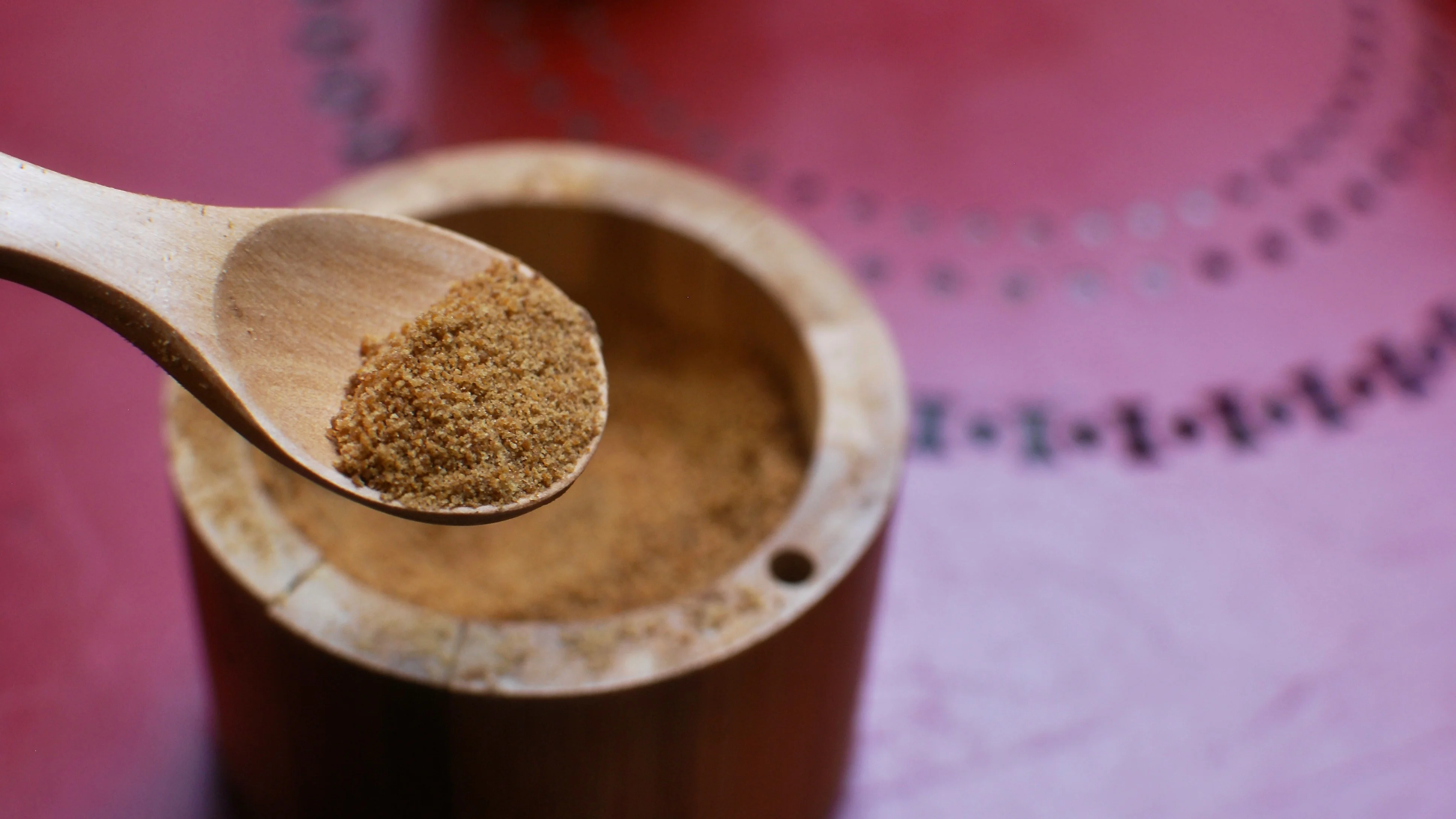
RRI.CO.ID, Purwokerto - Maintaining the Banyumas coconut sugar export market is considered a greater challenge than opening it.
Amid strong global demand, businesses and the government are working to sustain market trust by strengthening product quality, securing organic certification, improving the supply chain, and providing supporting export infrastructure.
Banyumas Regency is one of Indonesia’s main coconut sugar centers.
Regent Sadewo Tri Lastiono said Indonesia supplies about 90 percent of the world’s coconut sugar, with roughly 80 percent coming from the Greater Banyumas region, which includes Banyumas, Cilacap, Purbalingga, and Banjarnegara.
Global market confidence was reaffirmed with the export of USD 46,000 worth of crystal coconut sugar to Chicago, United States, by PT Integral Mulia Cipta (IMC) in Banyumas on Thursday, June 25, 2026. The company processes produce from local farmers.
However, Sadewo noted that maintaining a reputation in the international market is no easy task. He recalled that four containers of palm sugar were rejected in Germany during the COVID-19 pandemic after contamination with refined sugar was detected in one link of the trade chain. “A single mistake can destroy years of trust,” he said.
To prevent such incidents, the local administration is encouraging stronger cooperatives, tighter supply chain monitoring, and expanded organic certification. Certification also provides additional economic value, with cooperative members receiving an incentive of about IDR 5,000 per kilogram for meeting organic standards.
Another challenge is the absence of an internationally standardized palm sugar testing laboratory in Banyumas. Currently, testing is conducted in Europe, which requires more time and incurs higher costs. The administration has proposed building a laboratory worth around Rp8 billion to expedite exports and strengthen market confidence.
On the production side, the Banyumas government has begun promoting the cultivation of dwarf coconuts, which are safer to harvest and reduce risks for tappers. This effort is supported by 10,000 seedlings from the Ministry of Agriculture.
Trade Minister Budi Santoso stressed the importance of complete export documents, including Certificates of Origin (SKA), so Indonesian products can receive preferential tariffs in destination countries and remain competitive.
To support this, the Certificate of Origin Issuing Agency (IPSKA) was inaugurated in Banyumas, bringing services closer to exporters and MSMEs.
Meanwhile, the Coordinating Ministry for Community Empowerment launched a pilot project for an export‑based community empowerment ecosystem in Cilongok Subdistrict. The program connects farmers, cooperatives, businesses, universities, banks, and government agencies to strengthen export competitiveness and improve community welfare.
“We will strive to establish a specialized laboratory to control the quality of organic sugar, which is required for exports to several countries. The government will continue to find solutions to ensure the economic cycle and export ecosystem operate more productively,” said Coordinating Minister Muhaimin Iskandar.
These efforts highlight that the success of coconut sugar exports depends not only on product quality but also on supply chain governance, certification, testing infrastructure, trade services, and collaboration among stakeholders to maintain international market confidence. ***
News Recomendation
Loading latest news.....