



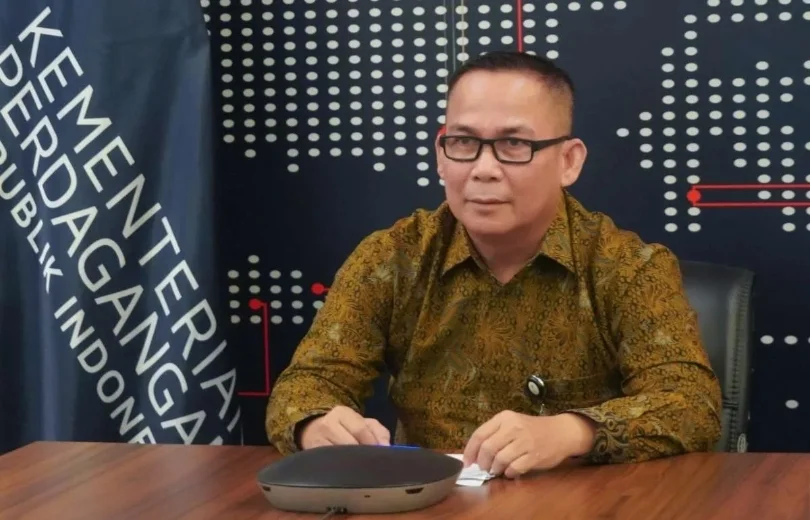
RRI.CO.ID, Jakarta - Indonesian Ministry of Trade pushes the transformation of traditional markets into safer, cleaner, more comfortable, and more competitive shopping spaces. The move is aimed at increasing public trust, strengthening local economies, and improving the welfare of market traders.
The message was highlighted during the 2026 SNI Traditional Market Webinar, held on Wednesday, June 17, by the Ministry of Trade through the Directorate General of Consumer Protection and Trade Compliance.
In a separate statement, Director General of Consumer Protection and Trade Compliance Moga Simatupang, said traditional markets play an important role in the national economy and must continue to be strengthened through clear and measurable standards.
“Traditional markets are not only places for buying and selling. They are also economic spaces that support the lives of millions of people, from traders, MSMEs, farmers, and fishermen to consumers. Therefore, improving the quality of traditional markets is a long-term investment to strengthen regional economies and support inclusive and sustainable national development,” Moga said in an official statement.
According to Statistics Indonesia, the trade sector contributed 13.17 percent to the national gross domestic product in 2025. It was also the second-largest employment sector in the country, absorbing around 27.45 million workers, or 18.73 percent of Indonesia’s total workforce.
Moga said changing consumer behavior has pushed traditional markets to keep improving, as people now expect not only affordable prices, but also clean, safe, healthy, and comfortable shopping environments. “Traditional markets must be able to adapt. When people feel comfortable shopping, consumer trust increases, trade activity grows, and in the end, the welfare of traders also improves,” he said.
To support this transformation, the government is encouraging the implementation of SNI 8152:2025 for Traditional Markets as a guideline for market development, revitalization, management, and improvement across Indonesia. So far, 124 traditional markets in various regions have received conformity certificates based on the SNI Traditional Market standard.
“That number still needs to continue increasing. Strong collaboration is needed among the central government, regional governments, market managers, business actors, conformity assessment bodies, academics, and all stakeholders so that the transformation of traditional markets can move faster and more evenly,” Moga stressed.
Meanwhile, Director of Standardization and Quality Control Sukoco, who opened the webinar on behalf of the Director General, said the implementation of SNI 8152:2025 is no longer merely an option, but a necessity for traditional markets that want to remain relevant and trusted by the public.
| Baca juga: Oil Nears $100 as Markets Hold Steady |
He explained that the standard covers not only market buildings and facilities, but also governance, service quality, environmental management, safety, comfort, and protection for consumers and business actors. “Markets that meet the standard will be more trusted by the public, more attractive to consumers, create a more orderly business environment, and ultimately improve the welfare of traders and consumer protection,” Sukoco said.
He also encouraged regional governments to make SNI 8152:2025 the main reference in traditional market development and management. He said simple steps, such as maintaining cleanliness, managing waste, arranging trader zones, ensuring facilities work properly, and providing responsive security systems, can make a major difference.
“SNI-certified traditional markets must be seen as an investment in regional development. Well-organized and high-quality markets will strengthen local trade activities, support the growth of MSMEs, and increase regional revenue,” he said.
News Recomendation
Loading latest news.....