



Indonesia’s PMI Hits 50.0 in May, Reflects Operational Improvements
- 03 Jun 2026 12:58 WIB
- Voice of Indonesia
Key Points
- Data from S&P Global shows Indonesia’s Manufacturing PMI stood at 50.0 in May 2026, up from 49.1 in April, signaling improved sector conditions.
- Industrial Confidence Index rose to 53.56 in May from 51.75 in April, reinforcing optimism in the national manufacturing sector.
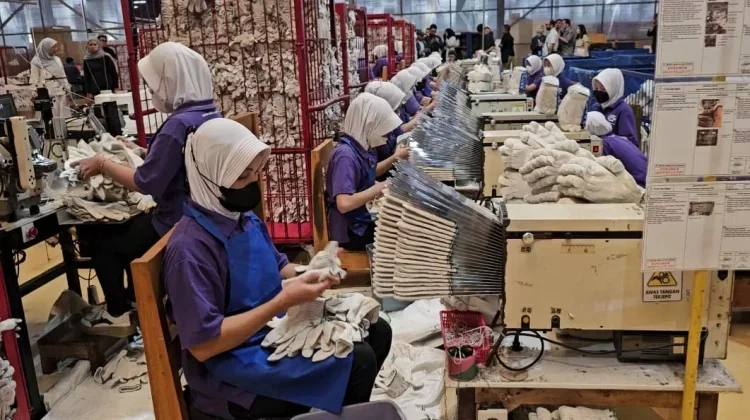
RRI.CO.ID, Jakarta - Indonesia’s manufacturing sector showed further improvement in May 2026, with national industrial activity returning to the neutral point toward expansion after previously being in contraction.
Data from S&P Global recorded Indonesia’s Manufacturing Purchasing Managers’ Index (PMI) at 50.0 in May, up from 49.1 in April. The increase reflects better operational conditions in the manufacturing sector amid global supply chain challenges and uncertainty over imported raw materials.
Industry Minister Agus Gumiwang Kartasasmita said the rise in the PMI demonstrates the industry’s ability to maintain production continuity despite global economic dynamics.
“Industry players are taking proactive steps by bolstering raw material inventories to ensure production activities continue over the next few months,” he stated in Jakarta on Wednesday, June 3, 2026, as quoted on the ministry’s official website.
Minister Agus noted that the PMI increase reflects not only stronger industrial activity but also companies’ strategies to expand raw material reserves. This measure anticipates supply disruptions and potential import price hikes.
He explained that Indonesia’s current import structure consists of about 70 percent raw and auxiliary materials, 15 percent capital goods such as machinery and equipment, and the remainder consumer goods.
| Baca juga: Oil Nears $100 as Markets Hold Steady |
“With global logistics challenges and rising uncertainty over imported raw materials, industries are choosing to increase their stockpiles to ensure operational continuity,” Minister Agus said.
He revealed that many companies are now maintaining raw material stockpiles for up to six months, compared with the previous average of three months. This policy is crucial for industries with continuous production processes, such as petrochemicals, ceramics, glass, and nickel processing.
“If facilities like petrochemical plants are completely shut down, the time required to return to normal capacity can be quite long, at least two weeks. Similar conditions apply to industries using furnaces, such as ceramics, glass, and nickel processing. Ensuring raw material availability is therefore essential,” he explained.
Minister Agus added that companies are also securing supplies to prepare for possible raw material price increases, since adjusting product prices in the market cannot be done immediately.
“Manufacturing companies must balance production continuity with price competitiveness. When raw material prices are likely to rise, they secure supplies first because price adjustments cannot be made instantly,” he said.
The Ministry of Industry noted that this positive trend aligns with the rise in the Industrial Confidence Index (ICI), which climbed to 53.56 in May from 51.75 in April.
Meanwhile, S&P Global reported that increased new orders, particularly from the domestic market, were the main driver of the PMI improvement, although production costs and raw material supply pressures remain.
“The simultaneous rise in both the PMI and ICI in May 2026 signals that the national manufacturing sector still possesses strong resilience. The industry continues to maintain production activities while anticipating risks from external factors,” Minister Agus said. ***
News Recomendation
Loading latest news.....