



BI Expands Forex Instruments for Resource Export Proceeds
- 22 Mei 2026 15:04 WIB
- Voice of Indonesia
Key Points
- Bank Indonesia (BI) expands instruments for placing foreign exchange proceeds from natural resource exports (DHE SDA), giving exporters greater flexibility.
- BI widens DHE SDA placements to include currencies beyond the USD, such as the Chinese yuan, supporting local currency settlement and forex market deepening.
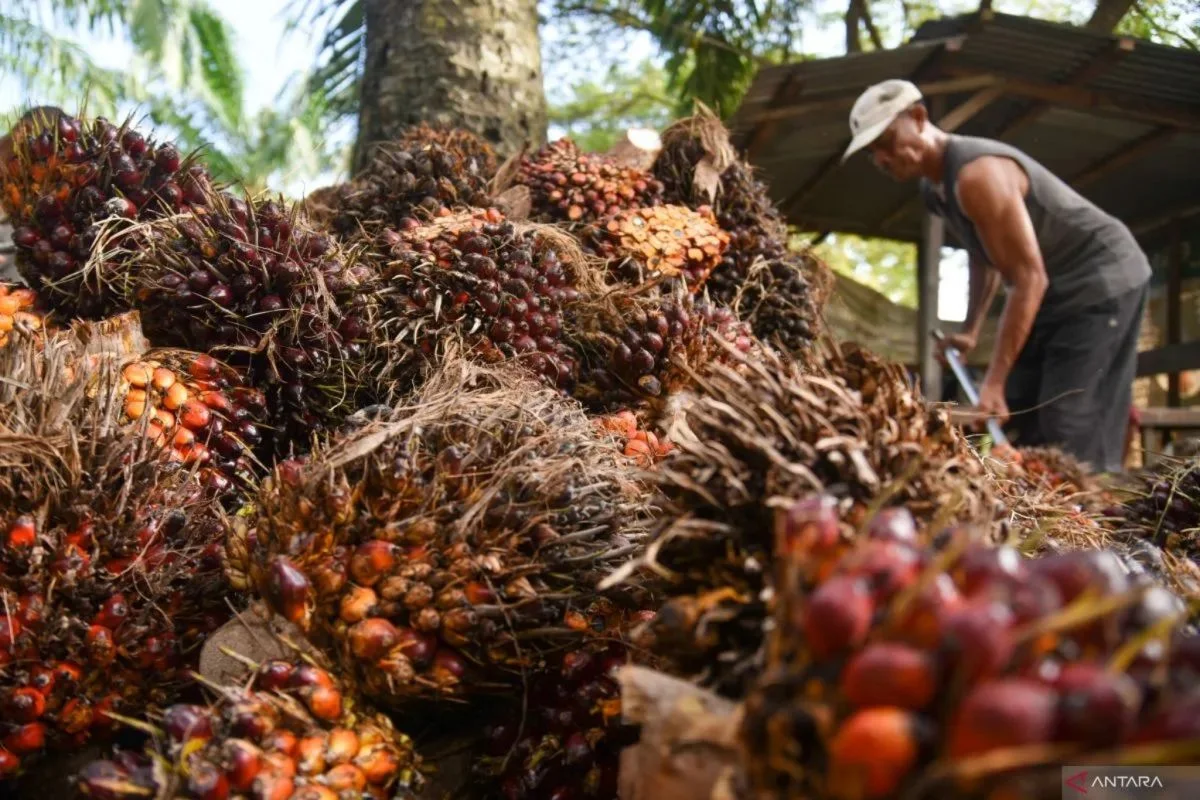
RRI.CO.ID, Jakarta - Bank Indonesia (BI) is expanding the instruments for placing foreign exchange proceeds from natural resource exports (DHE SDA) to provide exporters with greater flexibility and strengthen the use of foreign exchange for national economic needs.
BI Governor Perry Warjiyo said the expansion is part of BI’s support for implementing the DHE SDA policy, which requires exporters to channel their proceeds through Indonesia’s financial system.
“We will coordinate with Coordinating Minister Airlangga Hartarto regarding cooperation with which countries and which banks, beyond state‑owned banks (Himbara), are involved,” Perry said at the Coordinating Ministry for Economic Affairs office in Jakarta on Thursday, May 21, 2026.
| Baca juga: JCI Volatile as Market Tracks Fed Sentiment |
Export proceeds will be placed in Himbara banks, while the government is also considering non‑Himbara banks in countries with bilateral trade agreements.
BI has identified several non‑Himbara banks that meet criteria such as asset size, transaction complexity, risk management competence, and international network connectivity. These banks are expected to provide quality services that meet the needs of the state, the economy, and business operators.
BI is ensuring that export proceeds entering the domestic banking system are not merely held in reserve but are utilized to support business activities and national economic financing. One of the instruments prepared is the DHE SDA term deposit, which can be used in transactions between exporters and banks as well as between banks and BI.
BI is also expanding the use of currencies beyond the USD, including the Chinese yuan, in line with the growing volume of Indonesia‑China local currency settlement (LCT) transactions.
Perry noted that Indonesia‑China LCT transactions exceeded USD 25 billion last year, with monthly transactions this year averaging USD 3.7 billion. BI has collaborated with the People’s Bank of China and several national banks to support flexible yuan transactions in the domestic market.
Meanwhile, Coordinating Minister for Economic Affairs Airlangga Hartarto said the policy on strategic natural resource exports is being implemented in stages, with a transition period before full enforcement. The policy will apply to coal, palm oil, and ferroalloys.
Export documentation is already being processed by state‑owned export companies, with a deadline of December 31, 2026. The first phase of the policy will run from June 1 to December 31, with an evaluation in the first three months.
During this phase, companies may still conduct direct transactions with foreign buyers, but documentation will be handled by designated state‑owned exporters.
“This policy cannot be implemented without cooperation, and the government is not restricting the freedom of business operators. The restructuring is being carried out to ensure long‑term sustainability,” Minister Airlangga said.
The government aims for full implementation by January 1, 2027, when all export transactions, from contracts and shipment to payment, will be managed by state‑owned export enterprises. (Gusti Panji)
News Recomendation
Loading latest news.....