



To Reach Manufacturing Competitivenes, Indonesia Improves Vocational Skills
- 19 Mei 2026 11:03 WIB
- Voice of Indonesia
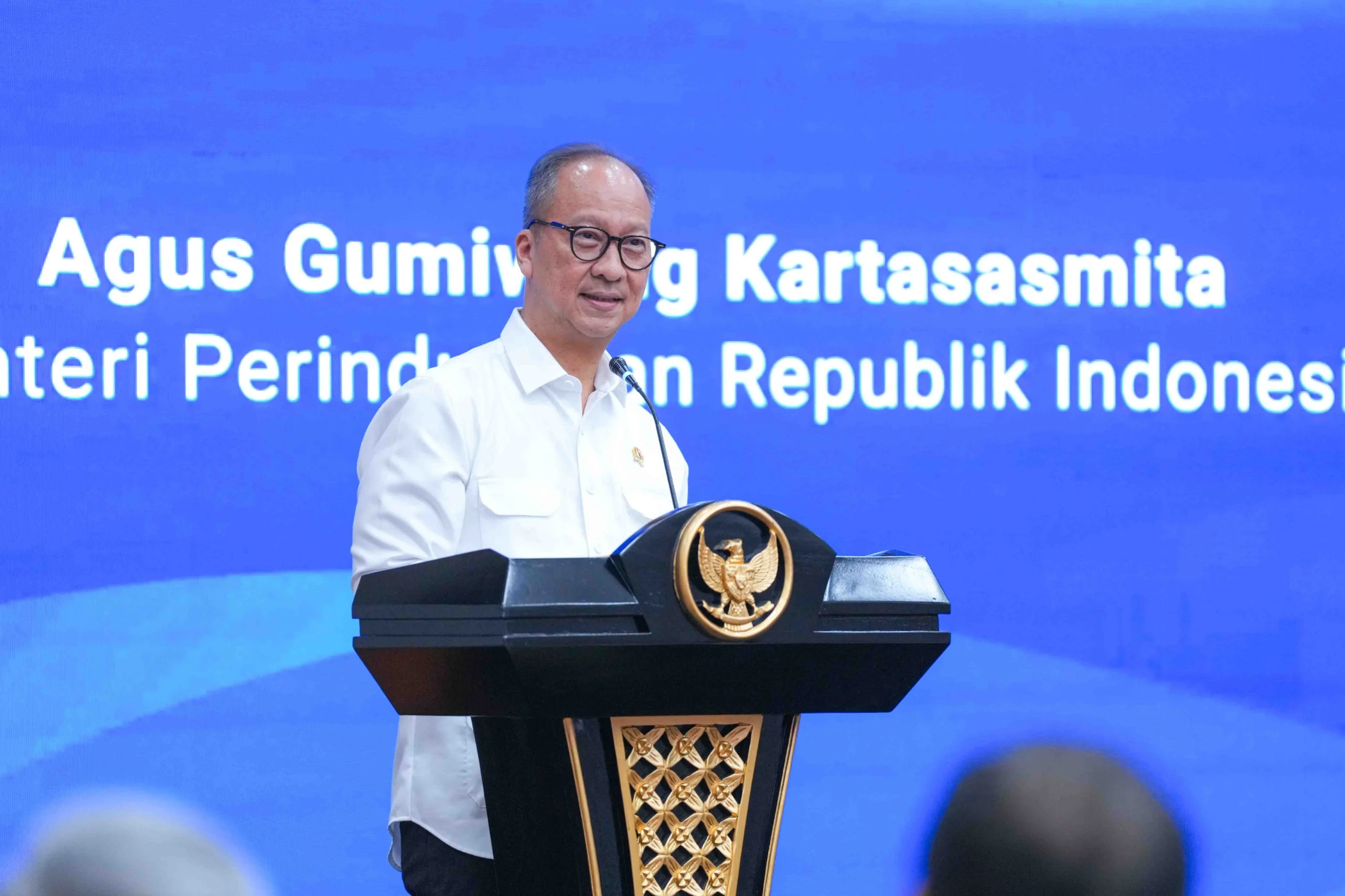
RRI.CO.ID, Jakarta - Indonesia's Minister of Industry, Agus Gumiwang Kartasasmita, stated that the manufacturing sector remains the backbone of Indonesia’s national economy. It contributes the largest share to the country’s gross domestic product (GDP).
This performance was reflected in the manufacturing sector’s contribution of 19.07 percent to GDP in the first quarter of 2026. The sector also recorded annual growth of 5.04 percent year-on-year and became the largest source of economic growth with a contribution of 1.03 percent.
“The government continues to maintain the growth momentum of the national manufacturing industry. One of the keys is preparing an industrial workforce that is competent, adaptive to technological developments, and capable of competing globally,” Agus said in a statement in Jakarta on Tuesday, May 19, 2026.
According to the Minister, winning competition in international markets requires efficient production processes and mastery of modern technology supported by skilled and competent workers. Therefore, the Ministry of Industry continues strengthening industrial vocational education through educational institutions under the Industrial Human Resources Development Agency (BPSDMI), which are spread across various regions in Indonesia.
As part of this effort, the agency has actively established partnerships with various stakeholders, both domestic and international, including the Swiss Government, the Ministry of Tourism, and the Ministry of Primary and Secondary Education. This collaboration was implemented through a socialization event for the Industrial-Based Curriculum (IBC) application held on Friday, May 8, 2026.
Meanwhile, Head of the Industrial Human Resources Development Agency, Doddy Rahadi, explained that strengthening synergy between education institutions and industry is essential to improving the competitiveness of Indonesia’s manufacturing sector amid global competition.
“The IBC application simplifies planning and management for vocational education institutions in implementing Industrial-Based Curriculum activities, from data preparation and process monitoring to integrated documentation of Job Occupational Analysis (JoA) Chart results,” he said.
In addition, the application allows industries to provide input, validation, and reviews for Job Occupational Analysis in a more flexible and structured manner. Through a digitalized system, industries can contribute sustainably to the development of vocational education curricula.
Head of the Industrial Vocational Education Development Center (PPPVI), Wulan Aprilianti Permatasari, emphasized that the IBC application serves as a collaborative platform that strengthens sustainable connections between industry and education.
“Through this outreach program, we hope all participants can understand and optimally utilize the IBC application so that the process of developing industry-based curricula becomes more effective, efficient, and impactful,” Wulan said.
News Recomendation
Loading latest news.....