



Rupiah Will Stabilize due to Robust Economic Fundamentals: BI
- 13 Mei 2026 15:06 WIB
- Voice of Indonesia
Key Points
- BI remains optimistic the rupiah will stabilize and strengthen on solid fundamentals.
- Beyond interventions, BI pursues policies from SRBI rate structure to SBN purchases.
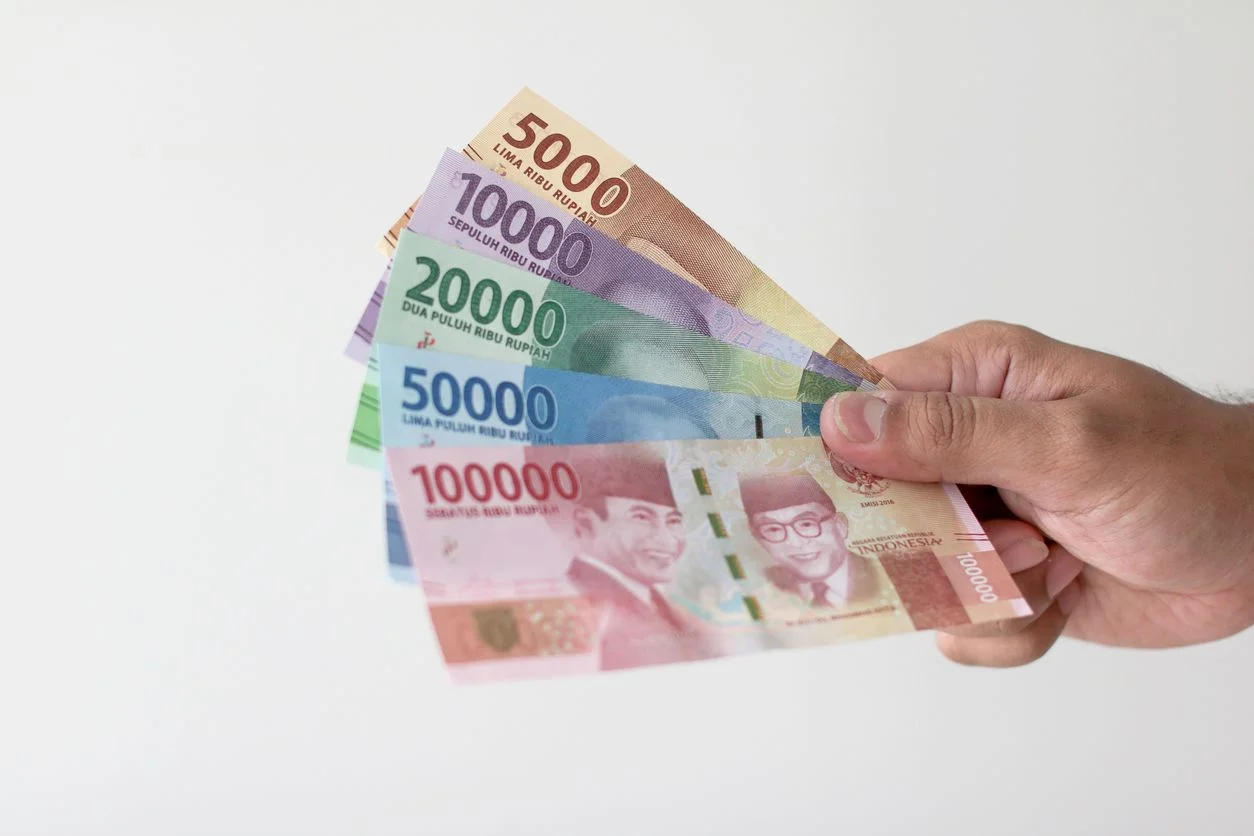
RRI.CO.ID, Jakarta - The Indonesian rupiah came under renewed pressure on Wednesday, May 13, 2026, amid global economic turmoil. Bank Indonesia (BI), however, said it has taken steps to stabilize the currency through market interventions and liquidity measures.
The rupiah briefly touched IDR 17,500 per USD at 11:47 a.m. Jakarta Time on May 13, 2026, as rising global uncertainty weighed on emerging market currencies. The Middle East conflict, higher global oil prices, and the strengthening of the US dollar were cited as key factors behind the weakening trend.
BI’s Executive Director of the Communications Department, Ramdan Denny Prakoso, said the central bank remains optimistic that the rupiah will stabilize and strengthen. “We believe Indonesia’s economic fundamentals are very strong compared to other countries,” he stated in Jakarta on Wednesday, May 13, as quoted by Antara.
Denny explained that BI monitors global markets around the clock to maintain rupiah stability, including through non-deliverable forward (NDF) transactions overseas. “Once the Jakarta market closes, we stand by in the European market, then in the American market, to ensure fluctuations in the rupiah exchange rate remain stable,” he said.
In addition to interventions, BI is implementing six policies: strengthening the interest rate structure of BI Rupiah Securities (SRBI), purchasing Government Securities (SBN) in the secondary market, ensuring liquidity in the money and banking markets, reinforcing foreign exchange market policies, deepening the money and forex markets, and tightening oversight of banks and corporations with high US dollar demand.
He added that pressure on the rupiah was also driven by seasonal factors, including dividend repatriation, external debt payments, and public demand for Umrah and Hajj travel.
“Global dynamics are causing most currencies worldwide to weaken. It’s not just the rupiah. The Philippine peso, Thai baht, Indian rupee, Chilean peso, and South Korean won are also affected,” Denny said.
Foreign portfolio investment recorded net outflows of USD 1.7 billion in the first quarter of 2026. At the start of the second quarter, through April 30, net inflows reached USD 3.3 billion, primarily in SRBI and SBN, driven by higher yields.
Indonesia’s foreign exchange reserves stood at USD 146.2 billion in April 2026, down from USD 148.2 billion in March. The decline was attributed to government debt payments and BI’s stabilization measures, despite additional inflows from tax revenues, services, and the issuance of global bonds. ***
News Recomendation
Loading latest news.....