



Industry Ministry Pushes Paper-Based Aseptic Packaging for Food and Beverages
- 24 Apr 2026 12:45 WIB
- Voice of Indonesia
Key Points
- The Indonesian Ministry of Industry supports the use of paperboard-based aseptic packaging in the food and beverage industry to enhance competitiveness, improve distribution efficiency, and maintain product quality.
- This policy aligns with the government’s efforts to promote sustainable industrial practices.
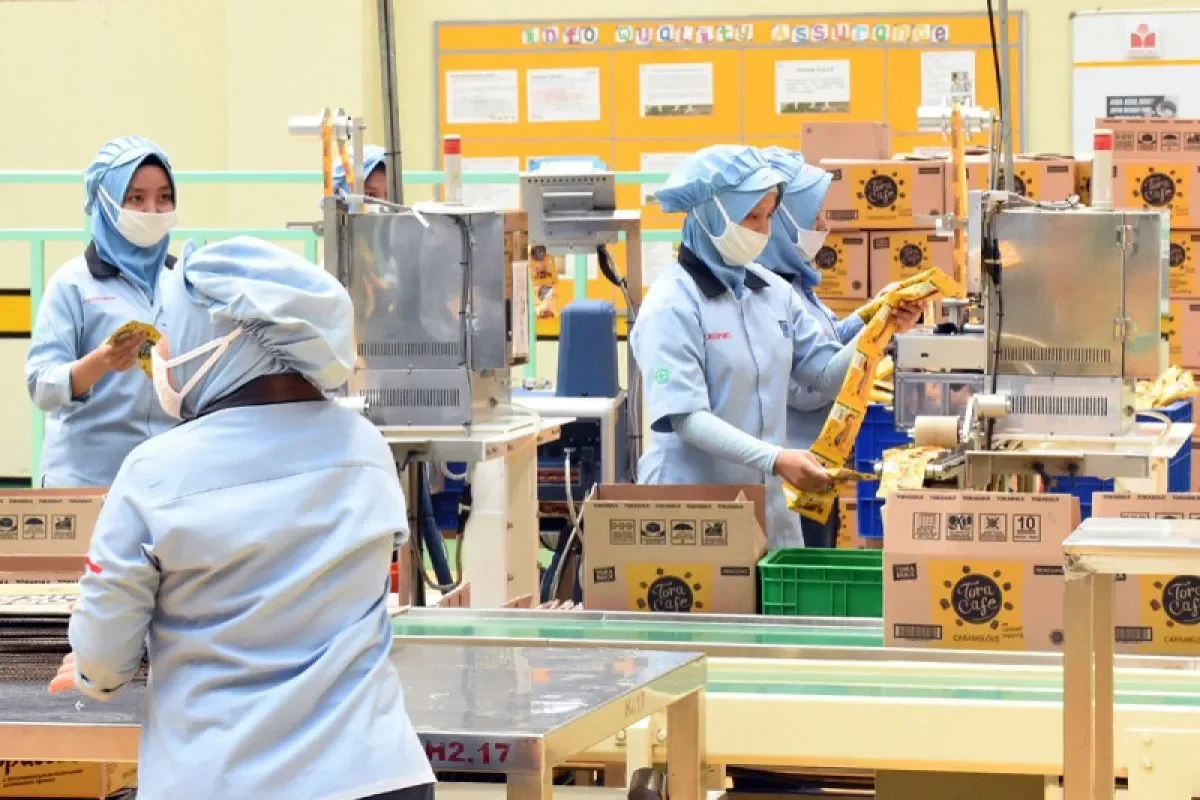
RRI.CO.ID, Jakarta – The Indonesian Ministry of Industry is encouraging the use of paperboard-based aseptic packaging in the food and beverage sector.
The solution is considered strategic as it enhances competitiveness, improves distribution efficiency, maintains product quality without preservatives, and reduces reliance on the cold chain.
Industry Minister Agus Gumiwang Kartasasmita said the use of non-plastic packaging continues to expand, with paper packaging now accounting for about 28 percent of the food and beverage industry.
“Paper packaging is widely used for products such as milk and beverages. We are committed to driving the development of alternative packaging materials through business matching schemes between producers and users,” he said in Jakarta on Friday, April 24, 2026, as quoted on the ministry's official website.
This policy aligns with the government’s efforts to promote sustainable industrial practices. Acting Director General of Agro Industry, Putu Juli Ardika, described paper-based packaging as part of the transformation toward a green industry.
Support for this initiative has been demonstrated through workshops and industrial visits at PT Lami Packaging Indonesia, involving members of the Indonesian Food and Beverage Entrepreneurs Association (GAPMMI). These activities aim to identify alternative packaging solutions amid industry challenges.
GAPMMI Chairman Adhi S. Lukman stressed the importance of efficiency and diversification of raw material sources. “The manufacturing division needs to improve efficiency to remain competitive, while procurement must expand sourcing. This visit is also part of our efforts to seek alternative packaging sources,” he said.
Director of the Beverage, Tobacco Products, and Refreshment Ingredients Industry, Merrijantij Punguan Pintaria, added that aseptic paperboard packaging offers comprehensive efficiency. “When fully converted, the results may be comparable, since it does not require a cold chain and the paper raw material is sufficiently stable,” she noted.
National demand for aseptic packaging is estimated at around 8.3 billion units annually. Of this, about 4.8 billion comes from the milk and dairy segment, with the remainder from tea- and coffee-based beverages and plant-based drinks such as coconut milk, oat milk, and mung bean milk.
As Indonesia’s first aseptic packaging manufacturer, LamiPak has a production capacity of up to 21 billion units per year or nearly three times national demand, allowing it to support a more stable domestic supply and reduce reliance on imports.
Looking ahead, the Ministry will continue to support industrial transformation through policies such as incentives for technological modernization and sustainable development.
The adoption of alternative packaging, including paper-based aseptic packaging, is seen as a concrete step toward building a more innovative, efficient, and eco-friendly food and beverage industry. ***
News Recomendation
Loading latest news.....