



Indonesia’s Plastics Industry Convenes Amid Strait of Hormuz Turmoil
- 17 Apr 2026 20:28 WIB
- Voice of Indonesia
Key Points
- Tensions in the Strait of Hormuz have disrupted the petrochemical raw material supply chain, impacting Indonesia’s plastics industry.
- Industry players hope to attract more investment into the petrochemical subsector and urge stronger protection for domestic markets against imports.
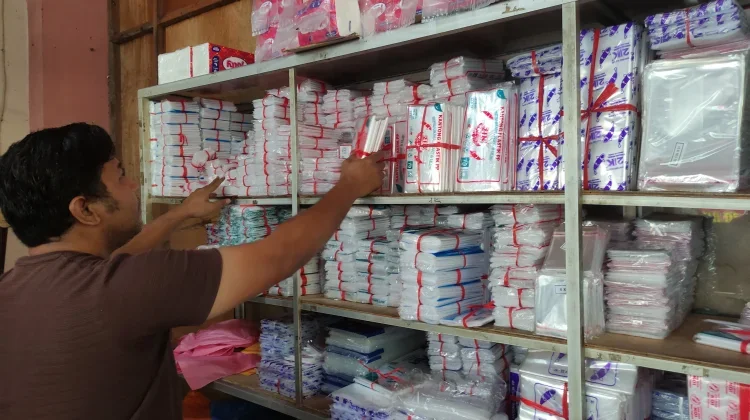
RRI.CO.ID, Jakarta - Indonesian Industry Minister Agus Gumiwang Kartasasmita convened a meeting with representatives from the plastics sector, including upstream petrochemical producers, intermediate industries, downstream manufacturers, and recycling companies.
The meeting addressed global geopolitical developments, particularly tensions in the Strait of Hormuz, which could disrupt the petrochemical raw material supply chain and affect the national plastics industry.
Minister Agus said entrepreneurs assured the government that plastic stockpiles should remain sufficient, though he stressed that the situation would be closely monitored. “I emphasize the word ‘should’ because the government will continue to monitor global developments that could impact production,” he said on Thursday, April 16, 2026.
Industry players are committed to maintaining a sustainable plastic supply, which Agus noted is vital to keeping small businesses competitive. He acknowledged that geopolitical turmoil has already affected domestic plastic prices, with adjustments likely due to rising logistics costs, port freight charges, and premium surcharges.
Tensions in the Strait of Hormuz have also disrupted shipping times for raw materials. “Shipments that previously averaged 15 days can now take up to 50 days. This certainly impacts production costs,” Agus said.
He emphasized that the global situation should serve as a catalyst to strengthen national petrochemical independence, particularly by securing domestic raw material supplies.
Indonesia aims to reduce reliance on imports by balancing energy-sector needs, such as motor-vehicle fuel, with the raw-material requirements of the petrochemical industry.
The meeting also explored the potential of developing substitute naphtha materials from domestic sources, including crude palm oil (CPO). Although relatively more expensive, CPO was considered a viable option for diversification.
“We must consider all potential national resources that could serve as alternative raw materials, including CPO. However, the economic challenges must be carefully assessed,” Agus said.
He added that global competition for petrochemical raw materials has intensified due to the war, and Indonesia should aim to supply high‑quality materials to boost competitiveness. Entrepreneurs hope that the petrochemical subsector will attract more investment and call for stronger protection of domestic markets against imports.
The meeting was attended by major industry players such as PT Chandra Asri Petrochemical, PT Lotte Chemical Indonesia, PT Asahimas Chemical, PT Polytama Propindo, PT Polyplex Films Indonesia, PT Kofuku Plastic Indonesia, Indorama Group, PT Trinseo Materials Indonesia, PT Lotte Chemical Titan Nusantara, PT Astina Indah Abadi, PT Bumi Lestari Unggul, PT Selamat Anugrah Indonesia, PT Pelita Mekar Semesta, PT Supernova Flexible Packaging, and PT Indopoly.
Several associations also participated, including the Indonesian Olefin, Aromatic, and Plastics Industry Association (INAPLAS), the Indonesian Plastic Recycling Association (ADUPI), Indonesian Plastics Recyclers (IPR), the Indonesian Plastic Woven Industry Association (GIATPI), the Indonesian Plastic Export Import Association (AEIXIPINDO), the Indonesian Flexible Packaging Industry Association (Rotokemas), the Indonesian Akal Sehat Plastic Association (PASTI), the Indonesian Biaxially Oriented Films Association (ABOFI), and the Indonesian Downstream Plastics Industry Association (APHINDO). (Misni Parjiati/Lasti Martina)
News Recomendation
Loading latest news.....