



Middle East Conflict Pushes Up Plastic Prices, Squeezing MSME Profits
- 09 Apr 2026 21:30 WIB
- Voice of Indonesia
Key Points
- MSMEs are holding prices to protect consumer loyalty despite plastic costs rising 40–60 percent.
- Global supply disruptions drove plastic price hikes, the government is preparing short- and long-term solutions.
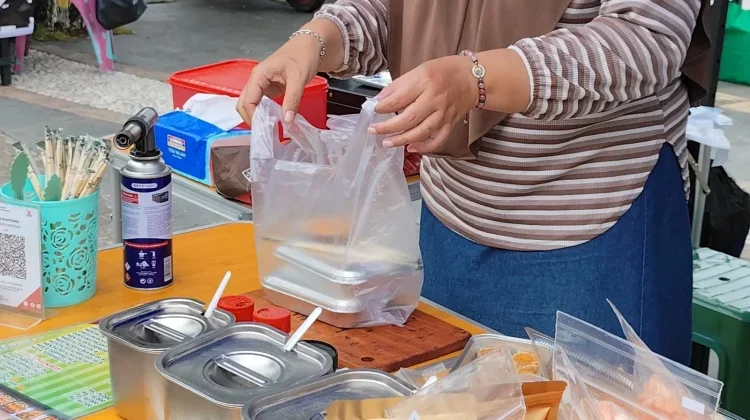
RRI.CO.ID, Jakarta - Indonesian Micro, Small, and Medium Enterprises (MSMEs) Minister Maman Abdurrahman highlighted the dilemma facing small businesses: maintaining customer trust while coping with soaring production costs. Many MSMEs are choosing to hold prices steady, risking shrinking profits.
“MSMEs are trying to maintain product prices in the eyes of the public and buyers. They don’t raise prices, but the consequence is that profits are shrinking due to rising production costs,” Minister Maman said in Jakarta on Thursday, April 9, 2026, as quoted by Antara.
The ministry has received numerous complaints about rising plastic prices, particularly from the food and beverage sector. Packaging materials have increased by 40–60 percent, cutting profit margins and reducing turnover by up to 50 percent.
Global supply chain disruptions are at the root of the problem. Shortages of naphtha, a petroleum derivative used in plastic production, combined with rising global oil prices due to conflict in the Middle East, have worsened the situation. Restrictions in key shipping routes such as the Strait of Hormuz have further limited access to raw materials.
Indonesia’s reliance on imported plastic raw materials, which account for 55 percent of national demand, exacerbates the impact. The domestic plastic packaging industry dominates the market, accounting for 67.61 percent in 2025, with the food sector as the largest contributor. When global supply chains falter, MSMEs feel the effects immediately.
Despite mounting pressure, MSMEs’ decision not to raise prices reflects their commitment to maintaining public purchasing power and consumer loyalty, while also underscoring their vulnerability to external shocks.
The government is preparing both short- and long-term measures. In the short term, Indonesia has secured naphtha supplies from more stable regions such as Africa, India, and the United States. In the long term, strategies include diversifying raw material sources and developing bioplastics from local resources such as seaweed and cassava.
Supporting policies under review include subsidies for bioplastic use, strengthening shared packaging facilities, and promoting plastic reduction principles. ***
News Recomendation
Loading latest news.....