



Indonesia Boosts SMEs Digital Skills to Compete Globally
- 07 Apr 2026 13:01 WIB
- Voice of Indonesia
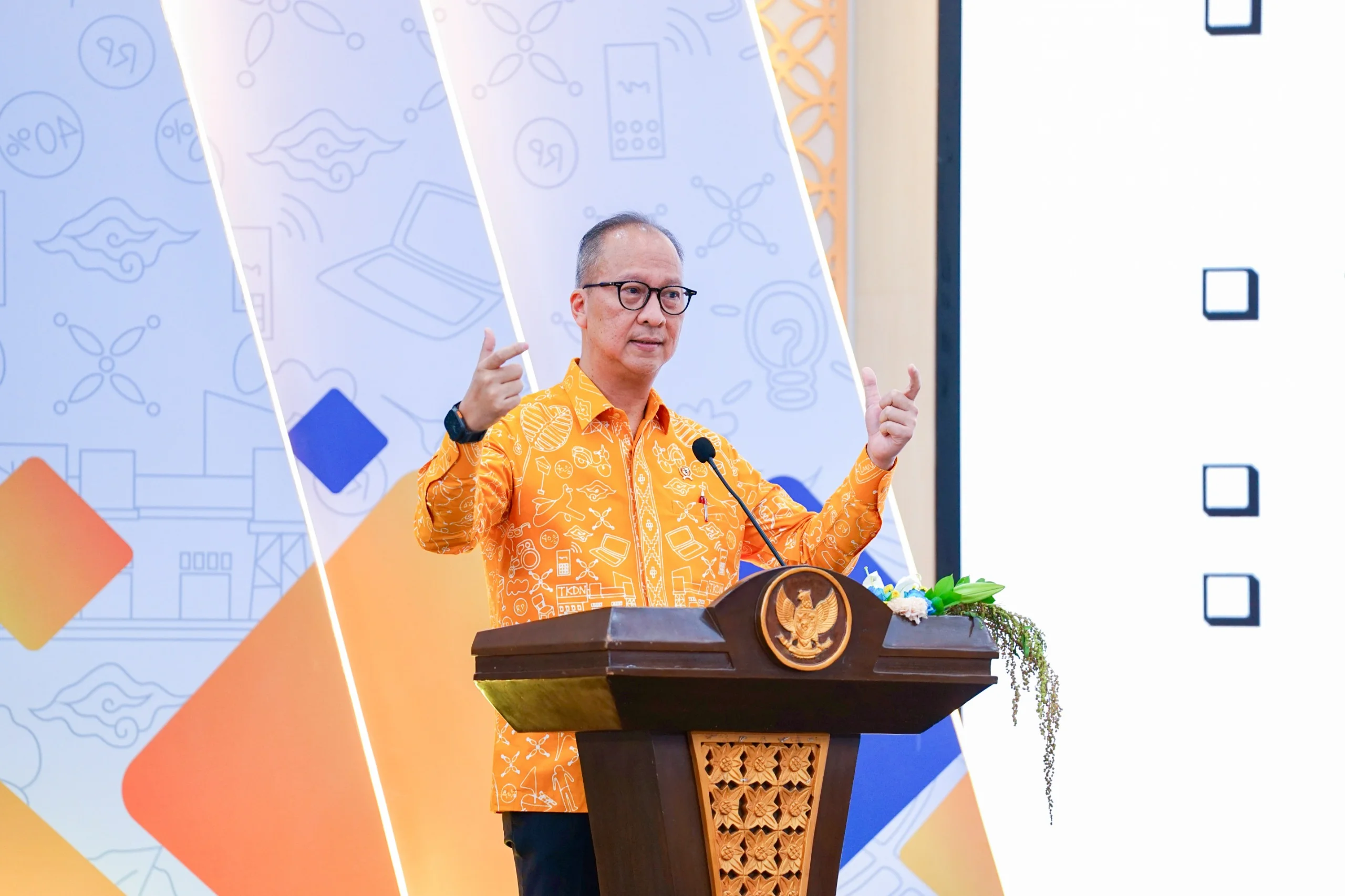
RRI.CO.ID, Jakarta - Minister of Industry, Agus Gumiwang Kartasasmita, affirmed that small and medium industries (SMEs) must enhance their capabilities to grow and remain competitive, including against imported products. He made the statement in an official release in Jakarta on Tuesday, April 7, 2026.
“We consistently implement digital literacy programs for SMEs to help them adopt and maximize digital marketing, enabling them to expand their market reach,” Agus said.
He added that the Ministry of Industry collaborates with various stakeholders in implementing these programs, including regional industry offices, academics, and industry practitioners. This collaboration aims to ensure the effectiveness and sustainability of efforts to strengthen domestic SMEs.
As online shopping continues to rise, Indonesia’s digital market potential remains vast. According to a survey by the Indonesian Internet Service Providers Association (APJII), the number of internet users in Indonesia reached 229.43 million in 2025.
Meanwhile, data from the Ministry of Trade projects that e-commerce users will reach 73.06 million in 2025—an 11 percent increase from 2024 and an 89 percent surge compared to 2020. A joint report by Google, Temasek, and Bain & Company also recorded Indonesia’s e-commerce transaction value at approximately Rp1,192.8 trillion (around USD 71 billion) in 2025.
In response to this potential, the Ministry of Industry, through the Directorate General of Small, Medium, and Miscellaneous Industries (IKMA), continues to accelerate SME digital transformation. One of the initiatives includes the e-Smart SMEs Workshop and Digital Literacy program, held on April 1, 2026, at the Fashion and Craft Industry Development Center (BPFIK) in Badung, Bali, attended by 80 local SME participants.
Director General of IKMA, Reni Yanita, stated that the program is a collaboration between the Ministry and strategic partners such as Shopee, IKEA Indonesia, and Ciputra University Surabaya.
“Digital marketing is no longer optional for businesses, especially SMEs, as it offers significant advantages over conventional methods,” she said.
Reni further explained that technological advancements also open opportunities for the use of Artificial Intelligence (AI) in marketing strategies.
“AI enables businesses to personalize promotions based on consumer preferences, predict market trends, and analyze customer behavior more accurately, significantly improving marketing effectiveness,” she added.
The Ministry has also continued to develop the e-Smart SMEs program, which has been running since 2017. To date, 31,634 SME players have participated through various digital literacy activities.
“In addition to encouraging the use of digital technology in marketing, we are also guiding SMEs toward Industry 4.0 transformation in their production processes,” Reni noted.
On the same occasion, Director of Chemical, Textile, and Craft SMEs, Budi Setiawan, stated that the workshop materials are expected to strengthen SME capabilities in business development. The materials include digital marketing strategies, product photography techniques, and marketplace optimization.
“Moving forward, SMEs in Bali are expected to utilize the facilities at the Fashion and Craft Industry Center to scale up their businesses and enhance competitiveness, particularly in the craft and fashion sectors,” he said.
News Recomendation
Loading latest news.....