



Middle East Conflict Disrupts Global Shipping, Raises Risks for Indonesian Trade
- 04 Apr 2026 10:49 WIB
- Voice of Indonesia
Key Points
- Escalating Iran–US tensions have tripled shipping costs, disrupted Middle East trade routes, and raised risks for Indonesia’s energy and manufacturing sectors.
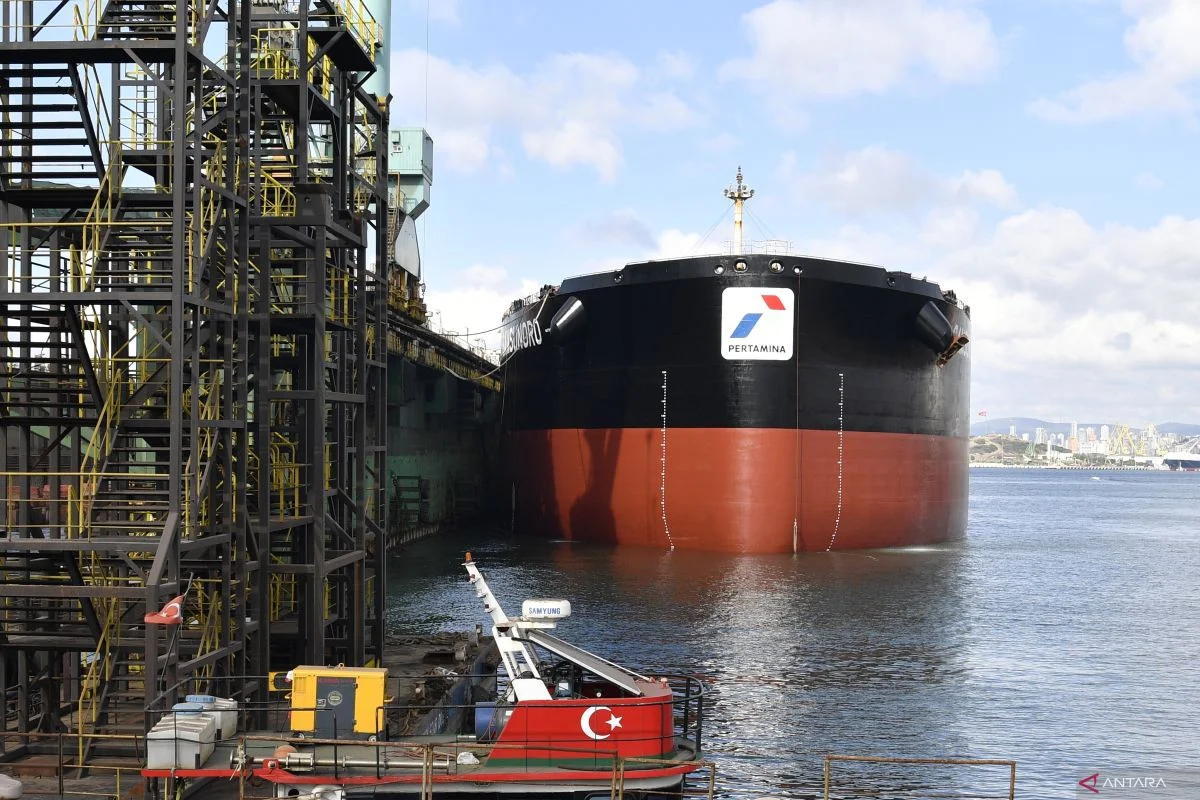
RRI.CO.ID, Jakarta - Escalating tensions between Iran and the United States, backed by Israel, have disrupted economic activity across the Middle East, particularly in logistics and trade.
Chairman of the Saudi Bilateral Committee of the Indonesian Chamber of Commerce and Industry (Kadin), Mohamad Bawazeer, said ocean freight rates have surged nearly threefold as shipping companies hesitate to issue bookings amid security risks.
Many vessels have rerouted to avoid the Bab el-Mandeb Strait, detouring around Africa before entering the Suez Canal. This shift has extended delivery times to as long as two months, compared with the usual 15–20 days for shipments to ports such as Dammam and Jeddah.
Thousands of containers remain stranded at Jebel Ali Port, unable to pass through the Strait of Hormuz without special approval from local authorities. The bottleneck has disrupted supplies of raw materials and finished goods, driving up prices and straining business conditions in Saudi Arabia.
| Baca juga: The Fed Rate Hike Shakes Markets |
“This situation stems from unclear and ongoing warfare,” Bawazeer said in Jakarta on Saturday, April 4, 2026, as quoted by Antara.
Indonesia is beginning to feel the ripple effects. Trade Minister Budi Santoso warned that the Iran-US conflict could pressure several sectors, particularly energy and logistics. He noted that global oil distribution could be disrupted if the Strait of Hormuz were closed, with the energy sector likely to be hit first.
Minister Budi said manufacturing is especially vulnerable, as rising energy costs would increase production expenses, squeeze margins, or force companies to raise prices. Such pressures could weaken the competitiveness of Indonesian products in global markets.
Exporters also face mounting challenges, including higher logistics costs and declining global demand amid economic uncertainty. The developments highlight how geopolitical conflicts far from Indonesia can reverberate through its economy. ***
News Recomendation
Loading latest news.....