



Agro Industry Remains Resilient Amid Geopolitical Tensions: Govt
- 10 Mar 2026 22:16 WIB
- Voice of Indonesia
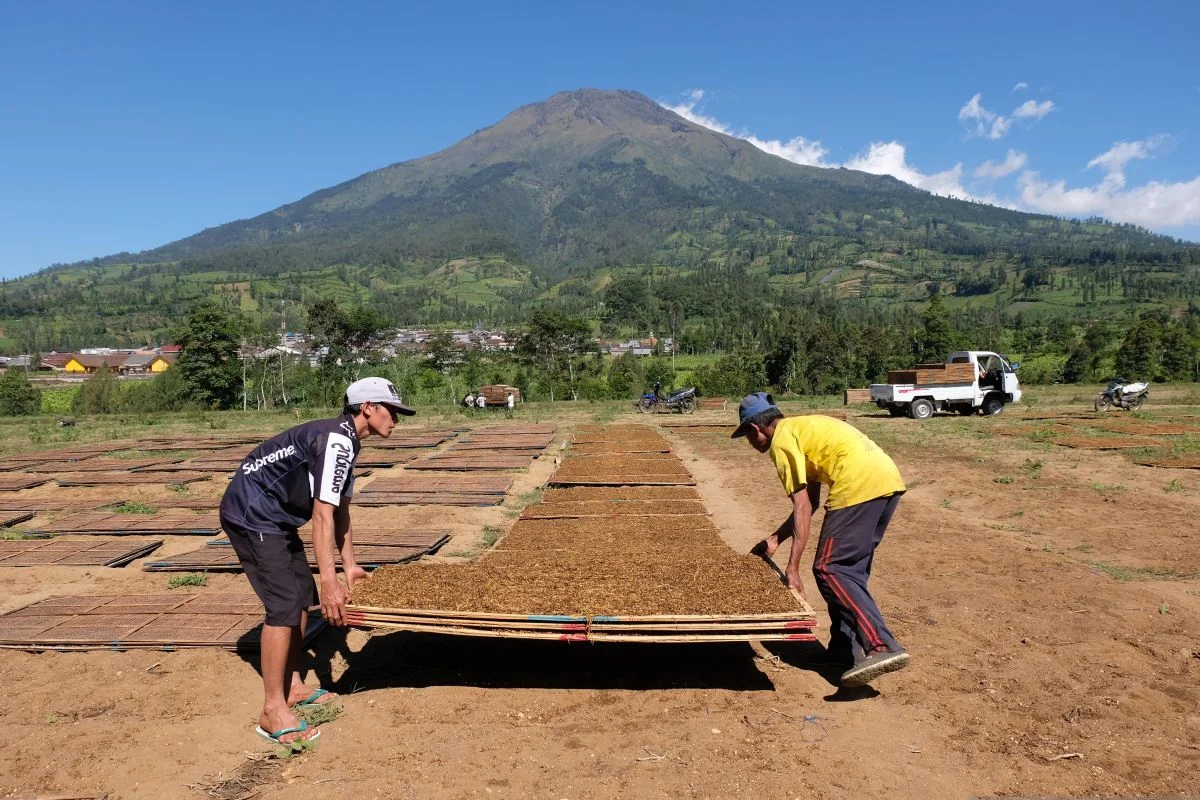
RRI.CO.ID, Jakarta - Indonesia’s agro industry remains resilient despite geopolitical tensions in the Middle East, as most of its raw materials come from domestic sources or countries outside the conflict zone, the Industry Ministry has said.
Acting director general for agro industry at the Industry Ministry, Putu Juli Ardika, said the sector relies largely on Indonesia’s own natural resources, limiting the direct impact of the conflict on industrial production.
“The agro industry processes our natural resources, so there are no issues directly related to the conflict in the Middle East concerning the main raw materials,” Putu said in Jakarta on Tuesday, March 10, as quoted by Antara.
He explained that most raw materials for the agro industry, including cooking oil, processed food products, and various agriculture-based commodities, are supplied domestically. As a result, the conflict in the Middle East does not directly affect the availability of these inputs.
Putu added that the agro industry’s imported raw materials also generally do not originate from Middle Eastern countries. Industrial sugar, such as refined sugar, is mainly imported from Australia, Thailand, and several countries in Latin America.
Some other imported inputs had already entered Indonesia before the conflict began, further limiting potential disruptions to the sector’s supply chain, he said.
However, Putu acknowledged that geopolitical tensions could still have indirect effects, particularly on distribution costs. “The impact is more on transportation or logistics costs,” he said.
The ministry continues to monitor global developments to anticipate potential supply chain disruptions and changes in logistics costs stemming from geopolitical dynamics. “We have also prepared alternatives so that the impact on the agro industry will not be too significant,” Putu said.
Meanwhile, Industry Minister Agus Gumiwang Kartasasmita said the conflict in the Middle East could still trigger volatility in global energy prices and affect international trade routes, potentially increasing logistics and raw material costs for the manufacturing sector.
“We continue to monitor developments in the conflict in the Middle East because the region is one of the world’s energy centers and a very important global logistics route. Any escalation could affect energy prices, the smooth flow of industrial raw material supply chains, and logistics costs for the manufacturing sector,” Minister Agus said in a statement confirmed in Jakarta on Thursday, March 5.
He added that potential disruptions to global energy distribution remain a key concern, particularly the possibility of a blockade in the Strait of Hormuz, a vital shipping lane through which about one-fifth of the world’s oil supply passes. ***
News Recomendation
Loading latest news.....