



Indonesia–Denmark Cooperation Enhances Feed Safety
- 18 Feb 2026 17:52 WIB
- Voice of Indonesia
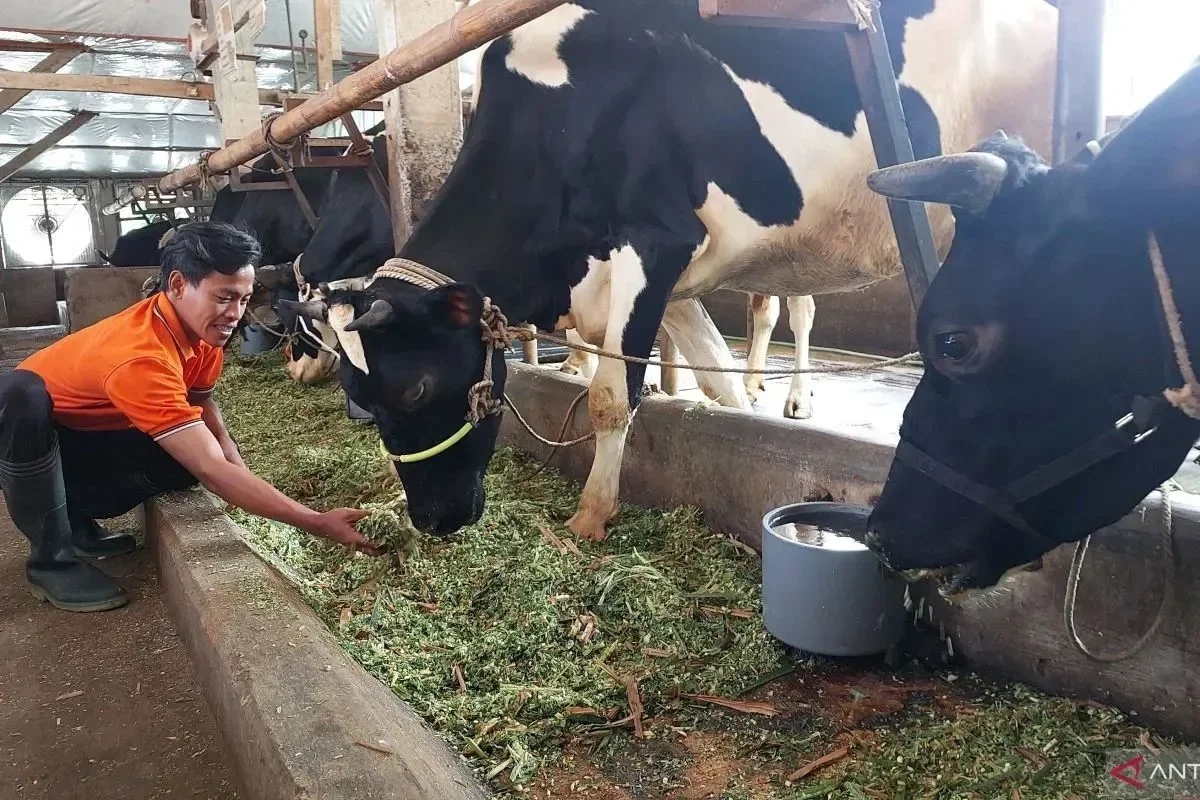
RRI.CO.ID, Jakarta - The Indonesian government and Denmark have launched a collaboration to strengthen the national feed quality assurance and safety system, aimed at protecting farmers and improving the competitiveness of livestock products.
“This step is important because feed quality determines livestock productivity, production cost efficiency, and the safety of animal-based food products,” said Sapta, head of the Indonesian delegation from the Ministry of Agriculture’s Directorate of Feed, in Jakarta on Wednesday, February 18, 2026, as quoted by Antara.
The Directorate General of Livestock and Animal Health, through the Directorate of Feed and the Feed Quality Testing and Certification Center (BPMSP), is working with the Danish Veterinary Food Agriculture and Fishery Agency (DVFAFA) in Copenhagen to enhance institutional capacity through technical cooperation.
Sapta explained that the main focus is to modernize feed supervision to make it more transparent and risk-based.
He noted that lessons from international practices, particularly Denmark’s consistent application of risk-based approaches from regulation to field inspection, will serve as a reference for improving Indonesia’s system. “We will adapt these examples to the needs and characteristics of Indonesia’s livestock subsector,” he said.
The Ministry of Agriculture emphasized that strengthening feed supervision is not only a regulatory agenda but also a concrete effort to protect farmers from losses caused by low-quality or contaminated feed.
A stricter monitoring system is expected to ensure that feed circulating in the market meets quality and safety standards, which directly impacts livestock performance, reduces disease, improves feed conversion efficiency, and increases milk and meat production.
For dairy farmers, feed quality determines both the volume and quality of milk produced. In the long term, a credible system will also strengthen farmers’ bargaining position in the market, including for organic dairy products that require strict feed quality assurance.
Sapta added that the ministry is revising Regulation No. 65/2017 on Feed, drafting a feed safety policy paper, establishing a Feed Product Certification Body (LSPro), and developing a national feed quality and safety monitoring system.
He said the transformation aims to create an integrated and accountable oversight framework, with risk-based monitoring prioritizing critical points that could harm farmers.
Laboratory capacity is also being strengthened, particularly in detecting contaminants such as mycotoxins, heavy metals, pesticide residues, and antibiotics. More accurate and comprehensive analysis is considered essential to support the enforcement of Maximum Residue Limits (MRL) and ensure feed safety.
Tri Melasari, Director of Feed at the Ministry of Agriculture, reiterated that feed quality and safety directly affect livestock health and productivity. “If the livestock are healthy, then the production of milk, eggs, and meat will also be optimal,” she said.
She also highlighted the importance of utilizing local feed raw materials. Strengthening data collection and mapping of local resources is seen as crucial to reducing production costs and reinforcing national feed security.
The ministry stressed that the state has a responsibility to ensure a fair livestock business ecosystem. Farmers must not suffer losses due to substandard feed distribution. By reinforcing certification, inspection, and testing systems, the government aims to provide legal protection for farmers and guarantee safe, high-quality animal products for consumers.
Through this technical cooperation, the Ministry of Agriculture reaffirmed its commitment to building a national feed-supervision system aligned with international practices and adapted to Indonesia’s livestock sector. ***
News Recomendation
Loading latest news.....