



Jambi Batik: Vibrant Heritage Rooted in Malay Culture
- 28 Sep 2026 10:12 WIB
- Voice of Indonesia
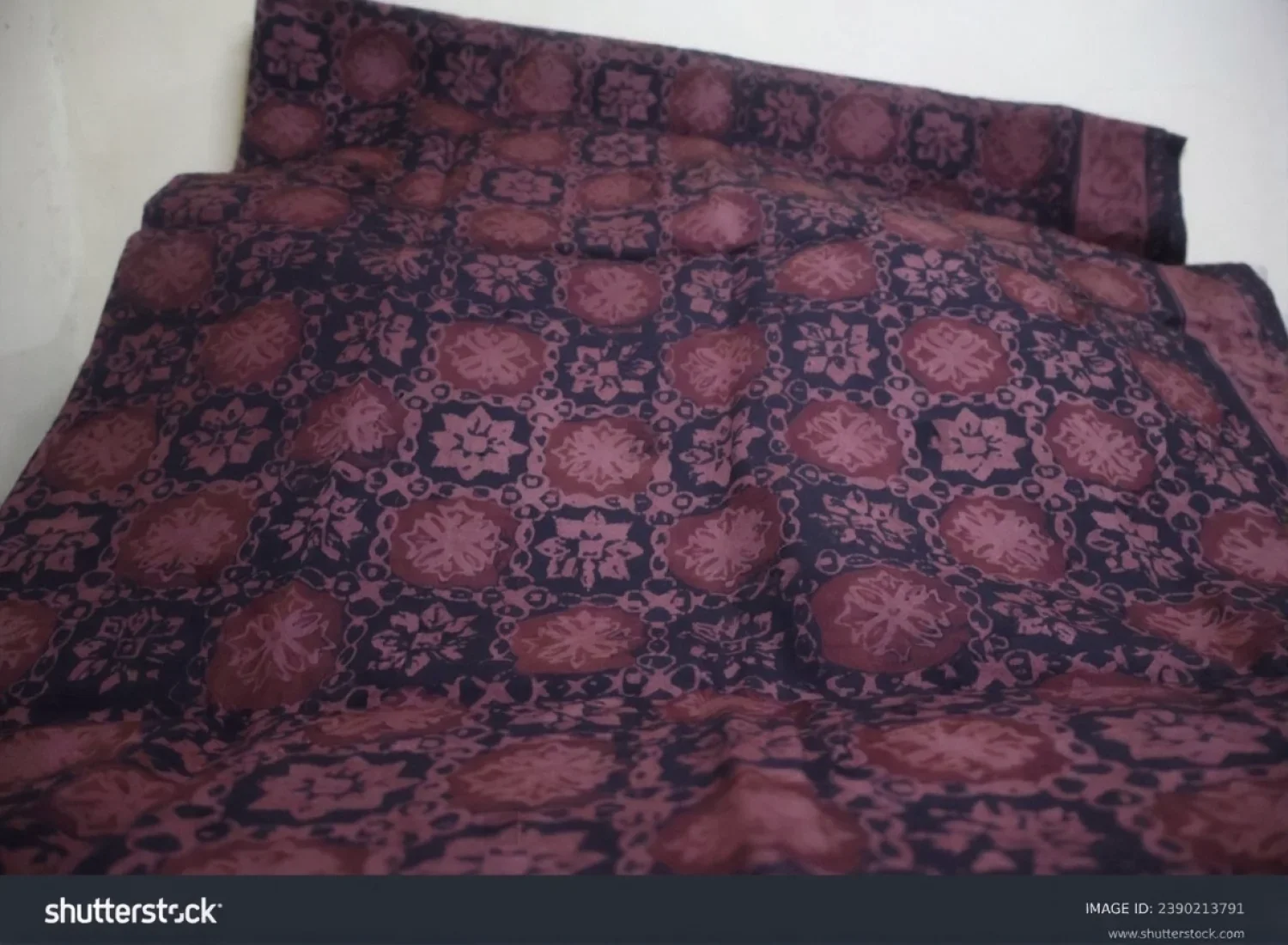
RRI.CO.ID, Jambi - Jambi Batik is a traditional Indonesian textile known for its bright colors and distinctive Malay-inspired motifs. The fabric reflects local identity through natural imagery, traditional techniques, and cultural meanings passed down through generations.
Jambi Batik began developing in the 19th century through Malay, Chinese, and Arab trade networks. Local artisans then developed distinctive styles that differed from Javanese batik, particularly in colors, motifs, and canting techniques.
In the past, Jambi Batik was mainly worn by noble families and traditional leaders on special occasions. Today, it has become part of Indonesia's creative industry and is used in both traditional and modern settings.
One distinctive feature of Jambi Batik is its use of vibrant colors, including red, orange, blue, yellow, and brown. Some natural dyes are made from materials such as sappanwood and noni roots, adding depth to its traditional character.
Its motifs draw inspiration from Malay culture, local plants, animals, and the surrounding environment. Popular designs include Angso Duo, Durian Pecah, Kapal Sanggat, Tampuk Manggis, Kumbang, Bungo Melati, and Bungo Pauh.
Each motif carries cultural meanings associated with prosperity, beauty, and harmony in life. The patterns are generally bold, symmetrical, and relatively simple, creating an elegant appearance that distinguishes Jambi Batik.
Jambi Batik also remains connected to traditional life in Jambi Malay communities. The fabric is worn during weddings, traditional ceremonies, government events, and receptions for honored guests.
In contemporary settings, Jambi Batik appears in modern dresses, formal shirts, bags, accessories, interior decorations, and local souvenirs. It is also combined with Jambi songket to create distinctive outfits for cultural and formal occasions.
Jambi Batik represents more than just a traditional textile because it connects craftsmanship with Malay cultural identity. Its vivid colors, nature-inspired motifs, and traditional techniques keep this regional heritage relevant in modern Indonesia.
News Recomendation
Loading latest news.....