



Pantun, a Means of Communication Conveying Moral Values Recognized by UNESCO
- 16 Sep 2026 13:26 WIB
- Voice of Indonesia
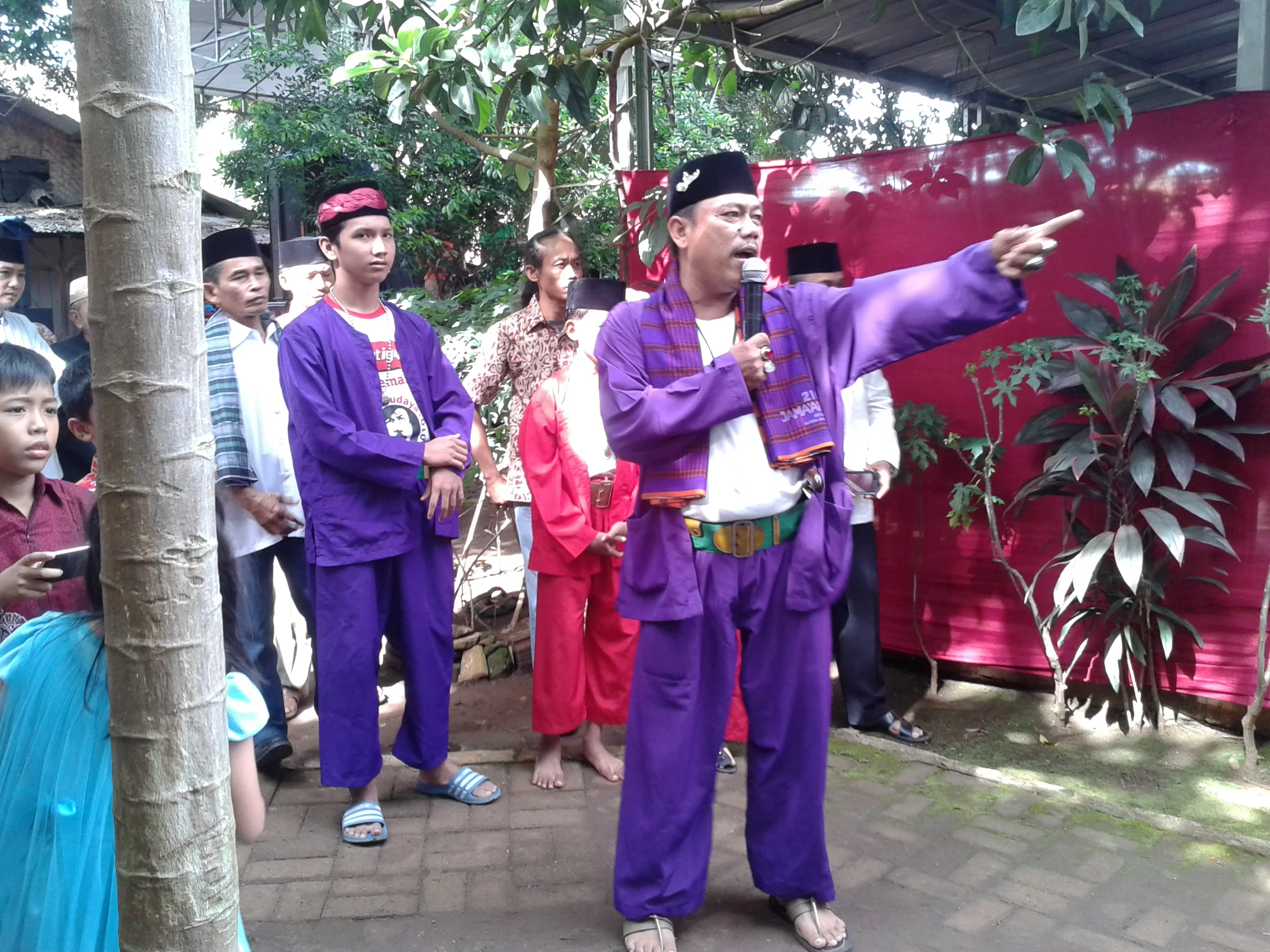
RRI.CO.ID, Jakarta - Pantun is more than a rhyming verse often used to convey advice, humor, or open an event. This oral tradition has strong social and cultural functions in the lives of communities across the maritime region of Southeast Asia.
UNESCO recognizes pantun as a form of Malay verse used to express ideas and emotions and as an oral tradition that has developed widely across maritime Southeast Asia.
On its official website, UNESCO describes pantun as “a form of Malay verse used to express intricate ideas and emotions.” Pantun commonly follows an a-b-a-b rhyme scheme, with the four-line form being one of its most widely recognized structures. The tradition is not only performed orally but can also be found in music, songs, and written forms.
One reason pantun has value as intangible cultural heritage is that the tradition continues to be practiced in everyday life. UNESCO notes that pantun is performed during weddings, traditional rituals, cultural performances, and official ceremonies. Its themes are also diverse, ranging from love for partners, family, and communities to relationships with nature.
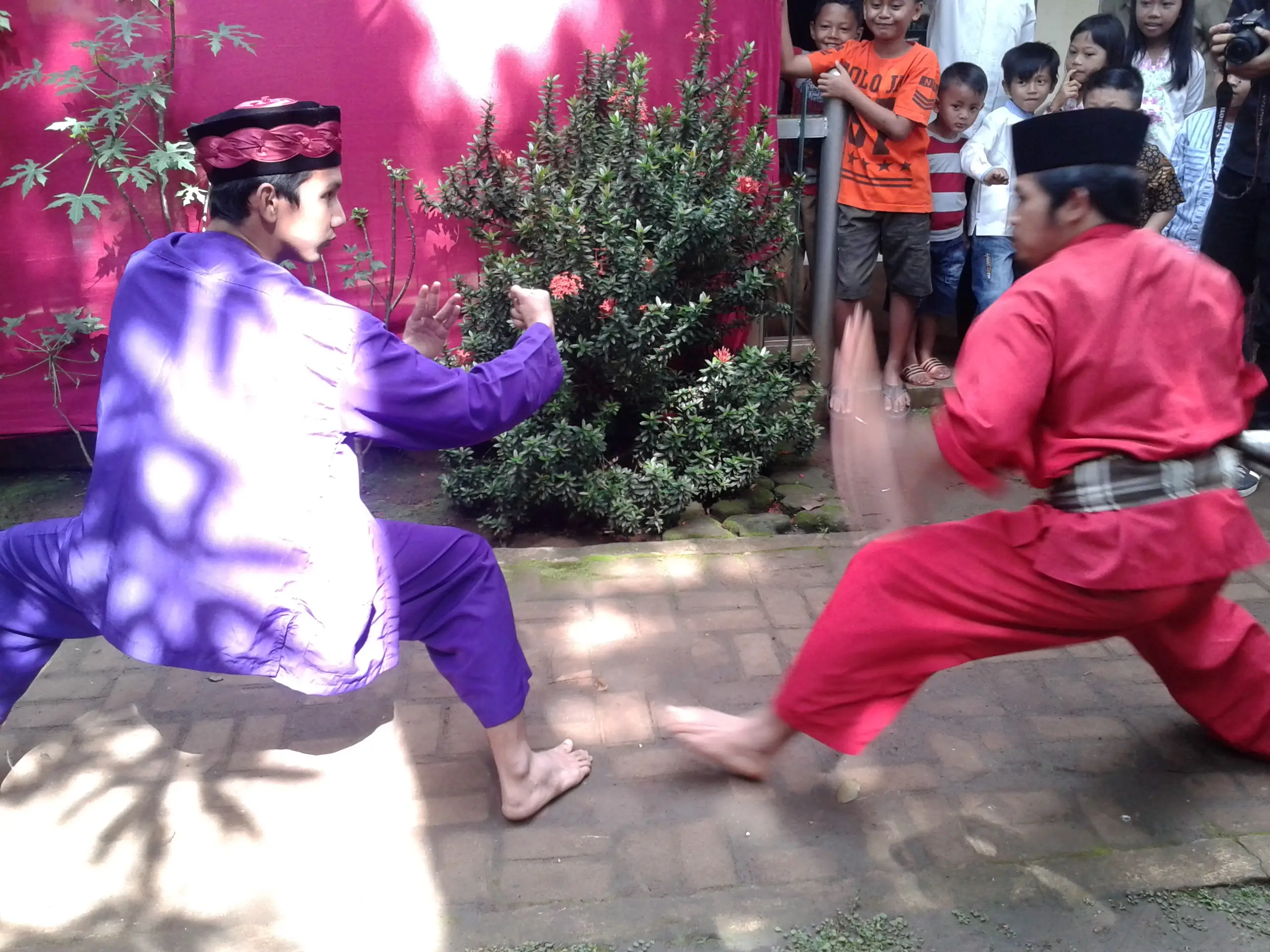
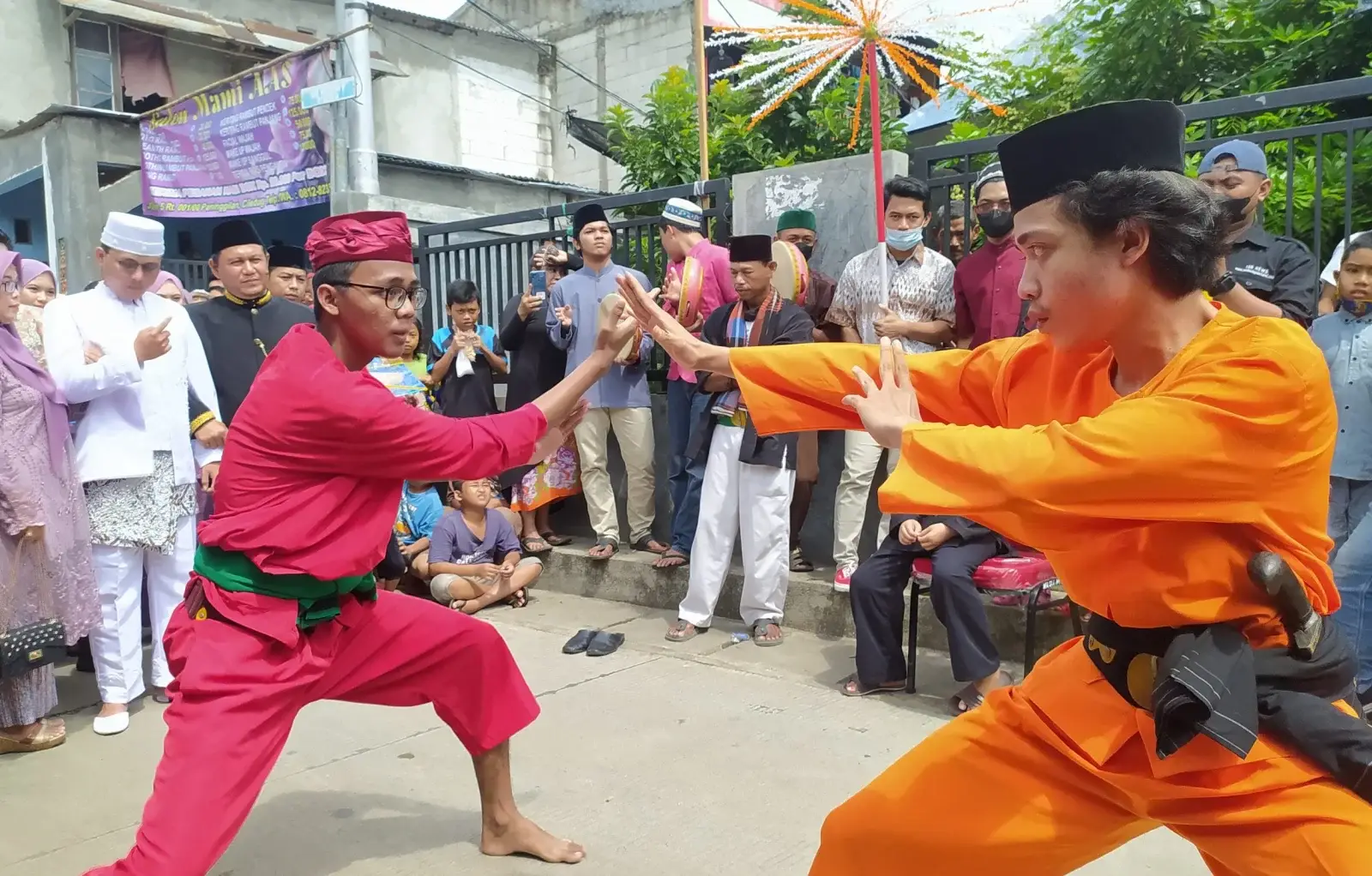
Pantun is also used in a tradition of Betawi culture namely Palang Pintu. Pantun Palang Pintu is a distinctive tradition in Betawi weddings.
These humorous verses are typically performed during the Palang Pintu procession, where the groom's entourage exchanges rhymes with the bride's side before being granted entry.
Pantun also serves as a means of communication that conveys social and moral values. According to UNESCO, the practice provides a socially accepted way of expressing something indirectly and politely. Pantun can also serve as a form of moral guidance, as its verses often convey religious and cultural values such as self-control, respect, kindness, and humility.
Interestingly, the function of pantun goes beyond entertainment and everyday communication. UNESCO notes that pantun has also been used as a form of diplomacy to help resolve conflicts, as it allows important matters to be conveyed in a subtle manner. This demonstrates its role in fostering social relationships and maintaining harmony among people.
The continuity of pantun is also supported by the transmission of knowledge and skills to younger generations. UNESCO notes that pantun is taught formally through schools and art workshops, as well as informally through pantun sessions and competitions. In this way, pantun is not merely preserved as a tradition from the past but continues to be practiced and learned by communities.
Pantun was first inscribed on UNESCO’s Representative List of the Intangible Cultural Heritage of Humanity in 2020 through a joint nomination by Indonesia and Malaysia. In 2025, the inscription was expanded to include Brunei Darussalam. In its decision, the UNESCO Intergovernmental Committee noted that the nomination met several criteria, including the transmission of pantun-related knowledge and skills through education and community practices.
The recognition shows that the value of pantun lies not only in its form and rhyme scheme but also in the knowledge, skills, social values, and cultural practices that continue to live within communities. UNESCO also notes that the multinational inscription of pantun can strengthen cooperation among Indonesia, Malaysia, and Brunei Darussalam in safeguarding their shared cultural heritage.
News Recomendation
Loading latest news.....