



Jasmine: Indonesia’s National Flower, Rich in Meaning and Utility
- 01 Sep 2026 15:08 WIB
- Voice of Indonesia
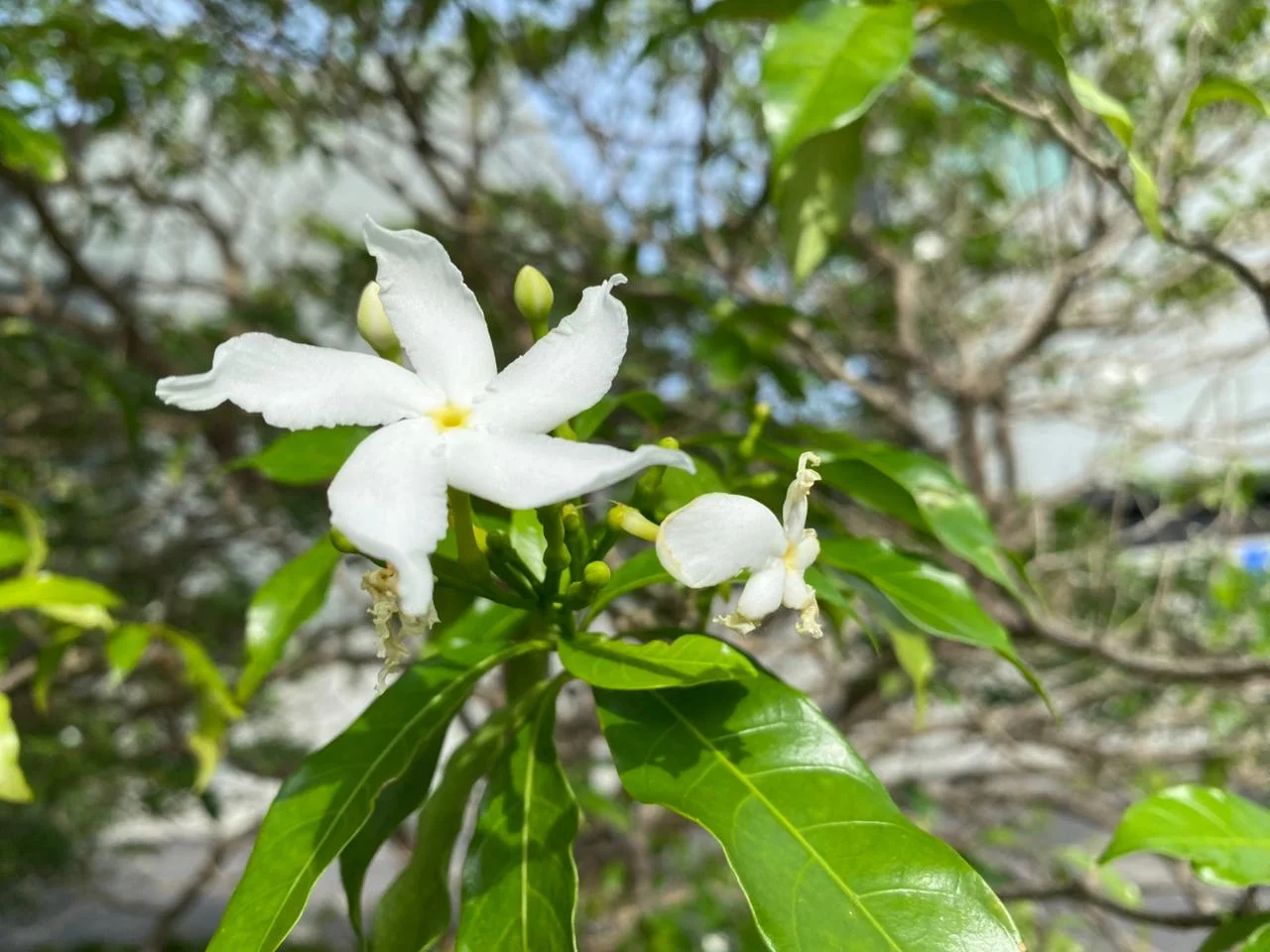
RRI.CO.ID, Jakarta - The white jasmine flower (Jasminum sambac) holds a significant place in the lives of the Indonesian people. Beyond being recognized as a national flower (Puspa Bangsa), jasmine has long been utilized in traditional medicine, beauty care, and various cultural ceremonies.
Jasmine contains a variety of compounds, including indole, linalool, benzyl acetate, benzyl alcohol, and jasmone. These constituents make it a popular herbal ingredient, while its antioxidant content is a key reason for its use in numerous health and beauty products.
In traditional medicine, jasmine is processed into forms such as tea or oil. Jasmine tea is renowned for its distinctive aroma, whereas jasmine oil is widely used in aromatherapy and body care products. However, claims regarding jasmine's ability to treat specific ailments require scientific backing and should not be viewed as a substitute for medical treatment.
Beyond health applications, jasmine is also utilized in the beauty industry. Its signature scent makes it a popular fragrance ingredient, while jasmine tea is consumed as an herbal beverage. The antioxidants found in jasmine are also associated with benefits such as helping to protect the body against free radical damage.
Apart from these practical uses, jasmine holds profound cultural significance for Indonesians. The flower symbolizes purity, elegant simplicity, and sincerity. In Javanese tradition, jasmine is used in various customary ceremonies and forms part of the sritaman floral arrangement.
Meanwhile, in Balinese Hindu tradition, jasmine flowers are included in offerings presented to Hyang (divine spirits), ancestral spirits, and deities. Jasmine also features in rituals such as funeral ceremonies and grave visitations.
Given this status, jasmine is viewed not merely as a flower with a distinctive fragrance but as an integral part of Indonesian cultural identity. Its presence in daily life illustrates how a single flower can embody values that span tradition, practical utility, and cultural symbolism.
News Recomendation
Loading latest news.....