



Old Wapauwe Mosque Preserved by Maluku Customary Law
- 19 Agt 2026 11:20 WIB
- Voice of Indonesia
Key Points
- The 600-year-old Wapauwe Old Mosque in Central Maluku preserves its historic architecture and Islamic heritage through traditional customary rules.
- The Tukang 12 customary council oversees repairs and restoration, ensuring the mosque’s original structure and ancestral traditions remain intact.
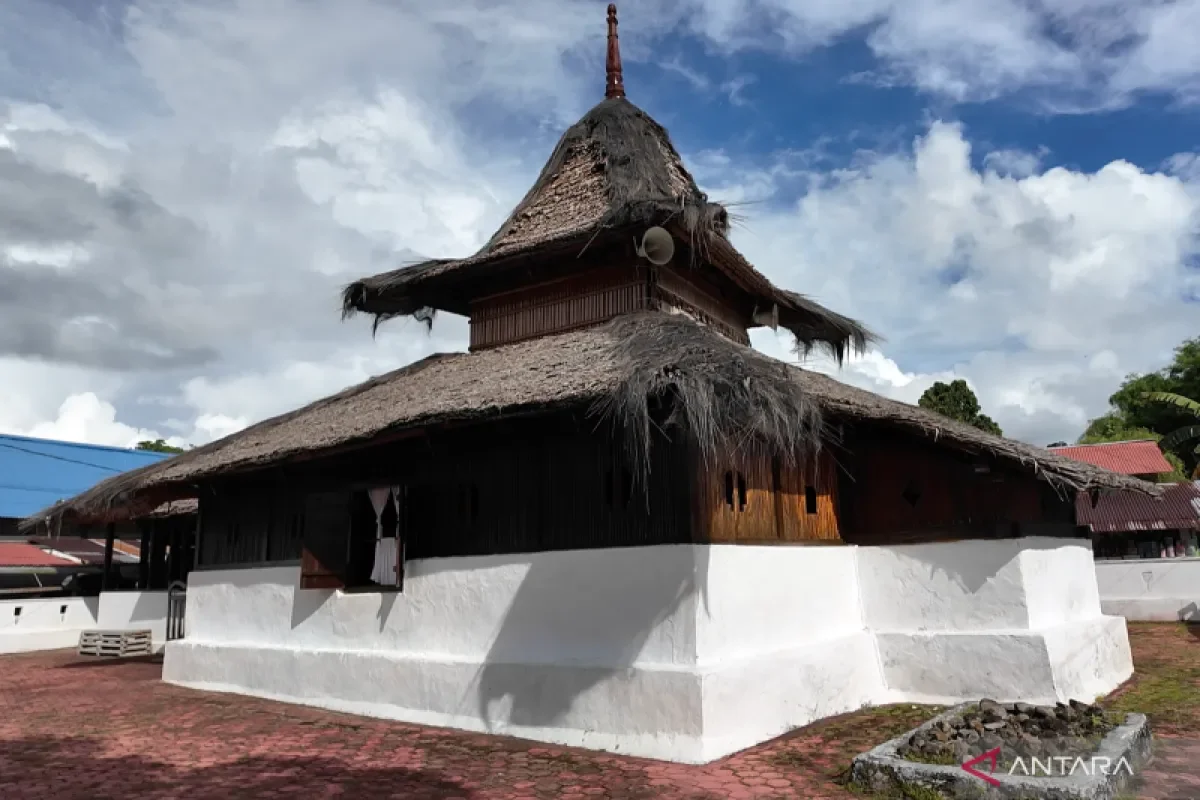
RRI.CO.ID, Central Maluku - Standing as one of the oldest Islamic heritage sites in the Indonesian archipelago, the Wapauwe Old Mosque in Kaitetu Village, Leihitu Subdistrict, Central Maluku Regency, Maluku Province, continues to preserve its 15th-century architecture and sacred traditions through strict customary governance.
Originally established in 1414 atop Mount Wawane before being relocated to its current coastal site in Kaitetu, the 10x10-meter structure was engineered using an interlocking, nail-free wooden puzzle technique (knock-down) designed by ancestral builders to withstand earthquake tremors. Constructed with traditional Maluku materials, including sago palm leaf roofs, gaba-gaba wall panels, and coral lime mortar, the mosque houses historical artifacts such as a 16th-century handwritten European-paper Quran, Hadramaut wood sermon staffs, and pineapple-relief minbars.
The structural preservation and authentic restoration of the mosque are strictly overseen by the Tukang Husa Lua (Tukang 12), a hereditary customary council of 12 customary leaders and craftsmen who ensure all maintenance adheres to sacred ancestral law.
Customary leaders and community elders emphasized that combining living worship with rigid ancestral governance ensures that historic sites remain culturally authentic while continuing to serve local spiritual needs.
| Baca juga: Dieng Gimbal Haircut Tradition Preserved |
King of Kaitetu Customary Village M. Armin Lumaela highlighted the national historical significance and earthquake-resistant engineering of the centuries-old mosque.
"This Wapauwe Old Mosque is one of the historical sites marking the entry of Islam, not only in Maluku, but across the entire archipelago, the system is like a puzzle. So, if a pillar has a tongue, the beam has a groove. The function is similar to the earthquake-resistant construction techniques seen in Japan, our ancestors had already developed and utilized this technique," Armin said in Kaitetu, as quoted by Antara.
He explained the crucial role played by the Tukang 12 customary council in safeguarding the mosque's structural integrity across generations.
"These Tukang 12 hold their positions through lineage, and they are practitioners of customary law, this is one of the reasons why the mosque remains preserved, because even when we replace or renovate parts of it, we cannot alter what is already there," Armin noted. ***
News Recomendation
Loading latest news.....