



Indonesia Promotes Buton Fortress as National Cultural Heritage Landmark
- 13 Jul 2026 14:16 WIB
- Voice of Indonesia
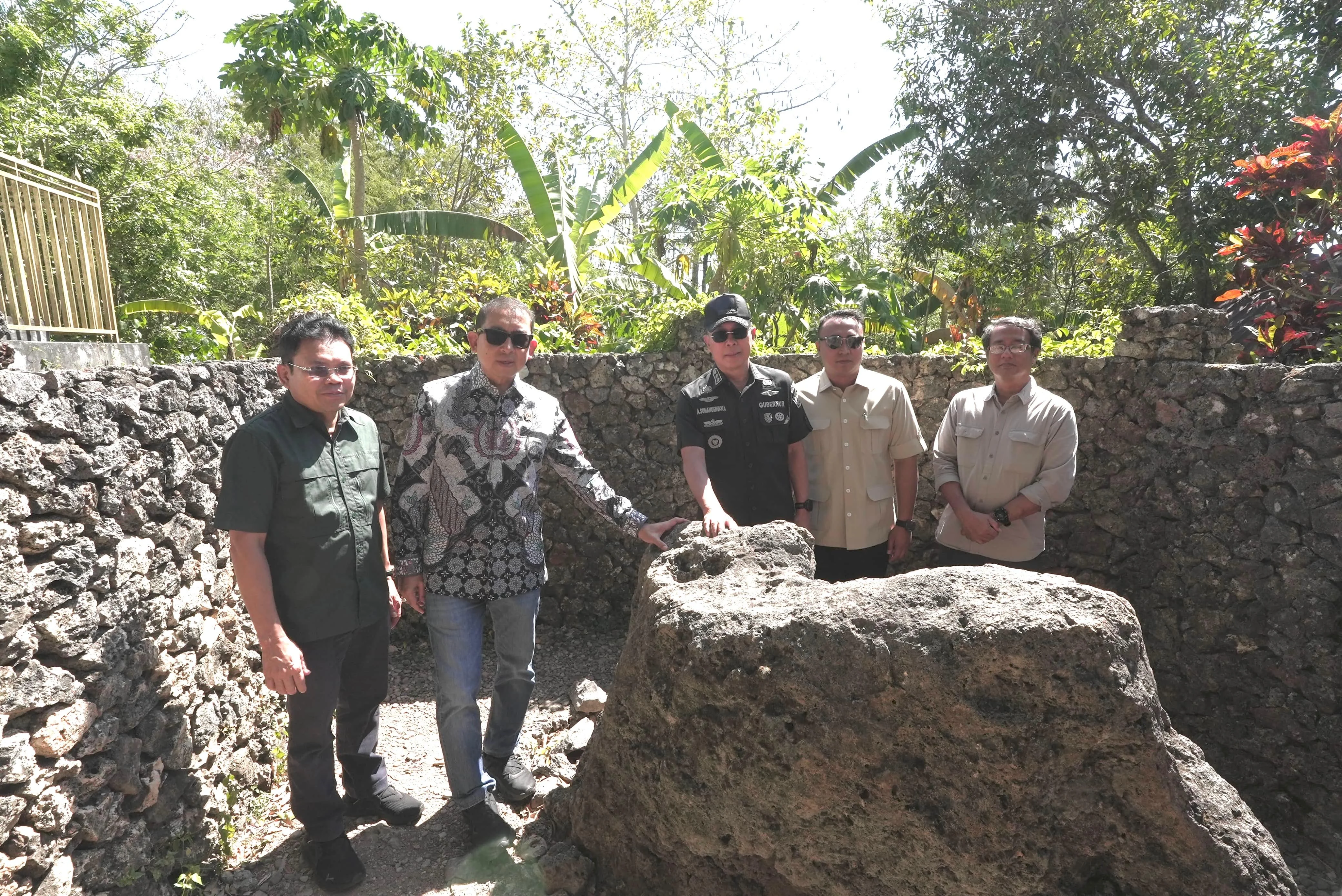
RRI.CO.ID, Baubau - Indonesia keeps preserving one of its most significant historical landmarks as part of a broader strategy to safeguard the nation's cultural heritage and promote sustainable cultural tourism. The initiative was highlighted during Culture Minister Fadli Zon's visit to the Wolio Fortress National Cultural Heritage Site in Baubau, Southeast Sulawesi, Saturday, July 12, 2026.
According to a statement from the Ministry of Culture, the visit aimed to assess conservation efforts at Wolio Fortress, a symbol of the former Buton Sultanate and one of Indonesia's most important historic sites. During the visit, Fadli also paid tribute at the royal cemetery within the fortress complex, including the tomb of Sultan Murhum, the sixth King of Buton and the first Sultan of the Buton Sultanate.
Fadli said the fortress and the historical sites within the complex reflect the continuity of Buton's history, traditions, and cultural identity, making their preservation essential for future generations. He noted that the site stands as evidence of the ingenuity of local communities in building an independent defense system during the 16th century.
“This fortress was built not by the Dutch or the Portuguese, but by the people of Buton during the Buton Sultanate. It is an invaluable cultural heritage and a witness to the nation's historical journey,” Fadli said.
The minister emphasized that preserving cultural heritage requires long-term commitment through protection, development, utilization, and institutional support. He added that the royal tombs inside the fortress complex also hold significant historical value and deserve continued scholarly research as part of Indonesia's cultural preservation efforts.
“We need to work together to advance culture through protection, development, utilization, and capacity building. Hopefully, more people from Indonesia and abroad will come to discover the rich history and culture of Buton,” he said.
Built in the 16th century from limestone and coral stone by the people of Buton, Wolio Fortress stretches approximately 2.75 kilometers and features 12 gates and 16 defensive bastions. Perched on a hill overlooking Baubau Bay, the fortress once served as the administrative center of the Buton Sultanate and remains one of Indonesia's most important historical and architectural landmarks.
Fadli expressed hope that stronger collaboration between the central government, regional authorities, and local stakeholders would further enhance the preservation of Wolio Fortress and its historical significance. He also said the site has the potential to gain wider international recognition as a cultural destination while contributing to local communities through sustainable heritage management.
News Recomendation
Loading latest news.....