



Indonesia Expands Global Recognition of Keris Through Repatriation Efforts
- 24 Mei 2026 19:20 WIB
- Voice of Indonesia
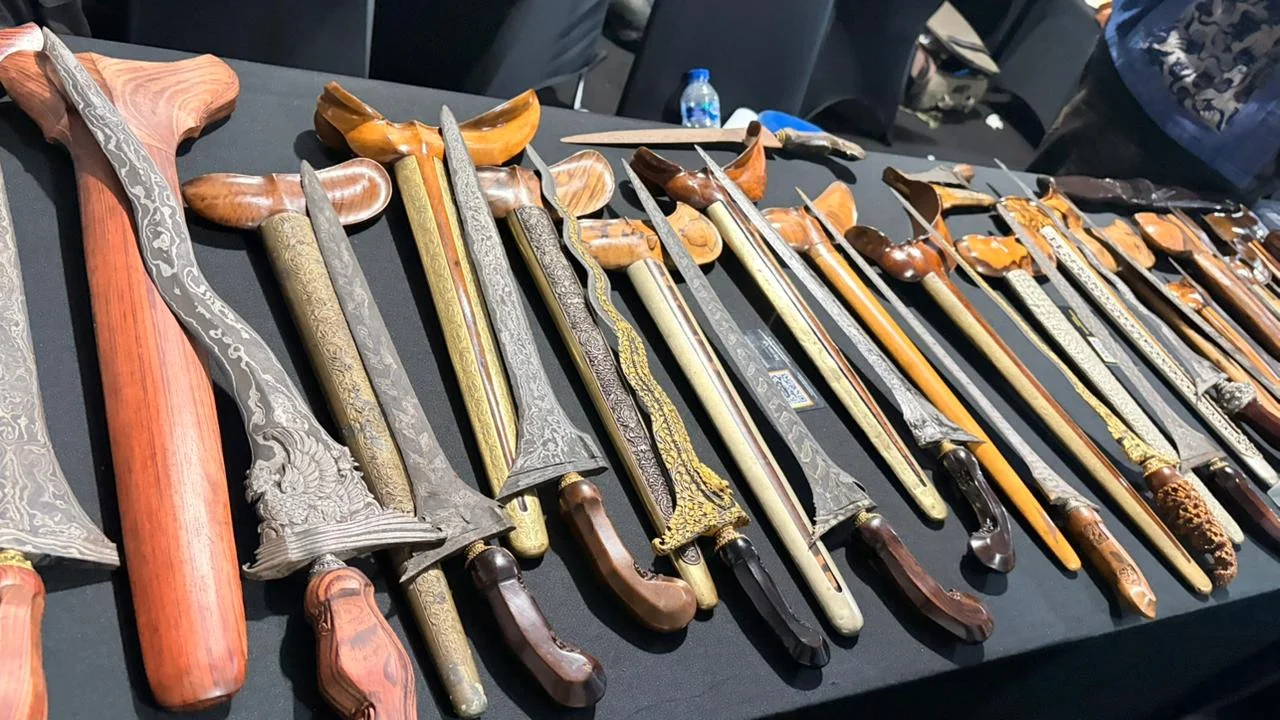
RRI.CO.ID, Jakarta - Indonesia is intensifying efforts to preserve and promote the keris, a traditional dagger recognized by UNESCO as an Intangible Cultural Heritage of Humanity, through cultural literacy and international cooperation. The Indonesia’s Minister of Culture, Fadli Zon, made the statement during the National Keris Day celebration in Jakarta on Saturday, May 23, 2026.
He said the recognition by UNESCO has raised the global awareness of the keris as one of Indonesia’s most important cultural expressions. According to him, the government is continuing to encourage public engagement with keris traditions through exhibitions, digital applications, and educational programs.
“We now even have an application that can connect traditional Javanese astrology, such as weton and wuku, with the type of keris that may suit a person,” Fadli said. He explained that the innovation was designed to make traditional knowledge more accessible and appealing to younger generations.
The minister also addressed long-standing mystical perceptions surrounding keris culture, saying the artifacts should be understood as part of Indonesia’s historical and spiritual traditions. He noted that keris-making involves craftsmanship, prayer, and symbolic meanings passed down through generations.
“Keris are part of a cultural process and they also carry symbolic energy,” he said. “For example, certain motifs are traditionally associated with hopes for abundant harvests and protection from disaster.”
The Minister further revealed that Indonesia is continuing efforts to repatriate historically significant keris from overseas collections, particularly from the Netherlands. He said the government is conducting provenance research to prove the origins and ownership of the artifacts before they can be returned to Indonesia.
Among the identified collections are keris linked to the Bali and Lombok Puputan wars, as well as weapons associated with historical figures such as Prince Diponegoro and Teuku Umar. “We are working closely with the Dutch government and documenting the origins of these keris carefully,” he stated.
in addition, the Minister added that interest in keris culture among young Indonesians has increased in the digital era, partly because younger people are seeking tangible cultural experiences. He also noted growing international demand for contemporary keris crafted by Indonesian masters, with thousands of pieces reportedly exported each year to neighboring countries, Europe, and other regions.
“Keris are part of our material culture and they can be collected, preserved, and appreciated directly,” Fadli said. “This is why we continue to strengthen literacy and narratives about keris as one of the great cultural achievements of our ancestors.”
News Recomendation
Loading latest news.....