



Fadli Zon: Tea Culture Reinforces Harmony and Indonesia-China Cooperation
- 22 Mei 2026 16:16 WIB
- Voice of Indonesia
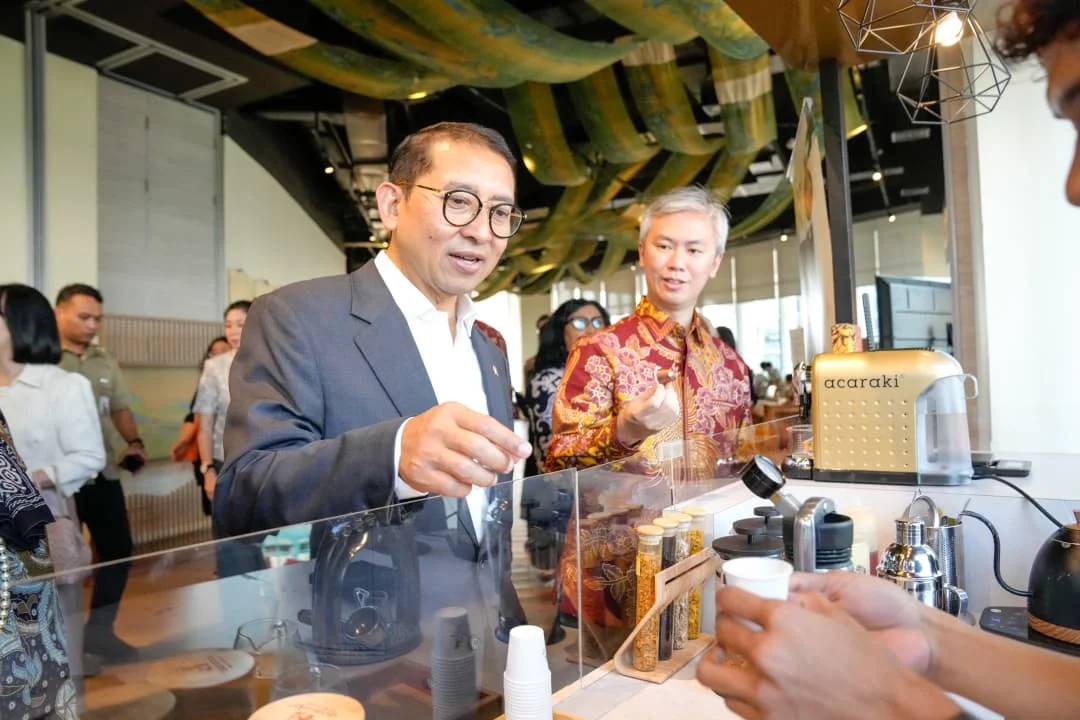
RRI.CO.ID, Jakarta - Indonesian Minister of Culture, Fadli Zon, emphasized that tea culture can serve as a bridge between civilizations while strengthening harmony and cultural cooperation between Indonesia and China. He conveyed the statement while attending the International Tea Day celebration themed “Tea for Harmony, Shared Beauty,” organized by the Embassy of the People’s Republic of China at the Discovery SCBD Hotel in Jakarta on Thursday, May 21, 2026.
According to him, the cultural event served as a platform for cultural diplomacy that brought together traditions, arts, and the spirit of friendship among nations through tea culture. He also expressed appreciation to the Embassy of the People’s Republic of China for organizing the event, which he said could strengthen cultural exchange and closer ties between the peoples of both countries.
“Tea, though simple yet meaningful, can become a bridge between civilizations. Culture has the power to build peace, strengthen international cooperation, and create a space for respectful dialogue,” Fadli Zon said.
According to him, tea, which originated from China, has now developed into a universal cultural language that transcends national borders, generations, and social backgrounds. Fadli said the theme “Tea for Harmony” serves as a reminder that diversity should be viewed as a strength to strengthen shared humanity.
He also praised China’s success in inscribing “Traditional Chinese Tea Processing Techniques and Associated Social Practices” on UNESCO’s Intangible Cultural Heritage List in 2022 as a form of commitment to preserving living cultural heritage.
Furthermore, Fadli noted that Indonesia also has a rich tea tradition as part of the long history of the archipelago as one of the world’s important tea-producing regions.
According to him, Indonesia’s tea culture continues to evolve, ranging from traditional practices in various regions to tea-drinking culture that is now increasingly embraced by younger generations.
On the occasion, Fadli also highlighted Indonesia’s position as a mega-diverse country in the cultural field, with 16 intangible cultural heritage elements inscribed by UNESCO, including wayang, batik, jamu, angklung, and saman dance. He explained that cultural relations between Indonesia and China have existed for centuries through trade routes, migration, and cultural exchanges that have influenced the development of arts and traditions in Indonesia.
According to him, such influences can be seen in coastal batik motifs, the development of wayang kulit, and artistic similarities between Peking Opera and Indonesia’s traditional performances.
In addition, Indonesia’s jamu tradition is also considered to share similarities with Chinese tea and traditional medicine traditions because both are rooted in herbal knowledge, preventive healthcare, and community-based practices. He stressed that Indonesia welcomes stronger cultural cooperation with China through collaborations in arts, cultural heritage preservation, museums, creative industries, education, and youth exchanges.
News Recomendation
Loading latest news.....