



Contemporary Wayang, Reviving Tradition Through Waste and Imagination
- 21 Apr 2026 10:57 WIB
- Voice of Indonesia
Key Points
- Galeri Kahangnan is dismantling the idea that wayang is too complex or exclusive for the younger generation by hosting Contemporary Wayang workshops.
- To eliminate financial and technical barriers, participants use recycled and natural materials such as cardboard waste, plastic, grass, roots, and cassava stalks.
- The workshops prioritize imagination over strict rules (pakem); naive or disproportionate figures are embraced as unique artistic expressions rather than errors.
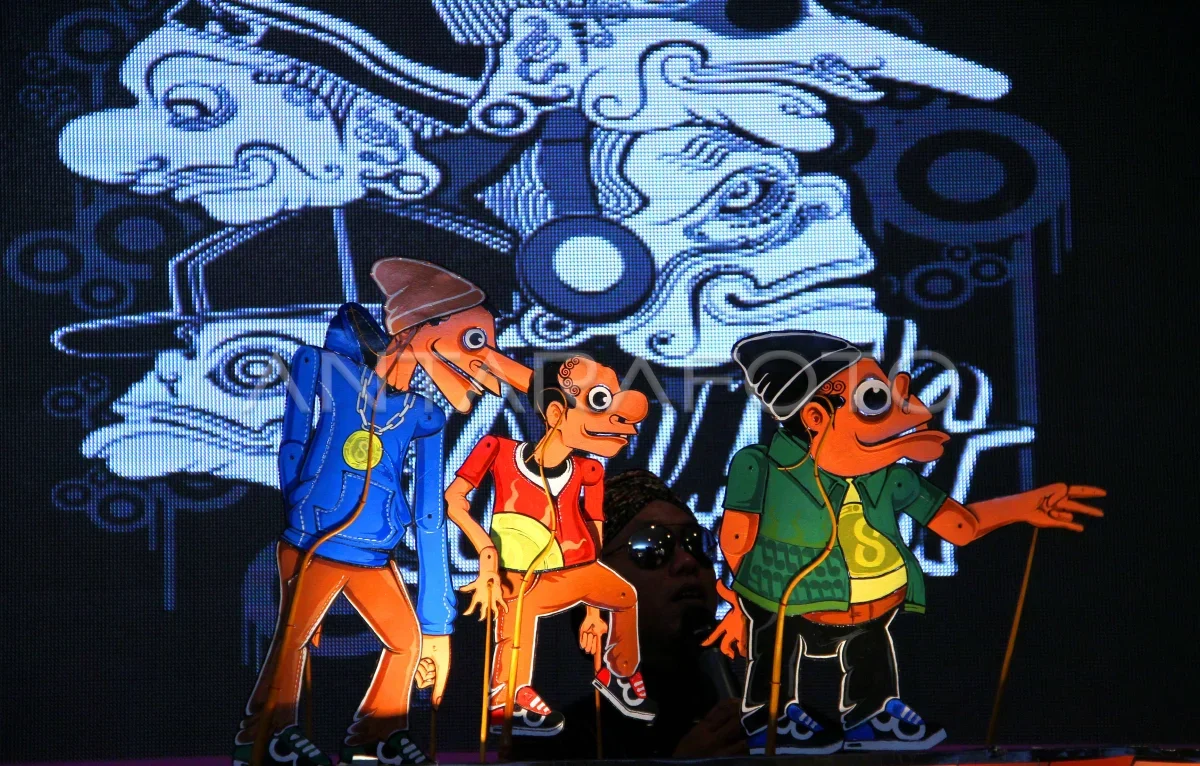
RRI.CO.ID, Yogyakarta - Traditional wayang (shadow puppetry) is often perceived by the younger generation as complex, rigid, and exclusive due to its strict rules and expensive materials. However, Galeri Kahangnan in Bantul Regency, Yogyakarta, is challenging this perception through its Contemporary Wayang workshops, which liberate participants' imaginations by utilizing simple, everyday materials.
Hangno Hartono, the visionary behind Contemporary Wayang, explained that the primary goal of these workshops is to reintroduce the essence of puppetry to the wider public, especially children.
For him, cultural preservation does not always require strict adherence to original forms. Rather, it is about keeping the underlying philosophical values alive.
"This is essentially a bridge for the public to appreciate classic wayang. Our goal is to embed the memory of wayang so that the traditional art form does not vanish in the wave of modernity, even if the forms themselves are modified," said Hangno on Tuesday, April 21, 2026.
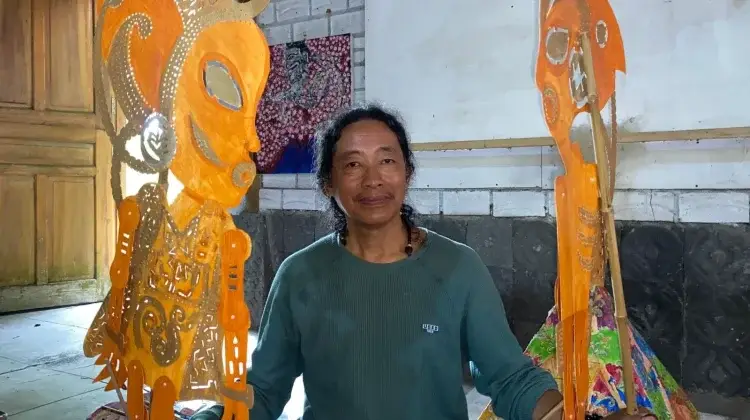
To ensure that anyone can create art without financial or technical barriers, the initiative uses familiar, everyday mediums. Participants are invited to create using cardboard waste, plastic, and natural materials such as grass, roots, and cassava leaf stalks.
The production process is designed for practicality. While crafting a classic leather wayang kulit requires at least 20 different chiseling tools, contemporary wayang only necessitates three or four simple tools, such as scissors, cutters, or soldering irons for plastic mediums.
Creative freedom is the primary appeal of this contemporary approach. Participants are freed from the fear of making wrong or disproportionate shapes. On the contrary, naive and unconventional figures are seen as having their own unique artistic value.
The narratives are equally flexible, addressing modern issues ranging from environmental degradation and children's rights to politics and imaginative characters like aliens or fables.
"When issues like violence or environmental damage are conveyed purely verbally, they can be difficult to grasp. But when narrated through wayang—blending humor, mythology, and social criticism—the message resonates more deeply," he remarked.
The management team also finds this fluid narrative approach effective for voicing social inclusion themes, particularly for the disability community.
Beyond artistic preservation, the movement serves as a tactical educational tool to detach children from their screens. By cutting, drawing, and assembling puppets, children’s motor skills and imaginations are actively stimulated.
Looking ahead, Galeri Kahangnan, which is located in Guwosari, Pajangan, Bantul, hopes that wayang will evolve from being a mere stage display into a creative routine that anyone can enjoy anywhere.
With a spirit of creative liberty, they aim to ensure that the word and memory of 'wayang,' along with its profound values, remain permanently etched in the Indonesian consciousness. (Annaila Azzahra/Bambang MBKA)
News Recomendation
Loading latest news.....