



Cingkrik S3 Martial Art has Agile, Quick, and Flexible Moves
- 17 Apr 2026 16:44 WIB
- Voice of Indonesia
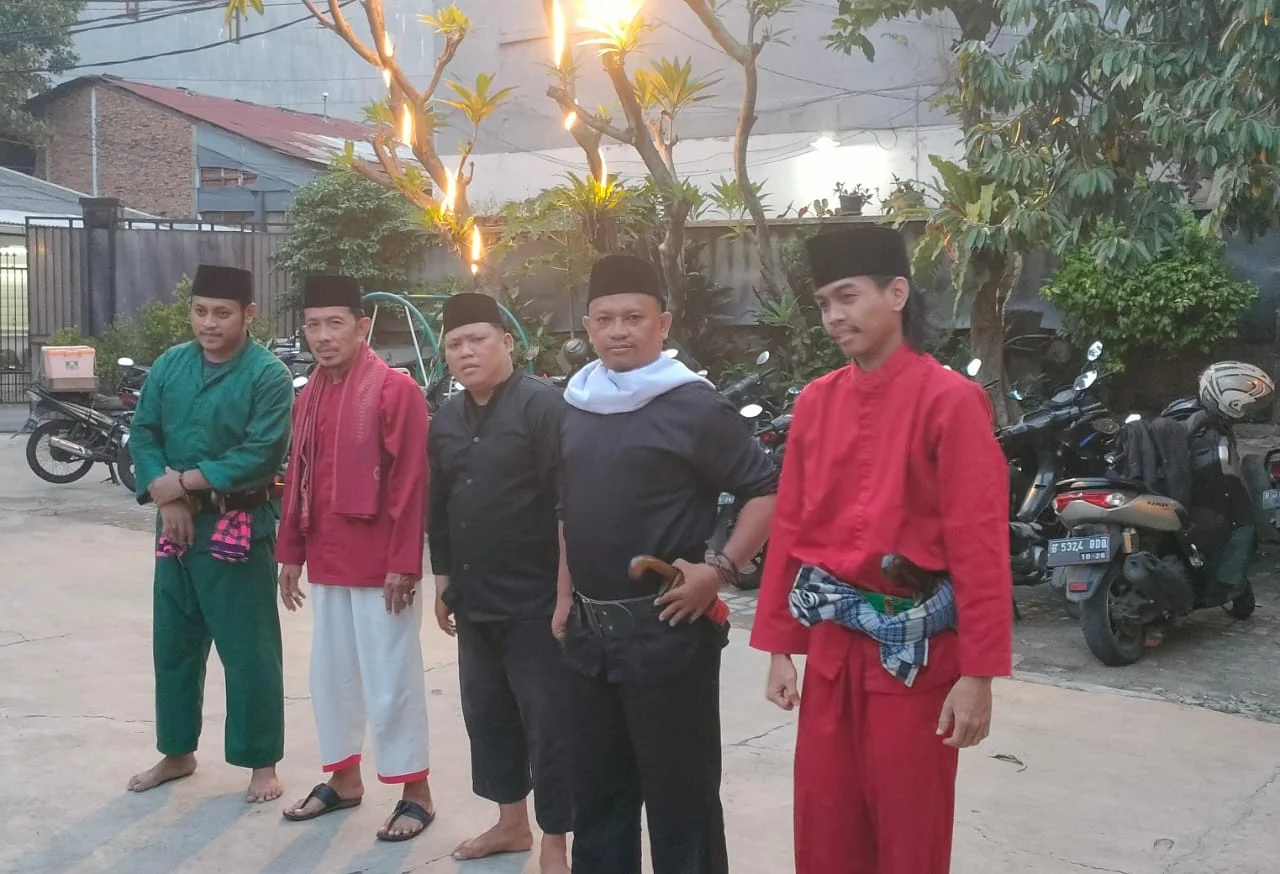
RRI.CO.ID, Jakarta – For many people in Jakarta and its surrounding areas, the name Rawa Belong is already familiar. When people mention it, what usually comes to mind is an area filled with flower traders.
Besides being known as a flower market, Rawa Belong is also recognized as a place with many “Jawara” (martial art warriors). In this area, one of the traditions deeply rooted in Betawi customs has grown namely Pencak Silat (Martial Art).
Administratively, Rawa Belong is located in the Pal Merah sub-district, West Jakarta, Jakarta Province Administration.
Cingkrik is one of the traditional martial arts of Betawi, especially in Rawa Belong, and has been popular for decades. It originated in the early 20th century and developed in Kampung Rawa Belong, introduced by Kong Maing. He learned its movements by observing monkeys. “Cingkrik” refers to movements that are agile, quick, and flexible.
Ki Maing had three main students: Ki Saari, Ki Ajid, and Ki Ali. Through these students, Silat Cingkrik spread from Rawa Belong to other parts of Jakarta via subsequent generations of disciples.
Cingkrik S3 is one of the variants of Cingkrik Silat that has long developed within Betawi society. Through regular training, cultural performances, and educational activities, instructors strive to preserve this cultural heritage, so it remains alive and widely recognized.
The traditional Betawi martial art, Cingkrik S3, continues to demonstrate its existence amid modern developments. Known for its agile movements and distinctive techniques, this martial art is increasingly attracting people from various age groups, from children to adults.
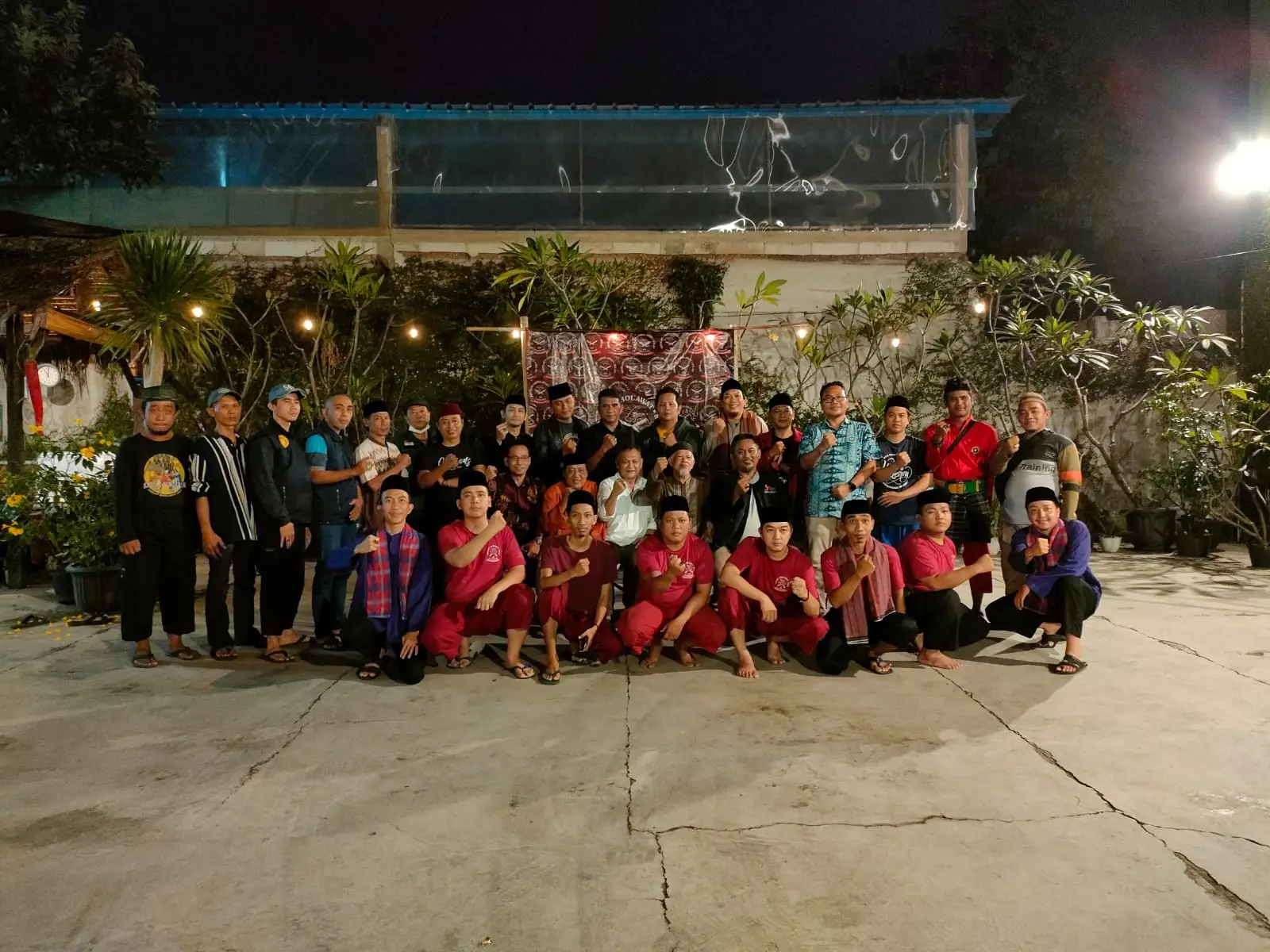
The presence of Cingkrik S3 is not limited to sport or self-defense; it also serves as a medium for instilling values such as discipline, brotherhood, and cultural preservation. Martial artists not only learn fighting techniques, but also the history and philosophy behind the art.
Time by time, people’s interest in Cingkrik S3 has continued to grow. Many communities and schools actively organize training sessions and perform at various cultural events. This proves that traditional martial arts still hold a place in people’s hearts.
The Grand Master of Cingkrik S3, Abdi Manaf, when interviewed by RRI VOI in Rawa Belong, West Jakarta, expressed hope that younger generations will continue this tradition so that Cingkrik S3 remains preserved. With support from the community and various parties, this distinctive Betawi martial art is expected to keep growing and be recognized by future generations.
He expressed pride in seeing the enthusiasm of the community, especially children and teenagers, who diligently practice traditional Silat. “Children must be introduced to Silat. They need to know their traditions and culture. Today, martial artists face challenges not only in physical strength but also in intellectual ability,” he said.
His calm yet firm attitude makes Abdi Manaf admired and respected by his students, even by those who have just met him. He is Polite and friendly, even he is always willing to share his knowledge of Silat.
Affectionately known as Bang Manaf, he explained that there are 12 basic techniques (Bongbang) in Cingkrik S3: Keset Bacok, Keset Gedor, Cingkrik, Langkah Tiga, Langkah Empat, Buka Satu, Saup, Macam, Tiktuk, Singa, Lokbe, and Longok.
Abdi Manaf also explained that Cingkrik S3 was established in 1990s. It carries a deep life philosophy: Sholat (prayer), Sholawat (Praises to the Prophet), and Silat (Martial arts).
News Recomendation
Loading latest news.....