



The Giant Lopis of Krapyak: A Sticky Symbol of Unity in Pekalongan
- 27 Mar 2026 10:11 WIB
- Voice of Indonesia
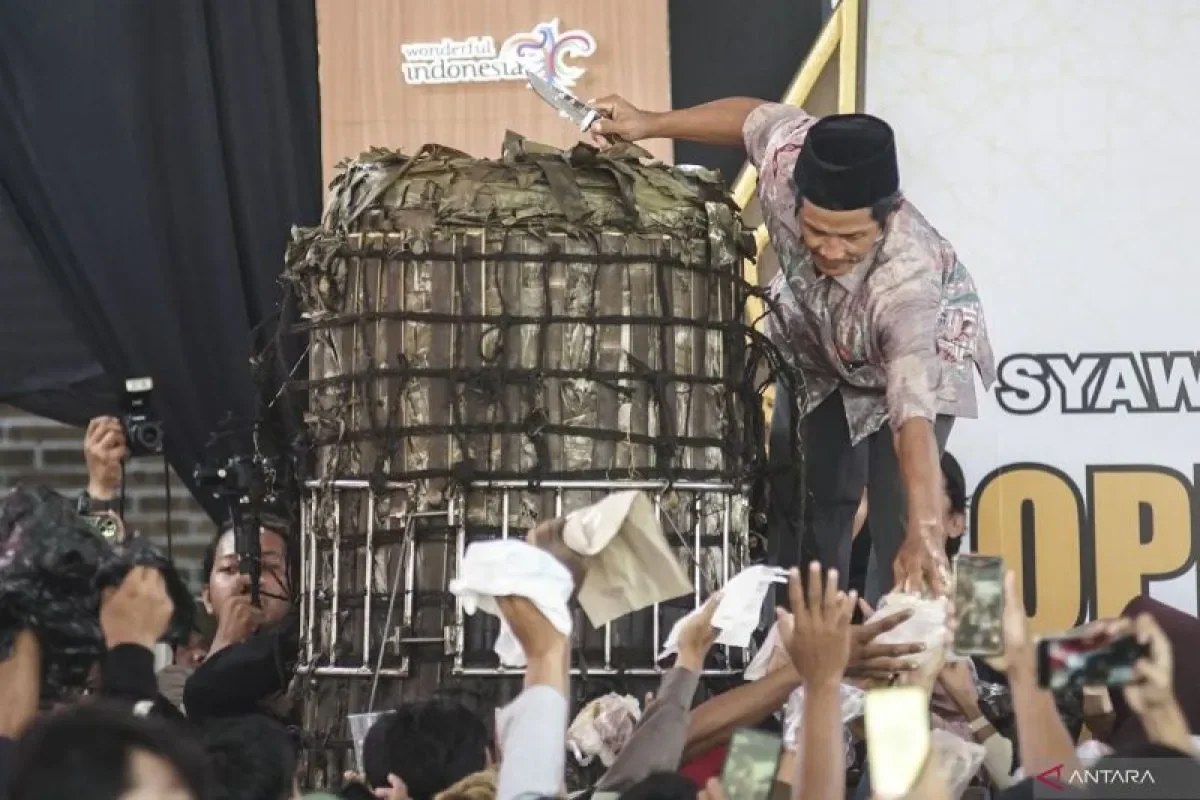
RRI.CO.ID, Pekalongan - In the historic coastal city of Pekalongan, Central Java, the end of the Eid al-Fitr holidays is marked not by a quiet return to work, but by a towering culinary tradition. The annual Giant Lopis Festival returned to the Krapyak Kidul neighborhood on Friday, March 27, 2026, as the centerpiece of the Syawalan week festivities.
While the first two days of Eid are celebrated with family, the residents of Pekalongan wait for the eighth day of Syawal, falling this year on Saturday, March 28, to partake in the "Lopis Raksasa" ritual. This tradition, which has survived for over a century, centers on a massive sticky rice cake that weighs over 500 kilograms (five quintals).
Creating a lopis of this magnitude is a monumental task that began on Monday morning. According to Iwan Kurniawan, the festival's spokesperson, the process requires 72 hours of continuous work.
"Production started Monday taking about three full days or 3 x 24 hours," he explained, as quoted by Antara.
The rice is steamed, packed into a giant cylindrical mold, and boiled for nearly an entire day. This grueling process is seen as a reflection of the patience and perseverance valued by the coastal community.
Beyond its impressive size, the lopis is rich in Javanese and Islamic symbolism, with every element of its composition carrying a specific spiritual meaning.
The core ingredient, sticky rice, is chosen for its adhesive texture, which represents kraket (closeness) and the enduring strength of brotherhood within the community. Its natural white color serves as a powerful symbol of purity, reflecting the state of being "fitr" or spiritually cleansed following the holy month of Ramadan.
The banana leaf wrap is equally significant, representing Islamic values and prosperity, weavers must carefully select leaves that are neither too old nor too young to ensure the perfect flavor and protection. Finally, the dried fiber bindings made from banana midribs create strong, visible ties that symbolize the human commitment to maintaining social bonds, or silaturahmi, which is the heartbeat of the Syawalan tradition.
The tradition was pioneered by KH Abdullah Sirodj, a local cleric and descendant of the Mataram nobility. He encouraged the community to observe the six days of voluntary fasting in Syawal after Eid.
To honor those fasting, the major social celebrations were delayed until the eighth day, eventually evolving into the vibrant Syawalan festival seen today. Pekalongan Mayor Afzan Arslan Djunaid emphasized that the festival is a cultural asset that should be celebrated for its social benefits rather than misinterpreted through a mystical lens.
"The lopis tradition is actually a cultural heritage that brings blessings and happiness," he noted, adding that the event is a key driver for local tourism.
As the "Final Phase" of Lebaran approaches tomorrow, the aroma of steamed sticky rice and grated coconut has already filled the alleys of Krapyak, signaling that for this community, the best of the holiday is saved for last. ***
News Recomendation
Loading latest news.....