



Badawang, Giant Puppet Art Pride of Sundanese People
- 20 Mei 2026 09:48 WIB
- Voice of Indonesia
Key Points
- Badawang remains a powerful symbol of Sundanese cultural identity in West Java.
- Once rooted in agrarian spiritual rituals, Badawang has evolved into popular public entertainment at festivals and parades.
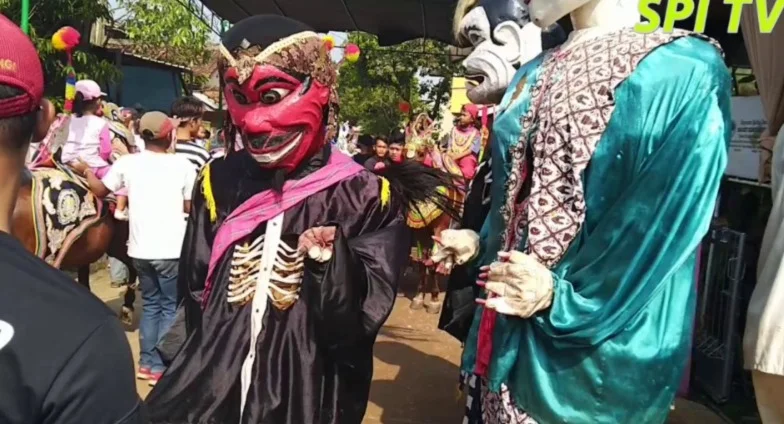
RRI.CO.ID, Bandung - Amid the modern entertainment landscape that continues to sweep through major urban centers, the traditional Sundanese art of Badawang persists as a striking visual cornerstone of cultural identity, drawing massive crowds with its towering, animated puppet performances.
Often compared to Jakarta's Ondel-ondel or Bali's Ogoh-ogoh, Badawang is a traditional folk performance featuring colossal human-shaped puppets. Constructed from lightweight yet sturdy bamboo frames, each giant structure is maneuvered by a single skilled dancer who steps inside the body to bring the character to life with dynamic movements.
Historically rooted in ancient agrarian rituals, the presence of Badawang in West Java is deeply tied to old traditions of crop protection and spiritual reverence. In a bygone era, these giant figures were mobilized as sacred tools to ward off misfortune or to pay homage to Dewi Sri, the goddess of rice, during harvest season.
The facial expressions of the puppets, frequently rendered with striking, humorous, or mildly frightening features, were originally intended to scare away evil spirits that threatened local agricultural yields. Over the generations, however, this deeply ritualistic function successfully transitioned into pure, accessible public entertainment.
Today, the repertoire of Badawang characters draws heavily from traditional comedy and folklore. Performances usually showcase the beloved, witty characters of the Punakawan (clown servants) family, including Semar, Cepot, Dawala, and Gareng, alongside comical interpretations of mythological giants.
When a performance commences, these oversized figures sway and gyrate through the streets, breaking into funny acts that reliably evoke laughter from the gathering crowds.
The festive atmosphere of a Badawang showcase is amplified by lively traditional musical accompaniments, such as kendang pencak (martial arts drums) or dogdog lojor (elongated wooden drums). The upbeat rhythms routinely captivate audiences of all generations, making the art form a staple at regional events.
In contemporary West Java, Badawang has evolved into an essential feature of major cultural celebrations. The giant puppets are central fixtures in helaran (cultural parades), Independence Day festivities, circumcision ceremonies, and regional tourism expos. The sight of these massive structures weaving through city streets continues to foster a unified community spirit, turning standard public gatherings into lively folk festivals.
The continued survival of Badawang in the modern era relies entirely on the unwavering commitment of local artists and Sundanese indigenous communities. Ongoing efforts to pass down the craft to younger generations ensure that the identity of the Sundanese people, characterized by warmth, creativity, and a profound respect for ancestral legacies, remains visibly vibrant. (Naura Sofia/EN)
News Recomendation
Loading latest news.....